
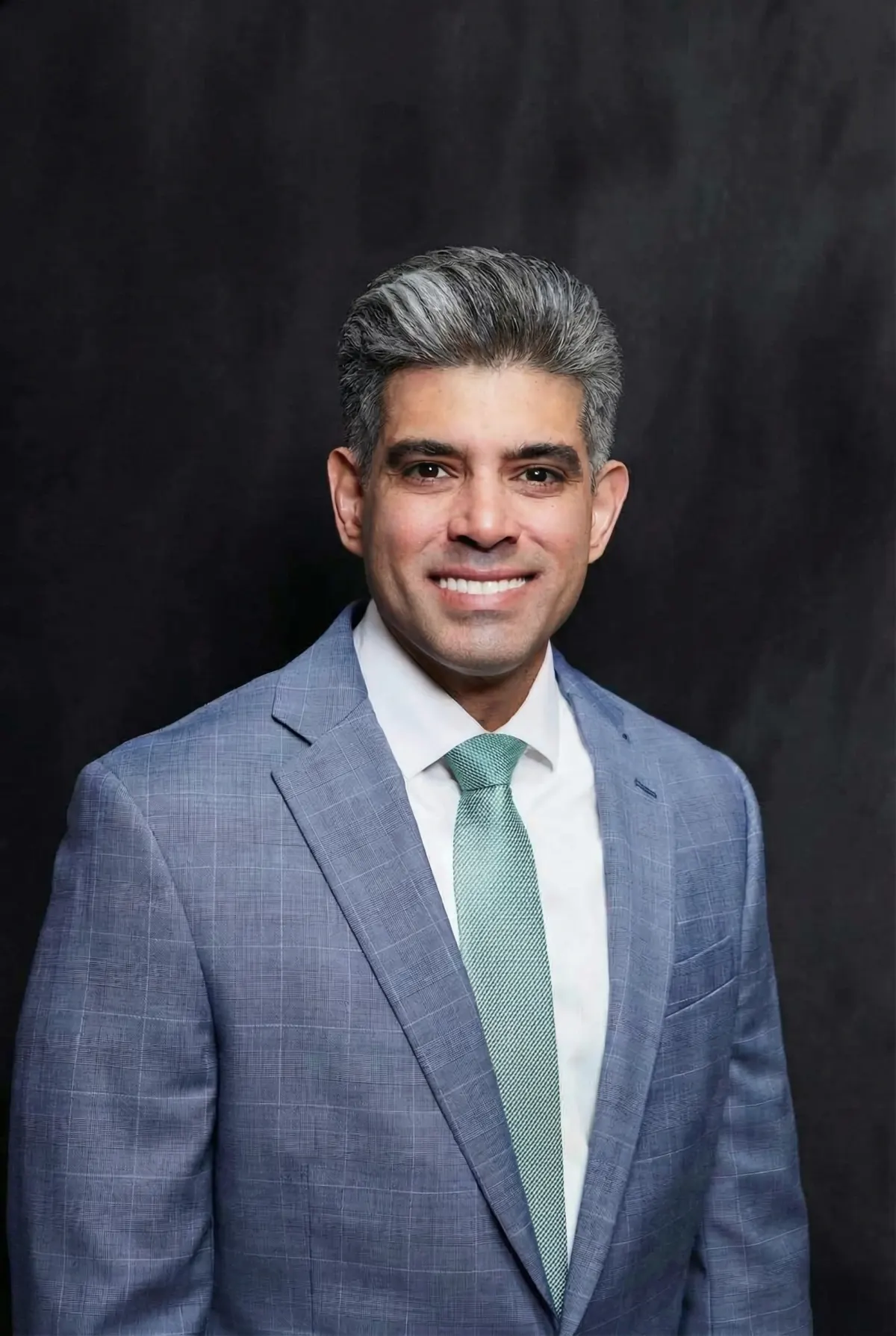
Legally reviewed by Tonmiel Rodriguez, Board Certified Criminal Trial Lawyer — last reviewed June 2026.
Convicted in Florida? Rule 3.850 Relief May Be Available.
Board Certified in Criminal Trial Law by The Florida Bar · Reach Us 24/7 · Hablamos Español
Florida Rule of Criminal Procedure 3.850 is the primary vehicle for challenging a conviction or sentence on grounds that cannot be raised on direct appeal. The most common ground is ineffective assistance of counsel (IAC) — the failure of your trial attorney to provide the constitutionally adequate representation the Sixth Amendment guarantees. The two-year deadline runs from when the conviction becomes final, and courts enforce it strictly. For a full overview of Florida post-conviction options, see our Appeals & Post-Conviction hub page.
What Claims Can Be Raised in a Florida Rule 3.850 Motion?
Rule 3.850 is available to challenge a conviction or sentence when: (1) the conviction was obtained in violation of the U.S. or Florida Constitution; (2) the court lacked jurisdiction; (3) the sentence was excessive or unauthorized; (4) the judgment is susceptible to collateral attack for any other reason; or (5) the defendant has newly discovered evidence that would probably produce an acquittal. Rule 3.850 expressly does not allow claims that were or should have been raised on direct appeal, unless the failure was itself the result of IAC of appellate counsel (raised through a separate habeas petition).
What Is the Strickland Standard for IAC in Florida?
The governing standard from Strickland v. Washington, 466 U.S. 668 (1984) requires proving both prongs. Deficiency: counsel’s specific conduct or omission fell below an objective standard of reasonableness — no competent attorney would have made the same choice. Courts apply a strong presumption of competence that must be rebutted with specific evidence. Prejudice: a reasonable probability that, but for counsel’s deficient performance, the result of the proceeding would have been different. In the plea context, prejudice means a reasonable probability the defendant would have rejected the plea and proceeded to trial, or would have accepted a different, more favorable offer.
What Are the Most Common IAC Claims I Raise in Florida 3.850 Proceedings?
Failure to investigate. Counsel has a constitutional duty to conduct a reasonable investigation. Counsel may fail to interview an alibi witness, skip exculpatory evidence already in the file, or decline to retain an expert when one is needed. Each can constitute IAC when the missing investigation would have produced evidence material to the outcome.
Missed suppression motion. When a search or seizure violated the Fourth Amendment and counsel failed to file a motion to suppress, that failure is IAC when the suppressed evidence was central to the conviction and suppression would have changed the outcome.
Failure to advise on plea consequences. Under Padilla v. Kentucky, 559 U.S. 356 (2010), counsel must advise noncitizen clients of deportation consequences of a plea. Failure to do so — or to advise accurately on other significant collateral consequences — is IAC. Florida has significant noncitizen populations in Polk, Highlands, Hardee, Osceola, and Hillsborough Counties, and immigration-based IAC claims are common in my practice.
Unconveyed plea offers. Under Missouri v. Frye, 566 U.S. 134 (2012), counsel must communicate all plea offers to the client. If a more favorable offer was extended by the state and counsel failed to relay it accurately, that failure can constitute IAC.
Ineffective cross-examination. Failure to cross-examine key prosecution witnesses on available impeachment material — when that material was critical to the verdict — is a common and often compelling IAC claim.
How Is an Evidentiary Hearing Conducted in a Rule 3.850 Case?
If the trial court determines the motion raises a facially sufficient claim not refuted by the record, it orders the state to respond and schedules an evidentiary hearing. Both sides present witnesses and evidence. The defendant typically testifies. Trial counsel — the subject of the IAC claim — often testifies as a state witness about their strategic choices. The defendant bears the burden of proof.
Cross-examination of trial counsel is the central event in most 3.850 evidentiary hearings. The goal is to establish, through the attorney’s own testimony and records, what they did and did not do — and why the choices made were constitutionally unreasonable. I review trial counsel’s complete file before the hearing and build the cross-examination around the specific failures documented in that file.
If the trial court denies the motion after an evidentiary hearing, the denial is appealable to the Second DCA on the evidentiary record made at the hearing. Legal conclusions are reviewed de novo; factual findings for competent substantial evidence.
How Does Rule 3.850 Differ from a Direct Appeal?
The direct appeal is limited to trial record errors and must be filed within 30 days of sentencing. Rule 3.850 addresses out-of-record claims and has a two-year deadline. The two are complementary: the direct appeal preserves record-based errors; the 3.850 raises IAC and other out-of-record claims. Filing both when applicable maximizes relief opportunities and ensures no available avenue is foreclosed by procedural default.
IAC cannot generally be raised on direct appeal in Florida. The rule 3.850 two-year window is the designated vehicle, and I recommend beginning the investigation for potential 3.850 claims while the direct appeal is still pending — so that the filing can be made promptly when the conviction becomes final after the appellate mandate issues.
Rule 3.850 — Don’t Let the Two-Year Deadline Pass
Board Certified · Reach Us 24/7 · Hablamos Español
What Is Newly Discovered Evidence Under Florida Rule 3.850?
Florida courts apply the Jones v. State, 709 So. 2d 512 (Fla. 1998) two-part test to newly discovered evidence claims in Rule 3.850 proceedings. First, the evidence must have been unknown to the defendant or defense counsel at the time of trial and could not have been discovered through due diligence. Second, the evidence must be material — not merely cumulative or impeaching — and of sufficient weight that there is a probability it would produce an acquittal at a new trial. Both prongs are required. Courts scrutinize the due diligence prong carefully: evidence that was available and discoverable but not found because no investigation was conducted typically fails, with the failure redirected as an IAC claim for failure to investigate rather than a freestanding newly discovered evidence claim.
Newly discovered evidence takes many forms. Recantations by key prosecution witnesses — when credible and supported by independent evidence of the coercion or mistake that produced the original testimony — can satisfy the standard. Scientific evidence newly available since the time of trial, including advances in DNA analysis, ballistics, forensic pathology, and digital forensics, has produced successful post-conviction claims where prior technology was insufficient to develop or analyze evidence that is now determinative. A co-defendant or witness who refused to testify at trial but is now willing to provide exculpatory testimony can also constitute newly discovered evidence when the unavailability at trial was not due to defense failure.
The timeliness rule for newly discovered evidence claims is important. Under Fla. R. Crim. P. 3.850(b)(1), a claim based on newly discovered evidence may be filed beyond the two-year deadline if the facts on which it is based could not have been ascertained through due diligence within the two-year period, and the motion is filed within two years of when those facts were discovered or could have been discovered. Courts enforce both the diligence and the timing requirements strictly. Do not wait once newly discovered evidence comes to light — the two-year window from discovery begins running immediately.
What Are Brady and Giglio Violations in a Rule 3.850 Proceeding?
Brady v. Maryland, 373 U.S. 83 (1963) established that the Due Process Clause requires the prosecution to disclose to the defense all evidence material to guilt or punishment, including exculpatory evidence and evidence that could be used to impeach state witnesses. Giglio v. United States, 405 U.S. 150 (1972) extended this obligation to deals, payments, and benefits provided to government witnesses in exchange for testimony — information the jury is entitled to evaluate when assessing credibility. Both Brady and Giglio violations are cognizable in Rule 3.850 proceedings when the suppressed evidence comes to light after conviction.
Materiality is the critical element. To establish prejudice in a Brady or Giglio claim, the defendant must show that disclosing the suppressed evidence would, with reasonable probability, have undermined confidence in the verdict — more than a showing that it might have affected the jury’s decision. Courts have found materiality where the suppressed evidence would have directly impeached the primary state witness, where exculpatory physical evidence was withheld, or where a witness agreement with the state was never disclosed.
Brady violations that surface post-conviction are among the most compelling grounds for Rule 3.850 relief, because they go directly to the integrity of the proceeding rather than to counsel’s performance. When the state itself violated the defendant’s constitutional rights by withholding material evidence, the case for relief is both legally and equitably strong. I investigate potential Brady claims in every post-conviction matter — reviewing the prosecution’s file, comparing it against what was actually disclosed in discovery, and identifying any evidence that should have been produced but was not.
Can Successive Rule 3.850 Motions Be Filed in Florida?
Florida Rule of Criminal Procedure 3.850(h) limits the filing of successive post-conviction motions. After a first motion has been denied, a second or successive motion raising the same claims is generally barred. However, successive motions raising new claims are permitted when the new claim was not and could not have been raised in the first motion — for example, newly discovered evidence, a new constitutional rule that applies retroactively, or a Brady violation discovered after the first motion was filed.
Courts scrutinize successive motions carefully and will summarily deny any that raise claims that could have been raised in the first motion or that relitigate claims already decided. The procedural bar to successive motions is one more reason the first Rule 3.850 motion must be comprehensive and carefully prepared, raising each ground the record and investigation support with full factual backing. A claim that is omitted from the first motion and not based on newly discovered evidence may be permanently waived, so I build the first motion to capture every supportable claim before that bar attaches.
Frequently Asked Questions
What is a Florida Rule 3.850 motion?
A Rule 3.850 motion under Fla. R. Crim. P. 3.850 is a post-conviction motion filed in the original trial court to challenge a conviction or sentence on grounds requiring evidence outside the record — most commonly IAC, newly discovered evidence, Brady violations, or unconstitutional applications of law.
What is the two-year deadline for a Florida Rule 3.850 motion?
Under Fla. R. Crim. P. 3.850(b), the motion must be filed within two years of the date the judgment and sentence become final. For direct appeal defendants, finality is when the mandate issues from the appellate court. For defendants who did not appeal, finality is 30 days after sentencing.
What is IAC under Strickland for a Florida 3.850 motion?
Under Strickland v. Washington, 466 U.S. 668 (1984), IAC requires proving (1) counsel’s performance was deficient — below an objective standard of reasonableness — and (2) the deficiency prejudiced the defendant — creating a reasonable probability of a different outcome. Both prongs must be proven.
Can a Rule 3.850 motion be filed after a guilty or no-contest plea?
Yes. Common grounds after a plea include: IAC in advising on plea consequences, including immigration consequences under Padilla v. Kentucky; the plea not being knowing and voluntary; newly discovered evidence; and Brady material withheld that was material to the decision to plead.
What happens after a Rule 3.850 motion is filed in Florida?
The trial court must summarily deny or order the state to respond. If the motion raises a facially sufficient claim, the court must grant relief or hold an evidentiary hearing. At the hearing both sides present evidence. Denial is appealable to the DCA.
What is the difference between a Rule 3.850 and a Rule 3.800 motion?
A Rule 3.850 motion challenges the conviction or sentence based on constitutional or procedural errors including IAC. A Rule 3.800(a) motion challenges an illegal sentence — one that exceeds the statutory maximum or was otherwise unauthorized by law — and can be filed at any time.
Florida Rule 3.850 Defense — Board Certified
Board Certified · Reach Us 24/7 · Hablamos Español