
Explore Professional License Defense Topics
Click any topic below to learn about specific charges, penalties, and defense strategies.
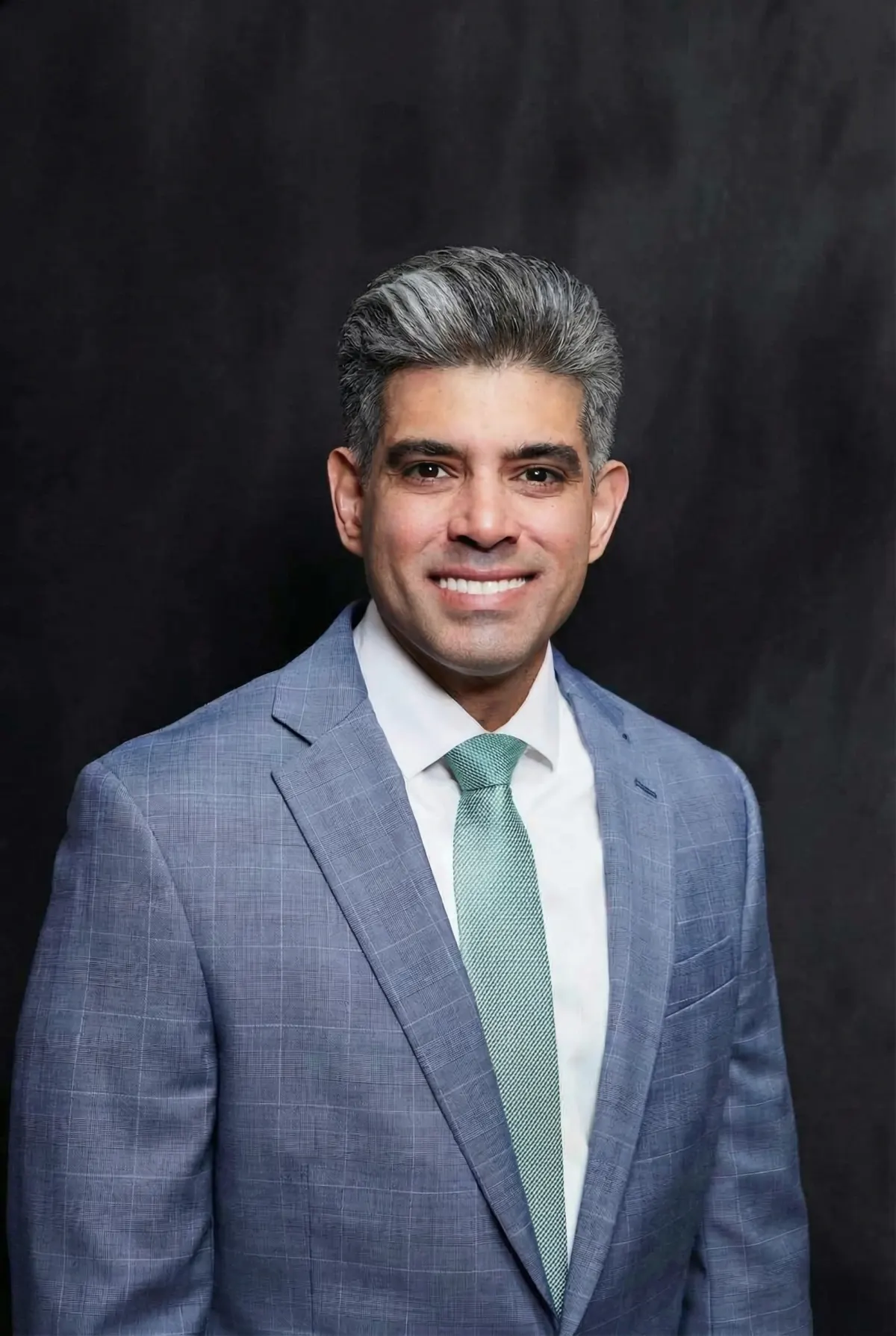
Legally reviewed by Tonmiel Rodriguez, Board Certified Criminal Trial Lawyer — last reviewed June 2026.
Professional License Defense After Criminal Charges — Florida
You spent years earning your license. You passed the boards, completed the training, built a practice, a career, a livelihood. Now you have been arrested. The criminal charge is serious enough on its own, but you face two cases at once: the criminal charge and a separate licensing proceeding that can end your career. Your license is on the line. Your ability to work in your field, support your family, and maintain the professional identity you’ve spent a decade building is at risk in a process that runs parallel to the criminal case and operates under its own rules.
Florida licenses thousands of professionals in fields ranging from nursing to teaching to commercial driving. Every one of those fields has its own licensing board, reporting rules, and disciplinary standards, and its own consequences when a licensee is arrested. Most criminal defense attorneys understand the criminal side of these cases. Fewer understand how the criminal outcome feeds directly into the licensing proceeding — and how the decisions made in the criminal case can either protect or destroy a professional license.
I am a Board Certified Criminal Trial Lawyer handling criminal cases in the 10th Judicial Circuit — Polk, Highlands, and Hardee Counties. When my clients are licensed professionals, the criminal defense strategy is built with the licensing consequences in view from the first consultation. Call (863) 774-4556 for a free consultation.
The Two-Track Problem — Criminal Case and Licensing Proceeding
When a licensed professional is arrested in Florida, two separate legal processes begin — often simultaneously:
- The criminal case — in circuit or county court, prosecuted by the State Attorney’s Office, governed by the Florida Rules of Criminal Procedure. This is where guilt or innocence is determined and sentence is imposed.
- The licensing proceeding — before the relevant professional board (Board of Nursing, Board of Medicine, DBPR, Florida Department of Education, DHSMV), governed by Chapter 120 of the Florida Administrative Procedure Act and the specific licensing statute for the profession.
These proceedings are not coordinated. The licensing board does not wait for the criminal case to conclude before acting. In many cases, the board opens an investigation the moment it learns of the arrest — through news coverage, fingerprint match, or the licensee’s own required report. An emergency suspension can be imposed within days if the board determines the licensee poses an immediate threat to public safety.
Critically, what happens in the criminal case directly shapes what happens in the licensing proceeding. A conviction — or even a plea of guilty or no contest — is typically treated as conclusive by the licensing board. The board does not relitigate the facts; it proceeds directly to the question of what discipline is appropriate. If the criminal case is dismissed or results in an acquittal, the licensing proceeding does not automatically end, but the board’s burden becomes harder to meet.
Reporting Obligations — What You Must Do and When
One of the most dangerous mistakes licensed professionals make after an arrest is assuming they do not need to do anything until the case is resolved. Florida law requires self-reporting of arrests and criminal charges in many licensed professions — and the obligation typically attaches at arrest, not at conviction.
Common Reporting Requirements by Profession
- Healthcare workers (nurses, doctors, dentists, pharmacists, therapists): Reporting obligations under Chapters 456, 464, 458, and 461, Florida Statutes. Many health professions must report arrests to their board within 30 days.
- Teachers and educators: Under § 1012.795, Fla. Stat., educators must self-report certain arrests to the Education Practices Commission within 48 hours.
- Attorneys: Florida Bar Rule 3-7.2 requires attorneys to report criminal convictions but not arrests; however, some charges trigger other obligations.
- Contractors and real estate licensees: DBPR-regulated professions have varying reporting requirements under the applicable practice acts.
- CDL holders: Under § 322.61, Fla. Stat. and federal regulations, motor vehicle disqualification events must be reported to employers.
Failure to report when required is a separate violation that can be treated as more serious than the underlying charge. Boards interpret non-disclosure as evidence of lack of fitness. If you are required to report and don’t — and the board finds out through other means — the cover-up becomes the bigger problem.
DBPR and DOH — How Florida Regulates Licensed Professionals
Most licensed professionals in Florida fall under one of two agencies:
Department of Health (DOH)
The DOH, through its various professional boards, regulates healthcare workers: physicians (Board of Medicine, § 458), nurses (Board of Nursing, § 464), dentists (§ 466), pharmacists (§ 465), and many others. Criminal conduct is a ground for discipline under § 456.072(1)(c), Fla. Stat., which provides that being convicted of a crime relating to the practice of the profession or that reflects on the ability to practice with the required skill or safety is a disciplinary offense.
Department of Business and Professional Regulation (DBPR)
The DBPR regulates real estate professionals, contractors, architects, cosmetologists, and numerous other licensed trades. The DBPR investigates complaints from the public and triggers investigations based on criminal records flagged through background screening systems. Each professional board under DBPR has its own disciplinary guidelines under Chapter 455, Florida Statutes.
Background Screening — Chapter 435 and Its Consequences
Florida’s background screening statute, Chapter 435, applies to many professions and positions that involve access to vulnerable populations — children, the elderly, persons with disabilities. Level 2 screening under § 435.04 is the more rigorous standard and includes fingerprinting, state and national criminal history checks, and review against abuse and neglect registries.
Chapter 435 contains a list of disqualifying offenses — specific crimes that automatically disqualify an individual from working in a screened position. These include felony drug offenses, sexual battery, domestic violence, and many others. A disqualification can be sought through an exemption process, but the exemption is not automatic and requires a formal petition.
For licensed professionals in healthcare and education, Chapter 435 screening is a separate and additional layer of scrutiny beyond the professional board proceeding.
Criminal Defense Strategy with Licensing in View
Every decision in the criminal case carries licensing implications that must be evaluated before the decision is made:
- Plea decisions: Whether to plead guilty, no contest, or take the case to trial. For many professions, a conviction of any kind — even for a minor offense — triggers mandatory reporting and board review. A withheld adjudication helps in some boards, is irrelevant in others. This must be researched for the specific profession before any plea is entered.
- Charge reduction negotiations: A charge reduced to a lesser offense — from a felony to a misdemeanor, from a drug trafficking charge to simple possession — may have dramatically different licensing consequences. The negotiation strategy in the criminal case should account for how different outcomes affect the board.
- Diversion and deferred prosecution: Some diversion programs result in dismissal of charges upon completion. A dismissed charge may trigger less severe board action than a conviction. Whether a diversion program is available and appropriate depends on the charge and the defendant’s history.
- Sealing and expungement: Under §§ 943.0585 and 943.059, Fla. Stat., a criminal record may be sealed or expunged after a case is resolved. However, professional licensing boards often retain the right to inquire about sealed and expunged records — this must be understood before counting on expungement as a licensing solution.
Who This Hub Covers
The following pages address the specific licensing concerns for particular professional categories:
- Healthcare Workers Facing Criminal Charges — Nurses, Doctors & Medical Professionals
- Teachers & Educators Facing Criminal Charges in Florida
- CDL Holders Facing Criminal Charges — Commercial Driver’s License Defense
For broader information on how a conviction affects civil rights, employment, housing, and immigration, see our page on Collateral Consequences of a Florida Conviction.
Related Pages
- Collateral Consequences of a Florida Criminal Conviction
- Immigration Consequences of Criminal Charges
- Sealing and Expungement of Criminal Records
- DUI Defense — Florida
Frequently Asked Questions
Do I have to report a criminal arrest to my professional licensing board in Florida?
It depends on your profession and the specific licensing statute. Many Florida licensed professions require self-reporting of arrests and criminal charges — not just convictions. Failure to report when required is itself a separate violation that can be treated as more serious than the underlying charge.
Can I lose my professional license just from an arrest — before conviction?
Yes, in some professions. Background screening requirements under Chapter 435 can disqualify individuals based on arrest records for certain offenses. Boards may also impose emergency suspension if they determine the licensee poses an immediate threat to public safety — even before conviction.
What is the relationship between the criminal case and the licensing board investigation?
They are parallel proceedings. A conviction is typically treated as conclusive in a licensing proceeding. How you handle the criminal case — including whether and how you plead — directly affects the licensing outcome.
Can a withheld adjudication protect my professional license?
Sometimes, but not always. Many licensing boards treat a plea of guilty or no contest as a conviction for their purposes regardless of adjudication. This varies by profession and must be analyzed for your specific board before accepting any plea.
Do I need a separate attorney for the licensing board and the criminal case?
In many cases, yes. However, coordination between the criminal defense attorney and any administrative law attorney is essential — decisions in the criminal case directly affect the licensing proceeding. Your criminal defense attorney must understand the licensing stakes from the start.
Your Career Is on the Line — Not Just Your Freedom
Licensed professionals facing criminal charges in Polk, Highlands, Hardee, Osceola, and Hillsborough Counties need criminal defense that accounts for licensing consequences from day one.
Board Certified in Criminal Trial Law by The Florida Bar · Reach Us 24/7 · Hablamos Español
Which Florida Professions Are Most Affected by Criminal Charges?
Florida licenses more professionals than almost any other state, and the intersection of criminal law and professional licensing affects an enormous number of people. The professions most commonly at risk in criminal cases handled by the Rodriguez Law Office include: registered nurses and licensed practical nurses (Board of Nursing); physicians, PAs, and ARNPs (Board of Medicine and Board of Osteopathic Medicine); contractors (Construction Industry Licensing Board); real estate agents and brokers (Florida Real Estate Commission); attorneys (The Florida Bar); pharmacists (Board of Pharmacy); social workers and mental health counselors; and educators (Education Practices Commission).
Each of these professions operates under a different statutory scheme with different reporting requirements, different disciplinary standards, and different available outcomes. What constitutes a disqualifying offense for a nurse may be entirely different from what constitutes a disqualifying offense for a contractor. The licensing impact of a DUI on a physician’s DEA registration is entirely different from its impact on a real estate license. Because of this variation, the right defense depends on which board, statute, and standard govern your specific profession.
Self-Reporting Requirements and Deadlines
Many Florida professional licensing statutes require self-reporting of arrests, criminal charges, or convictions within a specific timeframe. These deadlines vary dramatically by profession. Teachers must report within 48 hours of an arrest involving alcohol, controlled substances, or a crime of moral turpitude under § 1012.795(1)(p). Healthcare professionals regulated under Chapter 456 must report within 30 days under § 456.072(1)(x). Attorneys have separate Bar reporting obligations under the Rules Regulating the Florida Bar.
Failure to self-report when required is a separate, additional disciplinary violation that is often treated more seriously than the underlying charge itself. A board that might have been willing to resolve a single DUI with probation and continuing education may impose much harsher discipline on a licensee who concealed the arrest and was discovered when the board received the court’s automatic notification.
The decision of when and how to report, what to say in the report, and how to frame the circumstances requires legal guidance. Reporting something in the wrong way — or too early, before the criminal case has been positioned advantageously — can create problems that a better-timed and better-crafted disclosure would have avoided. Attorney Rodriguez advises professional clients on the reporting timeline and content as part of the overall defense strategy.
Facing Serious Charges? Call Now — Reach Us 24/7
Attorney Tonmiel Rodriguez is a Board Certified Criminal Trial Lawyer with over 75 jury trials. He defends clients throughout the 10th Judicial Circuit — Polk, Highlands, and Hardee Counties. Hablamos Español.
Board Certified · Reach Us 24/7 · Hablamos Español
Coordinating the Criminal Case With the Licensing Proceeding
The criminal case and the licensing proceeding are not independent. How the criminal case is fought, pleaded, or negotiated drives the licensing outcome. A plea of guilty or no contest, even if adjudication is withheld, may be treated as a conviction for licensing purposes by certain boards. A conviction on a qualifying offense under Chapter 435 can trigger mandatory disqualification from working in certain licensed settings.
The goal is to resolve the criminal case in a manner that achieves the best possible outcome in both proceedings. Depending on the case, that can mean fighting the charge to avoid any plea, negotiating to a lesser charge that does not trigger the licensing consequence of the original offense, or timing the resolution of the criminal case to coincide with the filing of a mitigation package with the licensing board.
Attorney Rodriguez works with professional clients to develop an integrated strategy that accounts for the licensing stakes from the beginning, not as an afterthought once the criminal case has been resolved in a way that cannot be undone. The sooner you engage counsel, the more options remain available.
Related practice areas: healthcare workers and criminal charges, teachers and criminal charges, DUI defense, and drug charges in Polk, Highlands, Hardee, Osceola, and Hillsborough Counties.
Don’t Wait — Every Hour Counts After an Arrest
The decisions you make in the first 48 hours after an arrest can shape the entire trajectory of your case. Call Attorney Rodriguez now for a direct, honest assessment. Board Certified. Hablamos Español. Reach Us 24/7.
Board Certified · Reach Us 24/7 · Hablamos Español
Your Defense Starts With One Call
The Rodriguez Law Office handles serious criminal charges throughout Polk, Highlands, Hardee, Osceola, and Hillsborough Counties. Board Certified Criminal Trial Lawyer. 75+ jury trials. Hablamos Español. Reach Us 24/7. Located less than one mile from the Polk County Courthouse.
Board Certified · Reach Us 24/7 · Hablamos Español