
Explore Drug Crime Topics
Click any topic below to learn about specific charges, penalties, and defense strategies.
If you were arrested on a drug charge in Polk County, Florida, you are facing charges under Chapter 893 of the Florida Statutes — the Florida Comprehensive Drug Abuse Prevention and Control Act. Simple possession of most controlled substances is a third-degree felony under § 893.13(6)(a), punishable by up to 5 years in state prison. Drug trafficking under § 893.135 carries mandatory minimum sentences ranging from 3 to 25 years with no judicial discretion. Call (863) 774-4556 immediately.
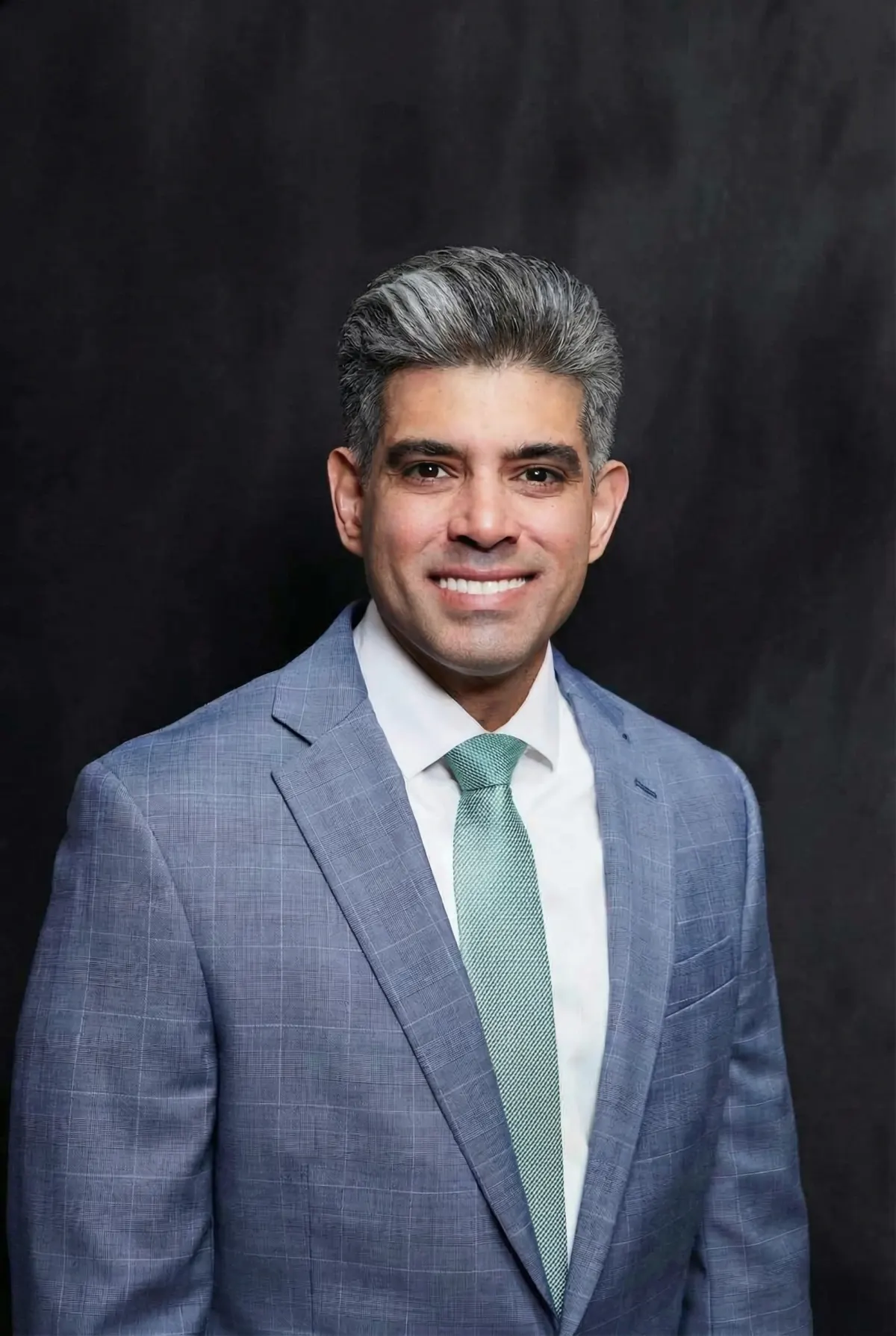
Legally reviewed by Tonmiel Rodriguez, Board Certified Criminal Trial Lawyer — last reviewed June 2026.
Facing Drug Charges in Polk County?
Board Certified in Criminal Trial Law by The Florida Bar · Reach Us 24/7 · Hablamos Español
Why Is Polk County So Aggressive on Drug Charges?
Polk County has one of the most active drug enforcement operations in Florida. The Polk County Sheriff’s Office operates a dedicated Narcotics Unit, and the county hosts the Central Florida Intelligence Exchange (CFIX) — a multi-agency task force coordinating investigations across PCSO, Lakeland PD, Winter Haven PD, Haines City PD, and federal agencies including DEA and FBI. PCSO regularly runs undercover operations, controlled buys, and multi-defendant trafficking sweeps. The State Attorney’s Office for the 10th Judicial Circuit prosecutes these cases hard. I’ve watched hundreds of these cases go through the Bartow courthouse. I know how the SAO builds a drug case, and where those cases tend to break down — the stop, the search, the lab work, and the informant.
What Is Florida’s Drug Scheduling System Under § 893.03?
Under Florida Statute § 893.03, the Florida Comprehensive Drug Abuse Prevention and Control Act classifies every controlled substance into one of five schedules based on its accepted medical use and abuse potential. Where a drug lands on the schedule determines the severity of the charge you face.
| Schedule | Definition | Examples |
|---|---|---|
| Schedule I | High abuse potential, no accepted medical use in Florida | Heroin, LSD, MDMA, psilocybin, THC concentrates/oil |
| Schedule II | High abuse potential, limited accepted medical use | Cocaine, methamphetamine, fentanyl, oxycodone, hydrocodone |
| Schedule III | Moderate abuse potential, accepted medical use | Anabolic steroids, ketamine, buprenorphine |
| Schedule IV | Lower abuse potential, accepted medical use | Alprazolam (Xanax), diazepam (Valium), tramadol |
| Schedule V | Lowest abuse potential, accepted medical use | Cough preparations with <200mg codeine per 100ml |
Schedule I and II substances carry the harshest penalties. Possession of most Schedule I or II drugs is a third-degree felony — up to 5 years prison and a $5,000 fine. One critical exception: THC concentrates and vape cartridge oil are classified as Schedule I controlled substances under § 893.03(1)(c), meaning even a small vape cartridge is a felony — not the misdemeanor that marijuana under 20 grams would be.
What Are the Penalties for Florida Drug Charges? (Complete Overview)
Florida drug penalties depend on the offense type, the drug schedule, and the quantity involved. The table below covers every category you may be charged with under Chapter 893.
| Charge | Statute | Degree | Maximum Penalty |
|---|---|---|---|
| Simple Possession (most controlled substances) | § 893.13(6)(a) | 3rd Degree Felony | 5 years prison / $5,000 fine |
| Possession of Marijuana Under 20g | § 893.13(6)(b) | 1st Degree Misdemeanor | 1 year jail / $1,000 fine |
| Possession of Marijuana Over 20g | § 893.13(6)(a) | 3rd Degree Felony | 5 years prison / $5,000 fine |
| Possession with Intent to Sell/Deliver | § 893.13(1)(a) | 2nd Degree Felony | 15 years prison / $10,000 fine |
| Sale or Delivery Within 1,000 Ft of School/Church/Park | § 893.13(1)(c) | 1st Degree Felony | 30 years prison |
| Drug Trafficking — Cannabis (25+ lbs) | § 893.135(1)(a) | 1st Degree Felony | 3-yr mandatory min / $25,000 fine |
| Drug Trafficking — Cocaine (28+ grams) | § 893.135(1)(b) | 1st Degree Felony | 3-yr mandatory min / $50,000 fine |
| Drug Trafficking — Fentanyl (4+ grams) | § 893.135(1)(c) | 1st Degree Felony | 3-yr mandatory min / $50,000 fine |
| Drug Trafficking — Heroin (4+ grams) | § 893.135(1)(c) | 1st Degree Felony | 3-yr mandatory min / $50,000 fine |
| Drug Paraphernalia — Possession | § 893.147(1) | 1st Degree Misdemeanor | 1 year jail / $1,000 fine |
| Drug Paraphernalia — Sale/Delivery | § 893.147(2) | 3rd Degree Felony | 5 years prison / $5,000 fine |
| Obtaining Controlled Substance by Fraud | § 893.13(7)(a)8 | 3rd Degree Felony | 5 years prison / $5,000 fine |
| Doctor Shopping | § 893.13(7)(a)9 | 3rd Degree Felony | 5 years prison / $5,000 fine |
What Is the Difference Between Actual and Constructive Possession in Florida?
Under Florida law, the State can charge you with possession even when no drugs were found on your person — this is called constructive possession, and it requires the State to prove two separate elements: (1) that you had knowledge of the presence of the controlled substance, and (2) that you had dominion and control over it.
Actual possession means the drugs were in your hands, pocket, or on your body. Constructive possession is the theory the State uses when drugs are found in a shared car, a residence with multiple occupants, a bag that wasn’t yours, or a common area. The State must prove knowledge AND control — not just proximity. When four people are in a car and drugs are found under a seat, that constructive possession argument is exactly the kind of issue that can unravel a case at trial or on a motion.
What Is Florida Drug Trafficking?
Under Florida Statute § 893.135, drug trafficking is defined by weight — not by any intent to sell. You do not have to sell a single gram to be charged with trafficking in Florida. If the controlled substance in your possession meets the statutory weight threshold, you are charged with trafficking, and mandatory minimum sentences apply regardless of your role, your history, or the judge’s view of your case.
Mandatory minimums under § 893.135 remove judicial discretion entirely. A judge cannot sentence below the mandatory minimum absent a substantial assistance motion from the State under § 893.135(4). Because the minimum is fixed, trafficking cases turn on different issues than possession cases, and they demand a different defense.
| Substance | Weight Threshold | Mandatory Minimum | Fine |
|---|---|---|---|
| Cannabis | 25+ lbs | 3 years | $25,000 |
| Cannabis | 2,000+ lbs | 7 years | $50,000 |
| Cannabis | 10,000+ lbs | 15 years | $200,000 |
| Cocaine | 28+ grams | 3 years | $50,000 |
| Cocaine | 200+ grams | 7 years | $100,000 |
| Cocaine | 400+ grams | 15 years | $250,000 |
| Fentanyl | 4+ grams | 3 years | $50,000 |
| Fentanyl | 14+ grams | 15 years | $100,000 |
| Fentanyl | 28+ grams | 25 years | $500,000 |
| Heroin | 4+ grams | 3 years | $50,000 |
| Heroin | 14+ grams | 15 years | $100,000 |
| Heroin | 28+ grams | 25 years (possible life) | $500,000 |
How Do I Defend a Drug Case in Polk County?
Drug cases are won or lost on the evidence — and the first question I ask in every drug case is: how did the State obtain that evidence?
The Fourth Amendment prohibits unreasonable searches and seizures. If PCSO stopped your vehicle without reasonable articulable suspicion, searched without a valid warrant and without a recognized exception, extended a traffic stop beyond its lawful purpose to conduct a drug investigation, or obtained a search warrant with a defective or misleading affidavit — that evidence may be suppressible. A successful motion to suppress evidence under Florida Rule of Criminal Procedure 3.190 means the State loses its case. That analysis is always my first move.
Beyond the Fourth Amendment, I examine:
- Constructive possession defects — Did the State actually prove knowledge and dominion/control, or just proximity?
- Chain of custody problems — Was the evidence handled correctly from the scene to the lab?
- Lab testing procedures — Was the substance actually what the State says it is? Was the weight calculated correctly, including cutting agents?
- Confidential informant reliability — In cases built on CI tips, is the CI credible? Has the CI been paid, received deals, or have prior false reports?
- Entrapment — In undercover buy operations, was the defendant predisposed or was law enforcement the originator of the criminal plan?
- Valid prescription defense — In prescription drug cases, does a valid prescription exist that covers the substance seized?
- Temporary innocent possession — In some circumstances, brief innocent possession of a controlled substance is a recognized defense.
Does a Drug Conviction Affect My Driver’s License in Florida?
Yes — under Florida Statute § 322.055, a drug conviction triggers a mandatory driver’s license suspension of 2 years for a first conviction and 2 years for a second conviction. A third conviction results in permanent revocation. This suspension runs separately from any criminal sentence. It is one of the most painful collateral consequences of a drug conviction, and it is one more reason that how a drug case resolves matters.
Are There Diversion Options for Drug Charges in Polk County?
For eligible first-time offenders, Pretrial Intervention (PTI) and Drug Court are available in the 10th Judicial Circuit. PTI requires no prior felony convictions and is available for certain possession charges — successful completion results in dismissal and potential expungement. Drug Court is a structured program with treatment, reporting, and compliance requirements for defendants whose offenses are driven by substance use. Neither program is available for trafficking charges with mandatory minimums, and eligibility depends on the specific charge, your record, and the prosecutor’s position. I analyze diversion eligibility at the start of every drug case.
Drug Charges Won’t Wait — Neither Should You
Board Certified · Reach Us 24/7 · Hablamos Español
Drug Charges We Defend — Complete Practice Area Guide
Every type of drug charge in Florida has its own statutes, thresholds, defenses, and strategic considerations. Use the links below to find detailed information about the specific charge you or your family member is facing.
Possession Charges
Trafficking Charges
Prescription and Other Drug Crimes
Drug Crimes Defense by City in Polk County
Drug arrests are local. The agency, the corridor, and the court assignment change the file. Start with the city page that matches where you were stopped, then use the topic pages above for possession, trafficking, and related charges.
- Drug Crimes Lawyer in Lakeland — LPD, PCSO, and I-4 corridor arrests
- Drug Crimes Lawyer in Bartow — Courthouse-side defense at the county seat
- Drug Crimes Lawyer in Winter Haven — WHPD/PCSO and US-17/US-92 corridors
- Lakeland criminal defense hub · Bartow hub · Winter Haven hub
Frequently Asked Questions — Florida Drug Charges
What is the difference between drug possession and drug trafficking in Florida?
Under Florida law, drug trafficking under § 893.135 is triggered by weight alone — not by any intent to sell. If the amount of a controlled substance you possessed meets or exceeds the statutory threshold for that substance (e.g., 28+ grams of cocaine, 4+ grams of fentanyl, 25+ pounds of cannabis), you face trafficking charges with mandatory minimum prison sentences regardless of whether you sold or intended to sell anything. Drug possession under § 893.13(6)(a) applies to amounts below trafficking thresholds and carries a maximum of 5 years (no mandatory minimum).
Will I go to prison for a first-time drug offense in Florida?
For simple possession charges (no trafficking), first-time offenders may be eligible for Pretrial Intervention (PTI) or Drug Court in the 10th Judicial Circuit, which can result in dismissal and avoid a conviction entirely. Trafficking charges with mandatory minimums are a different situation — judges cannot sentence below the mandatory minimum without a State-initiated substantial assistance motion under § 893.135(4). The specific charge, the substance, the weight, your history, and the strength of the evidence all determine what options are available.
Can drug evidence be suppressed in Florida?
Yes. Under the Fourth Amendment and Article I, Section 12 of the Florida Constitution, evidence obtained through an unlawful stop, search, or seizure can be suppressed through a motion under Florida Rule of Criminal Procedure 3.190. Common suppression issues in Polk County drug cases include: traffic stops without reasonable suspicion, searches exceeding the scope of consent, extended stops without independent justification, and search warrants based on defective affidavits. When key evidence is suppressed, the State typically cannot proceed and the case is dismissed.
Does a drug conviction affect your driver’s license in Florida?
Yes. Under § 322.055, Florida law mandates a 2-year driver’s license suspension for a first drug conviction and a 2-year suspension for a second conviction. A third conviction results in permanent revocation. This suspension applies automatically upon conviction and runs independently of any jail or prison sentence.
Is a THC vape cartridge a felony in Florida?
Yes. THC oil and concentrates — including the liquid in a vape cartridge — are classified as a Schedule I controlled substance under § 893.03(1)(c), separate from marijuana. This means possession of even a small amount of THC concentrate is a third-degree felony (up to 5 years), not the first-degree misdemeanor that marijuana under 20 grams would be. This surprises most people. A valid medical marijuana card obtained through a licensed Florida dispensary is a defense if the product was purchased legally.
What Happens After a Drug Arrest in Polk County?
If you were arrested on a drug charge in Polk County, the process moves quickly, and the first 24 hours — first appearance and bond — matter most.
- Arrest and booking: You are transported to the Polk County Jail, photographed, fingerprinted, and processed. A first appearance hearing — where a judge reviews probable cause and sets bond — typically occurs within 24 hours.
- First appearance: The judge determines whether probable cause exists for the charge and sets or reviews bond. This is your first opportunity to address bond through counsel.
- Arraignment: You are formally read the charges and enter a plea of not guilty (standard at this stage). The case is assigned to a division.
- Pretrial motions: This is the most critical phase. Motions to suppress evidence, motions to dismiss, and demands for discovery are filed. A suppression hearing, if granted, can end the case before trial.
- Plea negotiations: The State and defense exchange offers. In possession cases, diversion programs may be an option. In trafficking cases, substantial assistance negotiations may occur here.
- Trial or disposition: If the case does not resolve, it proceeds to a jury trial. In Polk County, drug cases are tried in Circuit Court (Bartow). I have tried drug cases before 10th Circuit juries, so I know how the State presents them and how a jury actually receives the evidence.
What Are the Collateral Consequences of a Drug Conviction in Florida?
A Florida drug conviction extends far beyond the criminal sentence. The collateral consequences can affect nearly every part of your life for years or permanently:
- Driver’s license: Mandatory 2-year suspension under § 322.055 for a first conviction. Permanent revocation on a third conviction.
- Employment: A felony drug conviction appears on background checks indefinitely. Many employers, including federal contractors and state-licensed employers, disqualify applicants with drug felonies.
- Professional licenses: Florida licensing boards for nursing, law, medicine, real estate, teaching, and dozens of other professions conduct character reviews. A drug felony can result in license denial, suspension, or revocation.
- Housing: Federal public housing programs prohibit residents convicted of drug-related crimes. Private landlords routinely screen out applicants with drug convictions.
- Immigration: For non-citizens, a drug conviction — even a misdemeanor — can trigger deportation proceedings, denial of naturalization, and bars to re-entry under federal immigration law.
- Federal student financial aid: A drug conviction during a period when you were receiving federal student aid can suspend or eliminate your eligibility under 20 U.S.C. § 1091(r).
- Firearm rights: A felony drug conviction disqualifies you from possessing firearms under federal law (18 U.S.C. § 922(g)(1)) and Florida law.
How does a drug charge affect immigration status in Florida?
For non-citizens — including lawful permanent residents — a drug conviction can be catastrophic under immigration law. Under 8 U.S.C. § 1227(a)(2)(B), most drug convictions are grounds for deportation. Even a simple possession conviction for a small amount can trigger removal proceedings, bar adjustment of status, and prevent re-entry. The immigration consequences of a drug charge must be analyzed before any plea is entered. I work with immigration counsel on these cases to ensure my clients understand the full picture before making any decision.
Can a drug conviction affect professional licenses in Florida?
Yes — and this affects a wide range of licensed professionals in Florida, including nurses, EMTs, teachers, lawyers, doctors, pharmacists, real estate agents, and contractors. The Florida Department of Health, Florida Bar, and other licensing bodies conduct character and fitness reviews that include drug convictions. A felony drug conviction can result in license denial, emergency suspension, or permanent revocation depending on the profession and the nature of the offense. Resolving the criminal case correctly — through PTI, suppression, or acquittal — protects the license as well as the freedom.
How Are Florida Drug Schedules Different From Federal Drug Schedules?
Florida’s controlled substance schedules under § 893.03 are closely modeled on the federal Controlled Substances Act (21 U.S.C. § 812), but they are not identical. Florida can — and does — schedule substances differently from the federal government. One of the most significant examples is THC concentrates: federal law schedules cannabis and THC together, while Florida separately schedules THC as a Schedule I substance under § 893.03(1)(c), which is what creates the vape cartridge felony that doesn’t exist at the federal level in the same form. Florida can also add substances to state schedules before or after federal scheduling action, and the Florida Department of Health maintains the power to add substances by rule under § 893.035.
For defendants in Florida, the applicable schedule is the Florida schedule — not the federal schedule. A substance that is not on the federal controlled substance list but is on Florida’s list is still a criminal offense under Florida law. This matters in cases involving novel substances, synthetic cannabinoids, designer drugs, and fentanyl analogues that may be scheduled under Florida law before or differently from their federal counterpart.
Why Choose a Board Certified Criminal Trial Lawyer for a Drug Case in Polk County?
“This is the highest level of recognition by The Florida Bar for the competency and experience of a lawyer practicing criminal trial law.”
— The Florida Bar
Board Certification in Criminal Trial Law by the Florida Bar is a credential held by less than 1% of all Florida attorneys. It requires a demonstrated record of substantial trial experience, written examination, and peer evaluation. It is the highest recognition the Florida Bar provides for criminal defense practice.
For a drug case in Polk County — whether it is a simple possession misdemeanor or a multi-kilo trafficking case with a 25-year mandatory minimum — the quality of your defense counsel is an important factor. A lawyer who has tried drug cases in the 10th Judicial Circuit, who knows how the SAO evaluates evidence and negotiates, who knows the judges and the courtrooms in Bartow, and who has the trial record to back up their defense posture can make a difference.
I have handled drug cases at every level in the 10th Circuit — from first-offense marijuana misdemeanors to trafficking cases involving federal coordination, mandatory minimums, and substantial assistance negotiations. The strategy, the early investigation, the constitutional analysis, the lab scrutiny, and the court relationships are all informed by more than 75 jury trials in this jurisdiction. That experience is what I bring to your case from the first phone call.