
Prescription drug crimes in Florida are prosecuted under multiple statutes in Chapter 893 depending on the conduct. Obtaining a controlled substance by fraud or misrepresentation is a third-degree felony under § 893.13(7)(a)(8), punishable by up to 5 years in prison. Doctor shopping — obtaining a prescription from more than one practitioner without disclosure — is a third-degree felony under § 893.13(7)(a)(9). Possession of a controlled substance such as oxycodone, hydrocodone, or alprazolam without a valid prescription is a third-degree felony under § 893.13(6)(a).
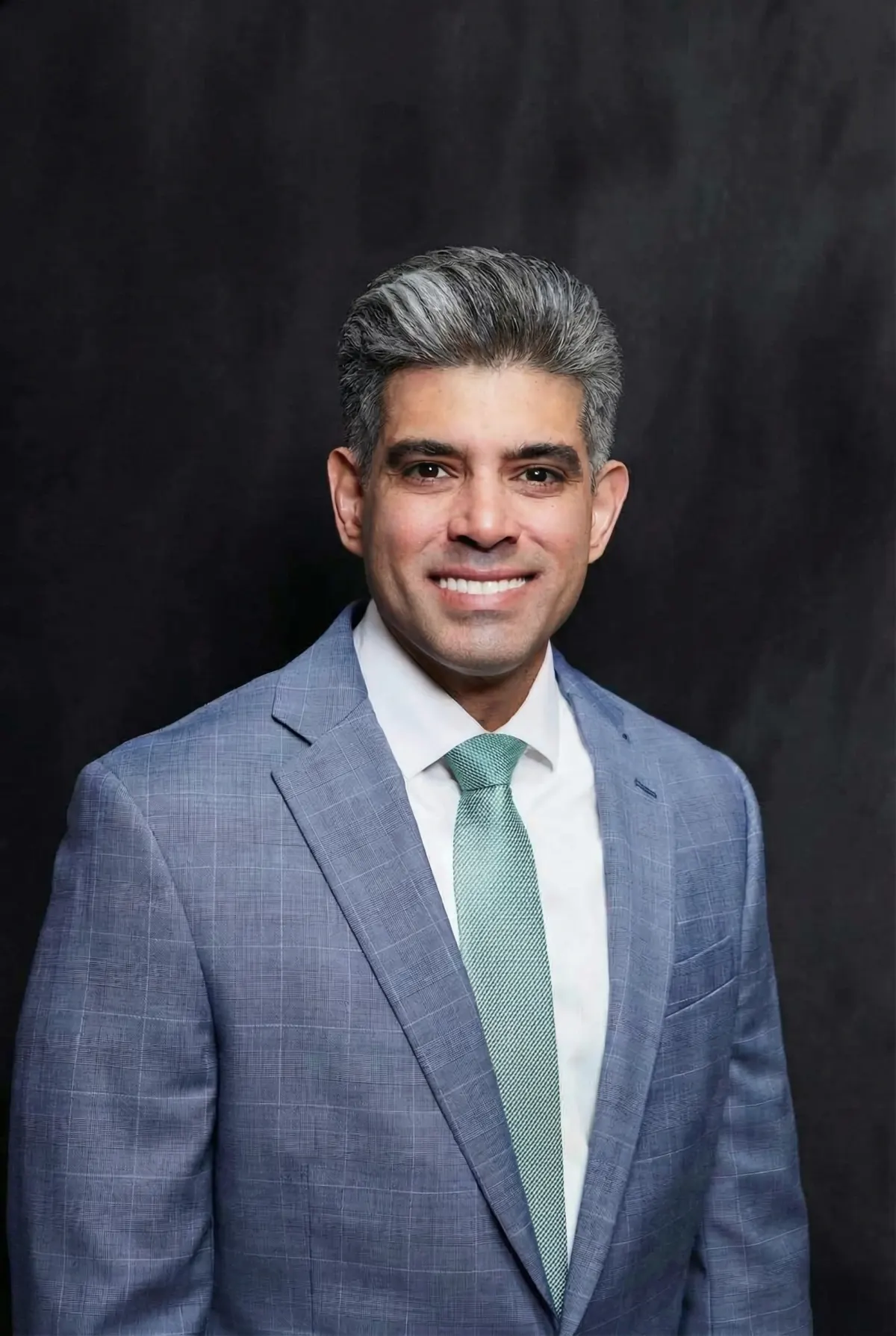
Legally reviewed by Tonmiel Rodriguez, Board Certified Criminal Trial Lawyer — last reviewed June 2026.
Charged with a Prescription Drug Crime in Florida?
Board Certified in Criminal Trial Law by The Florida Bar · Reach Us 24/7 · Hablamos Español
What Prescription Drug Offenses Are Charged Under Florida Law?
Florida Statute Chapter 893 covers prescription drug offenses across several distinct statutes. The most commonly charged prescription drug crimes in the 10th Judicial Circuit are:
| Offense | Statute | Charge | Maximum Penalty |
|---|---|---|---|
| Possession without valid prescription | § 893.13(6)(a) | 3rd Degree Felony | 5 years / $5,000 |
| Obtaining controlled substance by fraud/misrepresentation | § 893.13(7)(a)(8) | 3rd Degree Felony | 5 years / $5,000 |
| Doctor shopping (obtaining from multiple prescribers without disclosure) | § 893.13(7)(a)(9) | 3rd Degree Felony | 5 years / $5,000 |
| Forging a prescription | § 831.02 / § 893.13 | 3rd Degree Felony | 5 years / $5,000 |
| Trafficking oxycodone (7+ grams) | § 893.135(1)(c) | 1st Degree Felony | 3-yr mandatory / $50,000 |
| Trafficking hydrocodone (14+ grams) | § 893.135(1)(c) | 1st Degree Felony | 3-yr mandatory / $50,000 |
What Is Doctor Shopping Under Florida Law?
Doctor shopping under § 893.13(7)(a)(9) is the practice of obtaining a prescription for a controlled substance from a licensed practitioner without disclosing to that practitioner that you have already received a prescription for the same or similar drug from another practitioner within the prior 30 days. Each prescription obtained in violation of this disclosure requirement constitutes a separate third-degree felony.
Florida’s Prescription Drug Monitoring Program (PDMP), known as E-FORCSE (Electronic Florida Online Reporting of Controlled Substances Evaluation), makes doctor shopping cases easier for prosecutors to build. Every controlled substance prescription in Florida is reported to PDMP within 7 days. Investigators can pull a complete prescription history and demonstrate overlapping prescriptions, multiple prescribers, and patterns consistent with drug-seeking behavior without ever leaving the office.
What Is the PDMP and How Is It Used in Prosecution?
The Florida Prescription Drug Monitoring Program (E-FORCSE) is a statewide database maintained by the Department of Health that tracks every dispensed prescription for Schedule II-IV controlled substances. Law enforcement and prosecutors use PDMP records to: identify doctor shopping patterns, establish that a defendant obtained multiple prescriptions without disclosure, prove possession without a valid prescription (when no prescription appears), and build trafficking cases by showing quantity over time.
Under § 893.055, prescribers are required to consult the PDMP before prescribing certain controlled substances, and dispensers report every filled prescription within 7 days. A PDMP print-out for a defendant can be a devastating piece of evidence in a prosecution — but it can also reveal inconsistencies and errors in the State’s theory of the case.
Is a Valid Prescription a Complete Defense to Drug Possession in Florida?
Yes — under § 893.13(6)(a), possession of a controlled substance pursuant to a lawful prescription issued by a licensed practitioner is not a crime. If you possessed oxycodone, hydrocodone, alprazolam, Adderall, or any other Schedule II-IV substance and you had a valid prescription from a licensed Florida practitioner, that is a complete defense to the possession charge.
The defense requires documentation — the prescription must have been valid at the time of possession, must have been written by a licensed practitioner, and must cover the substance and amount seized. I immediately work to obtain prescription records when this issue arises, before any of them can be lost.
When Does Prescription Drug Possession Become Trafficking in Florida?
Prescription opioids trigger trafficking thresholds under § 893.135 when amounts reach statutory minimums — separate from the fraud and doctor shopping offenses. These thresholds apply regardless of whether a prescription exists:
- Oxycodone: 7+ grams = 3-year mandatory minimum / $50,000 fine (§ 893.135(1)(c))
- Oxycodone: 14+ grams = 15-year mandatory minimum / $100,000 fine
- Oxycodone: 25+ grams = 25-year mandatory minimum / $500,000 fine
- Hydrocodone: 14+ grams = 3-year mandatory minimum / $50,000 fine
- Hydrocodone: 28+ grams = 15-year mandatory minimum / $100,000 fine
- Hydrocodone: 56+ grams = 25-year mandatory minimum / $500,000 fine
What Are the Defenses to Prescription Drug Charges in Florida?
- Valid prescription — Complete defense to possession if prescription was valid, lawful, and covers the substance seized.
- Fourth Amendment suppression — If the search that produced the pills was unlawful, motion to suppress. This applies to traffic stops, home searches, and unlawful medical records access.
- PDMP data challenges — PDMP records can contain errors: reporting delays, pharmacy data entry mistakes, prescriptions reported under wrong patient identifiers. These records are not infallible and must be examined critically.
- Lack of knowledge in fraud cases — For § 893.13(7)(a)(8) charges involving fraud, the State must prove the defendant knowingly made a false representation. Ambiguous communications, legitimate treatment disputes, or good-faith prescription requests may negate the fraud element.
- Doctor shopping disclosure — The § 893.13(7)(a)(9) offense requires non-disclosure. If disclosure was actually made, or the timeframe doesn’t fit the 30-day window, the statute may not be satisfied.
Prescription Drug Charges Are Real Felonies
PDMP data, pharmacy records, and prescriber interviews move fast.
Board Certified · Reach Us 24/7 · Hablamos Español
Frequently Asked Questions — Prescription Drug Crimes in Florida
What is doctor shopping in Florida?
Doctor shopping under § 893.13(7)(a)(9) is obtaining a controlled substance prescription from a practitioner without disclosing that you received the same or similar drug from another practitioner within the prior 30 days. Each undisclosed prescription is a separate third-degree felony carrying up to 5 years in prison.
Is it a crime to possess prescription pills without the bottle in Florida?
Possessing a controlled substance without a valid prescription — regardless of whether you have the bottle — is a third-degree felony under § 893.13(6)(a). The prescription must exist and be valid. If you have a valid prescription, you can use PDMP records, the prescriber’s records, and pharmacy records to establish the defense — the bottle is not required.
How does Florida’s PDMP help prosecutors in prescription drug cases?
Florida’s E-FORCSE PDMP tracks every filled controlled substance prescription statewide within 7 days. Prosecutors use it to show overlapping prescriptions, multiple prescribers without disclosure (doctor shopping), and patterns of drug-seeking behavior. However, PDMP records can contain errors and delays, and are subject to challenge.
When does possession of prescription opioids become trafficking in Florida?
Oxycodone trafficking begins at 7 grams under § 893.135(1)(c) with a 3-year mandatory minimum. Hydrocodone trafficking begins at 14 grams. These mandatory minimums apply even if a prescription exists for the substance — the weight threshold is the trigger, not the validity of the prescription.
Related pages: Drug Crimes Hub — All Florida Drug Charges | Drug Trafficking Defense | Fentanyl Charges | Drug Possession Defense | Drug Paraphernalia Charges
What Is the History of Pill Mills in Florida and Why Are Prescription Drug Prosecutions So Aggressive?
Florida was at the center of the national prescription opioid crisis in the 2000s, when so-called “pill mills” — pain clinics dispensing oxycodone and other opioids with minimal medical oversight — fueled addiction and overdose deaths across the southeastern United States. At the peak, Florida had more pain clinics per capita than any other state, and the diversion of prescription opioids from Florida fed street markets across the country. In response, Florida enacted aggressive prescription monitoring and enforcement legislation starting in 2010-2011, and prosecutors and law enforcement have maintained that aggressive posture ever since.
This history means that prescription opioid cases in Florida — even cases involving individuals rather than criminal organizations — are treated with extraordinary seriousness by the 10th Circuit State Attorney’s Office. A doctor shopping case or oxycodone trafficking charge in Polk County is not handled lightly. Understanding this prosecutorial environment is essential context for defense strategy.
What Controlled Substance Schedule Are Common Prescription Drugs Under Florida Law?
Understanding the schedule of the prescription drug involved in your case determines the charge level and the trafficking threshold. Possession of any of these without a valid prescription is a third-degree felony. Under Florida Statute § 893.03:
- Schedule II (§ 893.03(2)): Oxycodone (OxyContin, Percocet), hydrocodone (Vicodin, Norco), fentanyl, methadone, methylphenidate (Ritalin), amphetamine/mixed salts (Adderall). Highest abuse potential with limited medical use.
- Schedule III (§ 893.03(3)): Buprenorphine (Suboxone, Subutex), anabolic steroids, ketamine, testosterone. Moderate abuse potential.
- Schedule IV (§ 893.03(4)): Alprazolam (Xanax), diazepam (Valium), clonazepam (Klonopin), lorazepam (Ativan), zolpidem (Ambien), tramadol. Lower abuse potential, accepted medical use.
How Does Pharmacy Fraud Differ From Doctor Shopping in Florida?
Pharmacy fraud involves obtaining a controlled substance by presenting a fraudulent, forged, or altered prescription to a pharmacy. This is charged under § 893.13(7)(a)(8) as obtaining a controlled substance by fraud or misrepresentation, and under § 831.02 as uttering a forged instrument — potentially creating two separate felony counts from a single transaction. Doctor shopping under § 893.13(7)(a)(9), by contrast, involves obtaining a legitimate prescription from a real practitioner but without disclosing prior prescriptions from other practitioners within 30 days.
Both are third-degree felonies, but pharmacy fraud cases typically involve more direct proof — a pharmacist’s testimony, a fake prescription document, and pharmacy records. Doctor shopping cases rely heavily on PDMP data. The defenses available differ accordingly.
What Happens After a Prescription Drug Arrest in Florida? The Court Process
Prescription drug cases vary significantly in how they develop — a simple possession arrest at a traffic stop moves differently than a doctor shopping case built through PDMP analysis. The case usually moves through these stages:
- Arrest and first appearance: Bond is set. For trafficking charges (oxycodone at 7+ grams, hydrocodone at 14+ grams), bond may be set high. First-appearance counsel is important at this stage.
- Discovery: PDMP records, pharmacy records, prescriber records, lab results, and police reports are all discoverable. I obtain these early and examine them carefully for errors, inconsistencies, and defense opportunities.
- Prescription records: Obtaining the actual prescription records from the prescribing physician and the dispensing pharmacy is critical in possession and trafficking cases. PDMP data is a summary — the source records may reveal a valid prescription that the PDMP summary doesn’t clearly reflect.
- Motion to suppress: How were the pills found? If by unlawful search — traffic stop, home search, or medical records obtained without proper process — suppression is the first defense tool.
- PTI eligibility: First-time offenders on possession charges may qualify for PTI in the 10th Judicial Circuit. Doctor shopping charges may be treated differently by the SAO depending on the scope and pattern of conduct.
- Trial: If the case does not resolve, PDMP data, prescriber testimony, pharmacy records, and the State’s fraud or shopping theory are all subject to cross-examination at trial.
How does the valid prescription defense work procedurally in a Florida drug case?
The valid prescription defense under § 893.13(6)(a) is an affirmative defense — the defendant bears the initial burden of producing evidence that a valid prescription existed, after which the State must disprove it beyond a reasonable doubt. Procedurally, this means I work immediately to obtain the prescriber’s records, pharmacy dispensing records, and PDMP verification that the prescription was issued by a licensed practitioner for a legitimate medical purpose, was valid at the time of possession, and covered the substance and quantity seized. These records must be subpoenaed or obtained with authorization — delays can result in records being unavailable or harder to obtain. This is why contacting a lawyer immediately after a prescription drug arrest matters.
What Are the Collateral Consequences of a Prescription Drug Conviction in Florida?
Prescription drug convictions — whether for possession, doctor shopping, fraud, or trafficking — carry the same collateral consequences as any drug felony in Florida:
- Driver’s license: Mandatory 2-year suspension under § 322.055 for a first drug conviction. This is automatic upon conviction.
- Healthcare professional licenses: Nurses, pharmacists, EMTs, doctors, and other healthcare workers face mandatory reporting to the Florida Department of Health following a drug-related arrest and potential emergency license suspension pending investigation. A prescription drug conviction in Florida can end a healthcare career.
- Firearm rights: A felony conviction under § 893.13 disqualifies you from possessing or purchasing firearms under federal and Florida law.
- Immigration: Non-citizens face particularly severe consequences for prescription drug trafficking charges, which are treated as aggravated felony drug trafficking offenses under federal immigration law — grounds for mandatory deportation regardless of time in the country or family ties.
- Employment: Background checks display drug felony convictions indefinitely. Many employers — particularly in healthcare, education, and government — have mandatory disqualification policies.
How Does a Prescription Drug Charge Compare to Marijuana or Cocaine Charges in Florida?
Prescription drug charges occupy a unique space in Florida criminal law. A straightforward possession charge for oxycodone without a prescription carries the same statutory maximum (5 years, third-degree felony) as cocaine possession — but the trafficking thresholds for prescription opioids can be far lower than cocaine. Oxycodone trafficking begins at just 7 grams under § 893.135(1)(c) — compared to 28 grams for cocaine. A relatively small number of pills can reach the oxycodone trafficking threshold.
Additionally, prescription drug cases often involve documentary evidence — PDMP records, pharmacy records, prescriber files — that simple street drug cases do not. This creates both additional prosecution evidence (PDMP records showing overlapping prescriptions) and additional defense opportunities (PDMP errors, valid prescription documentation, prescriber testimony). The documentary record in prescription cases is more extensive and requires more detailed examination than cases involving street-level narcotics.