
Explore Federal Crime Topics
Click any topic below to learn about specific charges, penalties, and defense strategies.
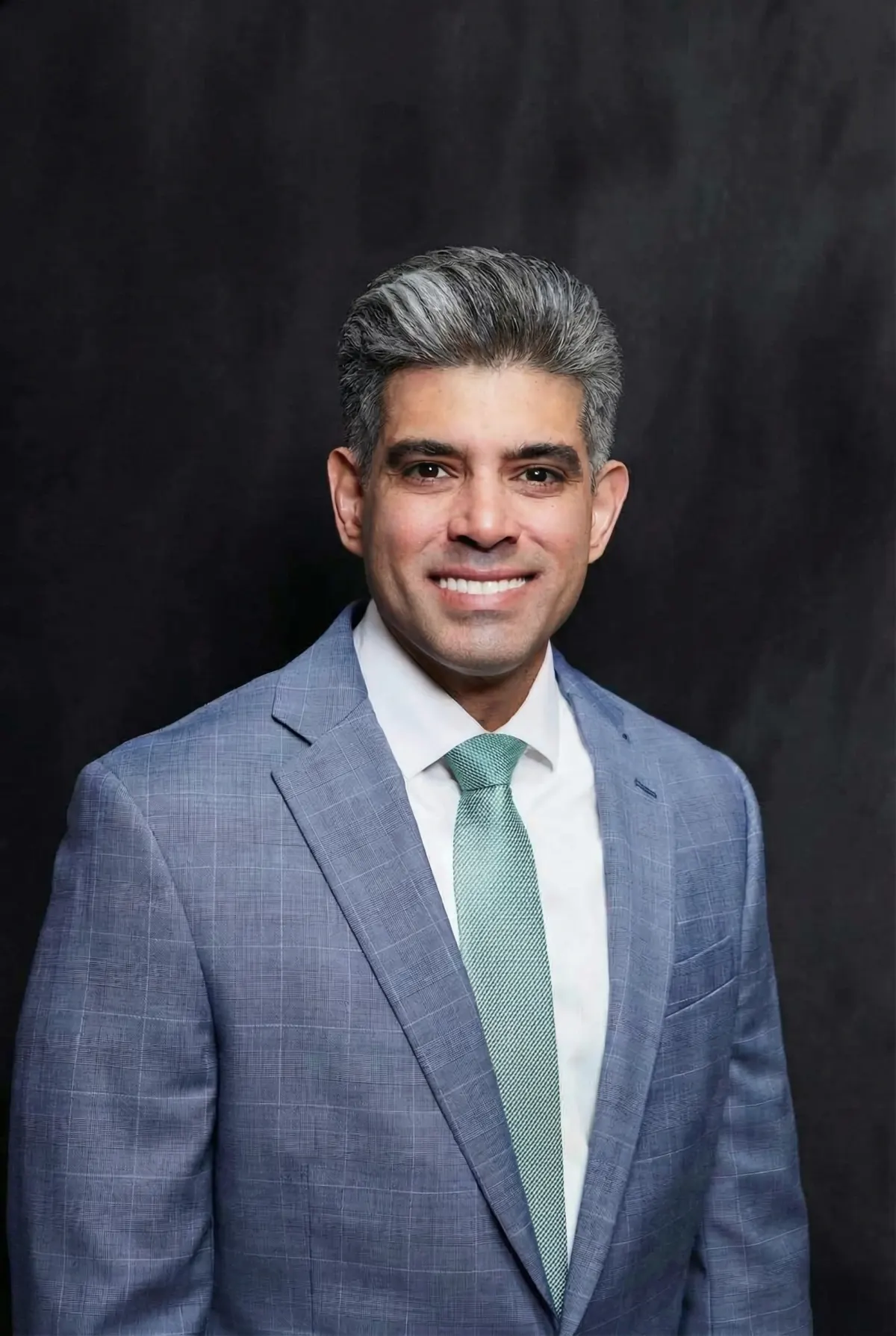
Federal criminal defense attorney Tonmiel Rodriguez — Board Certified Criminal Trial Lawyer based in Bartow, Florida — represents clients charged with federal crimes in the Middle District of Florida, including clients from Polk, Highlands, and Hardee Counties. Federal prosecution is categorically different from state court — the resources, the stakes, and the procedures all operate on a different level. If you are facing a federal investigation or have been charged in federal court, call (863) 774-4556 immediately — 24/7 availability, Hablamos Español.
Legally reviewed by Tonmiel Rodriguez, Board Certified Criminal Trial Lawyer — last reviewed June 2026.
Federal charges mean you are facing the full resources of the United States government — FBI agents, federal prosecutors, and forensic specialists — building a case that often begins months or years before any arrest. The Federal Sentencing Guidelines control sentencing, and there is no parole in the federal system. Bringing experienced federal defense counsel into the case as early as possible makes a real difference.
Charged in Polk, Highlands, Hardee, Osceola, or Hillsborough County? Board Certified Criminal Trial Lawyer — Call Now
Attorney Tonmiel Rodriguez defends clients throughout the 10th Judicial Circuit and the Middle District of Florida.
Board Certified in Criminal Trial Law by The Florida Bar · Reach Us 24/7 · Hablamos Español
What Is Federal Jurisdiction and When Does It Apply?
Federal jurisdiction attaches when a crime involves federal law, federal property, federal agencies or programs, or when the conduct crosses state lines or involves interstate commerce. The most common federal jurisdictional hooks include:
- Interstate commerce — Drug trafficking, firearms, and fraud involving transportation or communications across state lines
- Wire communications — Any fraud scheme using email, telephone, internet, or wire transfers triggers federal wire fraud jurisdiction under 18 U.S.C. section 1343
- Mail use — Fraud schemes using the U.S. Postal Service trigger federal mail fraud jurisdiction under 18 U.S.C. section 1341
- Federal programs — Medicare fraud, Medicaid fraud, federal benefits fraud, and similar offenses involving federal funds
- Federal property or officials — Crimes on federal property or against federal officers or employees
- Federal statutes — Drug trafficking under 21 U.S.C. section 841, firearms offenses under 18 U.S.C. section 922, and specific offenses enumerated in federal criminal codes
Can the Same Conduct Be Charged Both Federally and in Florida State Court?
Yes. The Double Jeopardy Clause does not bar dual prosecution when both state and federal law apply to the same conduct — this is the dual sovereignty doctrine. Drug trafficking arrests often result in both state charges in Polk County Circuit Court and federal charges in Tampa. Each prosecution is independent. Resolving state charges does not affect federal charges, and vice versa.
What Is the Middle District of Florida?
The Middle District of Florida is the federal judicial district covering most of central and southwest Florida. It is divided into five divisions: Tampa, Orlando, Fort Myers, Ocala, and Jacksonville. Criminal cases arising from Polk County, Highlands County, and Hardee County are assigned to the Tampa Division, where hearings are held at the Sam M. Gibbons U.S. Courthouse in Tampa. The United States Attorney’s Office for the Middle District of Florida prosecutes all federal criminal cases in this district. The MDFL is one of the busiest federal districts in the country with dedicated units for organized crime, narcotics, cyber, public corruption, and violent crime.
Charged in Polk, Highlands, Hardee, Osceola, or Hillsborough County? Board Certified Criminal Trial Lawyer — Call Now
Attorney Tonmiel Rodriguez defends clients throughout the 10th Judicial Circuit and the Middle District of Florida.
Board Certified · Reach Us 24/7 · Hablamos Español
How Is Federal Court Different From Florida State Court?
What Are the Federal Sentencing Guidelines?
The Federal Sentencing Guidelines are a system for calculating sentencing ranges based on the offense level, criminal history category, and specific offense characteristics. Every federal offense is assigned a base offense level, which is then adjusted based on factors like the amount of drugs, the dollar value of fraud, the presence of a weapon, the defendant’s role, and whether the defendant accepted responsibility. The Guidelines produce a recommended range in months. While advisory post-Booker, federal judges follow them closely in the vast majority of cases. Understanding what the Guidelines produce in your specific case is essential to evaluating any plea offer.
Is There Parole in the Federal System?
No. The federal parole system was abolished by the Sentencing Reform Act of 1984. Federal defendants serve a minimum of 85% of their imposed sentence. For a ten-year sentence, that means at least 8.5 years in federal prison. Florida state court works differently: gain-time and parole there can significantly reduce time served. Keep this distinction in mind when evaluating federal plea offers.
What Happens at a Federal Grand Jury?
Most federal felony charges are brought by a grand jury — a panel of citizens who review the prosecution’s evidence and decide whether to issue an indictment. Grand jury proceedings are secret, the defense has no right to present evidence or cross-examine witnesses, and the standard is probable cause. If you receive a federal grand jury subpoena, you need counsel immediately.
What Federal Criminal Charges Do I Handle?
Money Laundering — 18 U.S.C. section 1956 charges often accompanying drug trafficking or fraud
What to Do If Federal Agents Contact You
Should You Talk to FBI or DEA Agents Without a Lawyer?
No. You have the right to remain silent and the right to counsel. Federal agents are experienced investigators trained to obtain information from people who believe they have nothing to hide or that cooperation will help them. Providing voluntary statements to federal agents without counsel has destroyed cases that could have been resolved more favorably. If federal agents contact you, your only response should be that you are exercising your right to remain silent and your right to counsel. Then call a lawyer.
What Is a Proffer Agreement?
A proffer agreement allows a defendant to speak with federal prosecutors with limited protection that their statements will not be used directly against them. Proffer agreements do not provide full immunity, and statements made can be used in cross-examination and to develop other evidence. Before entering any proffer, you need experienced federal defense counsel who can evaluate whether it serves your interests.
Charged in Polk, Highlands, Hardee, Osceola, or Hillsborough County? Board Certified Criminal Trial Lawyer — Call Now
Attorney Tonmiel Rodriguez defends clients throughout the 10th Judicial Circuit and the Middle District of Florida.
Board Certified · Reach Us 24/7 · Hablamos Español
Frequently Asked Questions About Federal Criminal Charges
What makes a crime federal rather than state?
A crime becomes federal when it involves federal law, federal property, crosses state lines, involves interstate commerce, or implicates federal programs. Drug trafficking using interstate transport, wire fraud using electronic communications, and firearms violations under 18 U.S.C. section 922 are examples.
What is the Middle District of Florida?
The Middle District of Florida covers central and southwest Florida including Polk, Highlands, and Hardee Counties. Federal criminal cases from Polk County are handled in the Tampa Division at the Sam M. Gibbons U.S. Courthouse.
Is there parole in the federal system?
No. Federal parole was abolished in 1984. Federal defendants serve at least 85% of their imposed sentence, which is fundamentally different from Florida state court where gain-time can significantly reduce time served.
Should I talk to FBI agents without a lawyer?
No. Exercise your right to remain silent and your right to counsel. Your only response to federal agents should be that you are exercising your rights, then contact a lawyer immediately.
What is a federal target letter?
A target letter is notice from the U.S. Attorney’s Office that you are a target of a federal grand jury investigation. Contact a federal defense attorney immediately if you receive one.
What are the Federal Sentencing Guidelines?
The Federal Sentencing Guidelines calculate recommended sentencing ranges based on offense level, criminal history, and offense characteristics. While advisory, federal judges follow them closely. Understanding the Guidelines calculation in your case is essential to evaluating any plea offer.
What is a proffer agreement in federal court?
A proffer agreement allows a defendant to speak with federal prosecutors with limited protection that their statements will not be used directly against them. Proffer agreements do not provide full immunity. Before entering one, you need experienced federal defense counsel.
Related: Federal Drug Charges | Federal Fraud | Federal Firearms | Federal Sex Crimes | Federal Cybercrimes | Federal RICO | Florida RICO | White Collar Crimes
Charged in Polk, Highlands, Hardee, Osceola, or Hillsborough County? Board Certified Criminal Trial Lawyer — Call Now
Attorney Tonmiel Rodriguez defends clients throughout the 10th Judicial Circuit and the Middle District of Florida.
Board Certified · Reach Us 24/7 · Hablamos Español
What Is the Pre-Indictment Stage in Federal Criminal Cases?
One of the most significant differences between federal and state criminal practice is the pre-indictment investigation phase. In Florida state court, most arrests are made based on a probable cause determination by a law enforcement officer, followed by prosecution through the SAO. Federal cases, particularly complex white collar, drug, and organized crime cases, typically involve an extensive pre-indictment investigation — sometimes lasting years — before any public action is taken.
During this phase, federal agents execute subpoenas for financial records, conduct surveillance, use confidential informants, and build the evidentiary case. If you are a target of a federal investigation and have not yet been charged, you are in the most critical window for effective legal intervention. An experienced federal defense attorney can engage with the prosecution before charges are filed — negotiating potential cooperation agreements, presenting exculpatory information, challenging the factual basis for the investigation, and in some cases preventing charges from being filed at all. Once an indictment is returned, the government’s position hardens and options narrow.
What Is a Federal Grand Jury Subpoena and How Should I Respond?
A federal grand jury subpoena requires the recipient to appear before the grand jury and provide testimony, documents, or both. There are three categories of grand jury witnesses: targets (the subject of the investigation), subjects (whose conduct is within the scope of the investigation), and witnesses (who may have relevant information). Each category carries different Fifth Amendment implications. A target who appears before the grand jury without asserting the Fifth Amendment or who provides testimony without a formal immunity agreement can create significant problems for the defense. Before responding to any federal grand jury subpoena, contact a federal defense attorney immediately.
How Does Federal Sentencing Work After a Conviction?
After conviction — whether by trial or guilty plea — federal sentencing is a structured process that typically unfolds over several months. A United States Probation Officer prepares a Presentence Investigation Report (PSR) that applies the Sentencing Guidelines to the specific facts of the case. The PSR calculates the offense level, the criminal history category, and the resulting Guidelines range. Both the prosecution and the defense have the opportunity to object to the PSR’s factual findings and Guidelines calculations. Objections to the PSR must be filed within a specific timeframe and must be precise — vague or late objections are typically rejected. Uncontested PSR findings become the factual record for sentencing and can affect future legal proceedings including sentence reduction motions and habeas proceedings.
What Is a Rule 35 Motion for Sentence Reduction?
Federal Rule of Criminal Procedure 35(b) allows the prosecution to file a motion to reduce a defendant’s sentence after sentencing when the defendant has provided substantial assistance to the government in the investigation or prosecution of another person. Unlike Section 5K1.1 motions filed before sentencing, a Rule 35 motion can be filed at any time after sentencing. For defendants who are sentenced but then cooperate with an ongoing investigation, Rule 35 is the mechanism for obtaining a sentencing benefit for post-sentencing cooperation. The decision to file a Rule 35 motion is entirely at the prosecution’s discretion — the defendant has no right to compel it — which is why cooperation agreements must be carefully negotiated before any testimony or assistance is provided.
What Is Federal Supervised Release?
In the federal system, a term of supervised release follows every prison sentence. Supervised release is distinct from probation — it is not an alternative to prison but a separate period of supervision that begins after release from custody. Typical supervised release conditions include reporting to a probation officer, drug testing, travel restrictions, employment requirements, and prohibitions on contact with co-defendants or victims. Violations of supervised release conditions are prosecuted as separate proceedings and can result in additional imprisonment. For defendants in white collar or financial crime cases, supervised release conditions frequently include financial reporting requirements, restrictions on financial accounts, and prohibitions on operating businesses in certain fields.
Board Certified Defense in Federal Court — Why It Matters
“This is the highest level of recognition by The Florida Bar for the competency and experience of a lawyer practicing criminal trial law.”
— The Florida Bar
Board Certification in Criminal Trial Law by The Florida Bar reflects demonstrated mastery of criminal trial practice. In the federal system, where the prosecution has greater resources, the procedural rules are more complex, and the sentencing stakes are higher than in most state court cases, the attorney’s experience and credentials matter significantly. The difference between a lawyer who dabbles in federal court and one who regularly practices in the Middle District of Florida — who knows the judges, the AUSA’s, and the specific practices of the Tampa Division — can directly affect the outcome of your case. I am Board Certified in Criminal Trial Law and I practice in both state and federal court. When your freedom is at stake in the federal system, credentials backed by demonstrated experience are not optional.
How Do the Federal Sentencing Guidelines Score Your Offense?
Every federal case begins with a base offense level assigned to the charged statute — for example, drug trafficking under 21 U.S.C. section 841 starts at a level tied to drug quantity; wire fraud under section 1343 starts at level 7 and climbs based on the dollar amount of the fraud. Specific offense characteristics are then applied as upward adjustments: use of a weapon, role as an organizer, obstruction of justice, number of victims, and similar factors each add levels. Downward adjustments reduce the level: accepting responsibility (typically minus 2 or 3 levels), providing substantial assistance (Section 5K1.1), and qualification for the safety valve in drug cases. The resulting adjusted offense level is cross-referenced against the defendant’s criminal history category — six categories ranging from no prior record (Category I) to extensive history (Category VI) — to produce the Guidelines range in months. That range is the benchmark every federal judge uses at sentencing, and every plea negotiation is evaluated against it. You cannot evaluate a plea offer without knowing how the Guidelines apply to the specific facts of your case.
Charged in Polk County? Board Certified Criminal Trial Lawyer — Call Now
Attorney Tonmiel Rodriguez represents clients in state and federal court throughout the 10th Judicial Circuit and the Middle District of Florida.
Board Certified · Reach Us 24/7 · Hablamos Español
What Is the Difference Between Federal Probation and Supervised Release?
In the federal system, probation (18 U.S.C. section 3561) is an alternative to imprisonment — a sentence of probation means the defendant is not incarcerated but serves their sentence in the community under supervision. Supervised release (section 3583) is different: it is a period of supervision that follows a prison sentence. Every federal defendant sentenced to prison also receives a term of supervised release that begins after release from custody. The distinction matters because violations of supervised release are treated differently than violations of probation, and the conditions of each are imposed separately.
Supervised release violations in federal court are prosecuted in the original sentencing district and can result in a revocation hearing before the original sentencing judge. The standard for revocation is preponderance of the evidence — lower than the beyond-a-reasonable-doubt standard for the original offense. Revocation can result in a new prison sentence of up to the maximum term of supervised release imposed, which in serious cases can be years. Defending supervised release violations requires understanding the standard of proof, the available defenses, and the sentencing options available to the judge at the revocation hearing.
What Is Federal Criminal Appeals Practice?
After a federal conviction or sentence, the defendant has the right to appeal to the Eleventh Circuit Court of Appeals, which covers the Middle District of Florida. Federal criminal appeals are governed by the Federal Rules of Appellate Procedure and the Eleventh Circuit’s Local Rules, which set strict briefing deadlines and specific format requirements. The notice of appeal must be filed within 14 days of the judgment — this is jurisdictional, and missing the deadline typically forecloses the appeal entirely.
Common appellate issues in federal criminal cases include: insufficiency of the evidence, errors in the jury instructions, Fourth Amendment suppression issues that were preserved at trial, Guidelines calculation errors in sentencing, and constitutional challenges to mandatory minimum application. The Eleventh Circuit’s review is deferential to the district court on factual issues but de novo on questions of law — understanding which issues warrant appeal and how to frame them for the appellate standard of review is the specialized skill of federal appellate practice.
How Do I Find Out If I Am Under Federal Investigation?
Federal investigations are typically covert, and targets are often not aware of them until a search warrant is executed or charges are filed. However, there are several indicators that a federal investigation may be underway: federal agents appearing at your home or business; subpoenas directed to your bank, employer, or associates; colleagues or business partners telling you they have been contacted by federal agents; or unusual activity in your financial accounts. If you observe any of these signals, contact a federal defense attorney immediately — even if you believe you have done nothing wrong. The earlier counsel is retained, the more options are available to address the investigation before charges are filed.
Why the Middle District of Florida Requires Local Knowledge
Effective federal defense in the Middle District of Florida is not just about knowing the Sentencing Guidelines and the Federal Rules of Criminal Procedure — it also requires knowing how this specific district operates. Which AUSA’s handle which types of cases. How the Tampa Division judges manage their dockets. What plea agreement structures the USAO for the MDFL typically uses. When the district’s fast-track programs are available. How the federal public defender’s office interacts with retained counsel in multi-defendant cases. This institutional knowledge — developed through regular practice in this district — is what distinguishes local federal defense counsel from attorneys licensed in the district but practicing primarily elsewhere. I appear regularly in the Tampa Division of the Middle District of Florida and understand how cases are handled in this court.