
Explore Problem-Solving Court Topics
Click any topic below to learn about specific charges, penalties, and defense strategies.
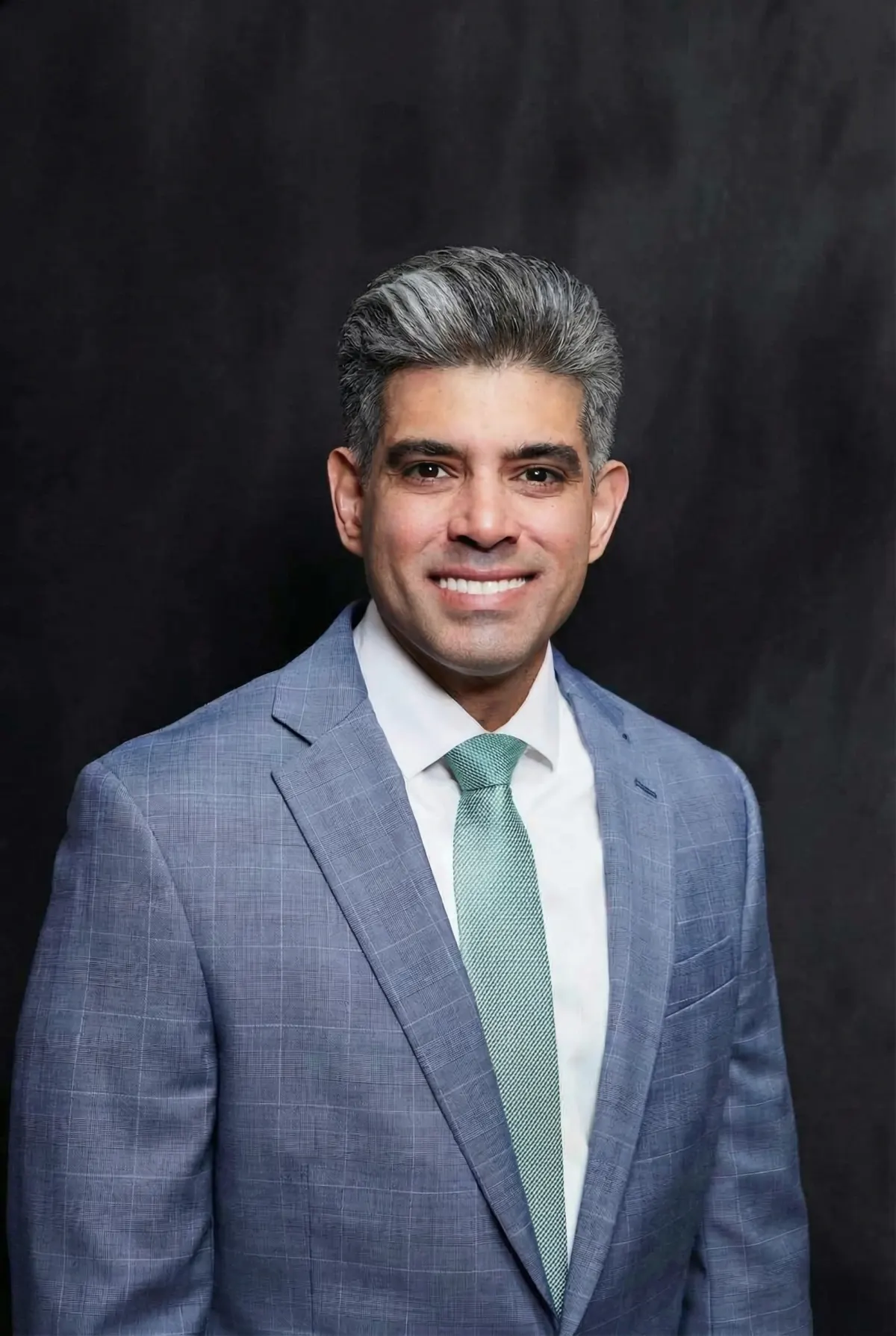
Legally reviewed by Tonmiel Rodriguez, Board Certified Criminal Trial Lawyer — last reviewed June 2026.
Problem-Solving Courts — 10th Judicial Circuit, Polk County
You are facing criminal charges. The underlying problem — addiction, mental illness, trauma from military service — is what actually drove you here. Standard prosecution treats the charge. Problem-Solving Courts treat the problem. If you qualify, this is a path that can end with your felony gone or reduced, your treatment completed, and your life intact.
I’m Tonmiel Rodriguez, a Board Certified Criminal Trial Lawyer serving Polk, Highlands, and Hardee Counties. I’ve worked with Problem-Solving Courts in the 10th Judicial Circuit extensively, and this page walks through how the programs work, who qualifies, and how a defense attorney can help you get in.
What Are Problem-Solving Courts?
Problem-Solving Courts are a nationally recognized model that emerged from the recognition that traditional incarceration does almost nothing to address addiction or mental illness. Jailing someone who is addicted to opioids doesn’t cure the addiction — it just delays the next arrest. Drug courts and their sister programs were designed to break that cycle.
These are court-supervised treatment programs. A dedicated judge runs each program. A multi-disciplinary team — prosecutor, defense attorney, probation officer, treatment providers, case managers — meets regularly to monitor each participant’s progress. Proceedings are non-adversarial: the goal is your success, not your conviction.
Florida authorizes these programs under § 397.334, Florida Statutes (treatment-based drug court programs). The 10th Judicial Circuit operates eight separate programs through the Polk County courthouse in Bartow.
The 8 Programs Available in the 10th Circuit
The 10th Judicial Circuit’s Problem Solving Courts office (Director: Lori Beisner, LMHC — (863) 534-7796) administers all of the following programs:
How These Programs Work
Every Problem-Solving Court program in the 10th Circuit shares the same structural backbone:
Multi-Disciplinary Team
A dedicated judge presides over all hearings. The team includes the prosecutor, your defense attorney, a probation officer, case managers, and licensed treatment providers. The team meets before court to review your progress. The judge then addresses you directly in a non-adversarial hearing — this is not a traditional courtroom dynamic.
Regular Court Appearances
You appear before the judge on a regular schedule — often weekly or bi-weekly in early phases, less frequently as you progress. These appearances are accountability checkpoints, not adversarial proceedings.
Random Drug Testing — The Color Hotline
All participants call the color hotline at (863) 534-5828 daily. Each participant is assigned a color. When your color is called, you submit to a drug test that day. There is no advance notice. Missing a test or testing positive has consequences — from increased monitoring to potential termination from the program.
Treatment
Treatment is the core of the program. Depending on your program and clinical assessment, this may include outpatient counseling, intensive outpatient, residential treatment, medication-assisted treatment, mental health therapy, psychiatric evaluation and medication management, or a combination. Treatment is structured in phases.
Phases
Most programs operate in three or more phases of increasing autonomy. Early phases are intensive — more court appearances, more testing, more treatment hours. As you meet milestones, you advance through phases with reduced requirements. Graduation comes at the end of the final phase.
General Eligibility
No single eligibility standard applies to all eight programs, but the common thread is this: you are a nonviolent offender whose criminal conduct is substantially driven by substance abuse or a behavioral health condition.
Additional factors the team reviews:
- Nature of the current charge (violent charges typically disqualify)
- Prior criminal history (varies by program — some prior convictions may disqualify)
- Documented substance abuse or mental health diagnosis
- Willingness to participate voluntarily
- Residency in the 10th Judicial Circuit service area
- Program-specific criteria (age for Young Adult/Juvenile; veteran status for VTC; etc.)
Critical point: Entry is not automatic. The State Attorney’s Office, defense counsel, probation, and the treatment team all make recommendations to the judge. The final determination rests with the judge alone. Your attorney’s advocacy at this stage can be decisive.
What Successful Completion Means
Graduation from a Problem-Solving Court program carries real legal consequences:
- Felony charges are typically reduced to a misdemeanor or dismissed entirely upon graduation
- Misdemeanor charges may be dismissed
- Post-adjudication programs: existing conviction may be downgraded or sentence modified
- Skill development: vocational training, employment support, and life skills programming are often components
- Treatment completion: you leave with your underlying problem addressed, not just suppressed
These outcomes are real. They are also not guaranteed. They depend on the specific program terms, your compliance, and the judge’s final order. Anyone telling you otherwise is overpromising.
The Role of a Defense Attorney in Problem-Solving Courts
Defense counsel is a required member of the multi-disciplinary team. Your attorney does not disappear once you enroll — they participate in team meetings, advocate for you when the team reviews your progress, and protect your rights throughout the process.
More importantly: your attorney is your advocate at the front door. The State Attorney can oppose your admission. Your attorney argues for acceptance, negotiates program terms, and ensures you understand exactly what you are agreeing to before you walk in. Entering a Problem-Solving Court program is a legal agreement. You need a lawyer who understands both the program mechanics and the criminal law implications.
See also: Pretrial Intervention | Drug Court | Violation of Probation
Why Problem-Solving Courts Produce Better Long-Term Outcomes
Decades of research across hundreds of jurisdictions point to a consistent finding: drug courts and behavioral health courts reduce recidivism at rates that traditional incarceration cannot match. The U.S. Department of Justice’s National Institute of Justice has documented recidivism reductions of 40 to 60 percent for drug court graduates compared to similar defendants who went through standard prosecution. Fewer re-arrests mean fewer victims and lower long-term costs to the criminal justice system.
Incarceration does not treat addiction. A person addicted to methamphetamine, heroin, or alcohol who serves a jail sentence still has the addiction when they walk out. The arrest cycle repeats. Problem-Solving Courts break the cycle by treating the underlying condition. When the condition is addressed through structured, supervised, individualized treatment — the behavior changes. The 10th Judicial Circuit has invested in this model because it demonstrably produces better public safety outcomes over time.
Florida authorized the framework under § 397.334, Florida Statutes with an explicit legislative purpose: reduce recidivism and substance abuse by providing treatment as an alternative to or in combination with criminal sanctions. The statute reflects a policy judgment backed by decades of outcome data. Understanding this context matters when you are deciding whether to pursue a Problem-Solving Court program or whether to fight the charge through traditional litigation.
Facing charges in Polk, Highlands, or Hardee County?
Board Certified Criminal Trial Lawyer Tonmiel Rodriguez represents clients in all 10th Circuit Problem-Solving Court programs.
Board Certified in Criminal Trial Law by The Florida Bar · Reach Us 24/7 · Hablamos Español
How Do You Apply for a Problem-Solving Court in Polk County?
The application process for any Problem-Solving Court in the 10th Circuit follows a defined sequence. Understanding each step in advance helps you move through it efficiently and avoid procedural mistakes that can delay or derail admission.
Step 1 — Defense Attorney Referral and Initial Case Review
The process begins with your defense attorney identifying your eligibility and initiating the referral. This involves reviewing the criminal charges, your documented substance abuse or behavioral health history, and the specific eligibility criteria for the most appropriate program. Not every defendant is a good fit for every program — a strategic assessment of which program fits your situation is your attorney’s first job at this stage.
Step 2 — Clinical Assessment
A licensed substance abuse counselor or behavioral health clinician performs a formal assessment to confirm the existence and severity of the condition, determine the appropriate level of care, and assess program appropriateness. This assessment is not something to approach casually. Your attorney should prepare you for what to expect, including how to be honest while protecting your legal interests, and what documentation strengthens the findings.
Step 3 — State Attorney Review
The State Attorney’s Office reviews the application and makes a recommendation. The prosecutor can support, oppose, or remain neutral. The State Attorney’s opposition is not automatically fatal — the judge can override it — but it makes admission harder. A well-prepared application with documented clinical support gives your attorney the tools to push back effectively.
Step 4 — Multi-Disciplinary Team Meeting and Judicial Admission
The full team reviews the application together. The judge then makes the final admission decision, typically in open court. From referral to admission, the process commonly takes two to four weeks, sometimes longer depending on docket scheduling.
What Are the Common Reasons Problem-Solving Court Applications Are Denied?
Understanding the grounds for denial helps your attorney build a stronger case for admission — and helps you understand the realistic landscape before applying.
- Charge severity: Violent charges — robbery, aggravated battery, weapons offenses — typically disqualify. Drug trafficking under § 893.135 creates statutory barriers in most programs.
- Prior program failure: A previous termination from any Problem-Solving Court in any jurisdiction is a significant obstacle. The team needs a credible, documented answer to why this time is different.
- Weak clinical nexus: The clinical assessment must establish a clear, documented connection between the diagnosed condition and the criminal conduct. A borderline assessment can undermine the entire application.
- Inadequate support infrastructure: Unstable housing, no transportation to testing and treatment, no family support — these are program failure risk factors the team weighs. Addressing them before the application strengthens the case.
- Disqualifying criminal history: Prior violent felonies or prior sex offenses.
Fees and Financial Obligations in Problem-Solving Court Programs
Problem-Solving Courts are not free. Participants bear responsibility for program fees, treatment costs, and ongoing court obligations. Understanding the financial picture before you commit is essential — financial noncompliance is a common program violation that can result in phase holds or sanctions.
- Monthly program fees: The Problem Solving Courts office charges a participation fee, subject to ability-to-pay determinations.
- Treatment costs: Outpatient counseling, intensive outpatient programming (IOP), and residential treatment are the participant’s responsibility. Medicaid, private insurance, and sliding-scale arrangements commonly offset these costs.
- Drug testing fees: Per-test fees accumulate over a 12-18 month program with frequent testing.
- Existing fines and court costs: Pre-existing financial obligations from the underlying case remain and must typically be satisfied as part of graduation requirements.
Financial hardship does not disqualify you, but it must be disclosed and addressed proactively. Your attorney can advocate for fee adjustments and ensure financial obligations are clearly defined in the program agreement before you sign it.
Frequently Asked Questions
What is a Problem-Solving Court in Polk County?
A court-supervised treatment program that addresses the underlying cause of criminal behavior — substance abuse or mental health — instead of simply prosecuting the charge. A team of professionals monitors your progress through structured phases of treatment and accountability, with the goal of graduating you into a better situation than the traditional system would produce.
Who qualifies for Problem-Solving Courts in the 10th Judicial Circuit?
Generally, nonviolent offenders with a documented substance abuse or behavioral health condition that contributed to the charge. Each program has specific criteria. The final admission decision belongs to the judge, based on recommendations from the full multi-disciplinary team.
What happens to my charges if I complete the program?
Felony charges are typically reduced to a misdemeanor or dismissed. Misdemeanor charges may be dismissed. Post-adjudication program participants may have their conviction modified. The specific outcome depends on the program terms and the judge’s final order.
Do I need a lawyer to apply?
Yes. Defense counsel is a required team member. An experienced criminal defense attorney can advocate for your acceptance, negotiate terms, and protect your rights throughout the program. This is not a situation where you represent yourself.
Where are the programs located?
All 10th Circuit Problem-Solving Court programs are administered through the Polk County courthouse in Bartow. Contact: Problem Solving Courts office, (863) 534-7796. Director: Lori Beisner, LMHC.
How long does it take to get admitted to a Problem-Solving Court program?
From referral to admission decision, the process commonly takes two to four weeks, sometimes longer depending on docket scheduling. The process involves a criminal history review, clinical assessment, State Attorney review, multi-disciplinary team meeting, and the judge’s admission order. Your attorney monitors the process and follows up to keep it moving.
What is the color hotline and how does it work?
All 10th Circuit Problem-Solving Court participants call (863) 534-5828 every day without exception. Each participant is assigned a color at program intake. When the hotline announces your color, you must report for a drug test that same day — no advance notice, no rescheduling. Testing is random and unannounced by design. Missing a call or a test is treated as a program violation. In early phases, your color may be called multiple times per week.
Comparing the 8 Problem-Solving Court Programs — Which One Is Right for Your Situation?
The 10th Judicial Circuit operates eight distinct Problem-Solving Court programs, each designed for a specific population and situation. Choosing the right program — or understanding which program you qualify for — requires matching your specific charges, clinical picture, and life circumstances to the program’s eligibility criteria and design. Here is a direct comparison of all eight programs to help you understand the landscape before your first attorney consultation.
| Program | Who It’s For | Key Statute | Graduation Benefit |
|---|---|---|---|
| Drug Court (General) | Defendants with drug charges and documented substance use disorder | § 397.334 | Reduced/dismissed charge; withhold of adjudication |
| Adult Drug Court — Felony | Adult defendants with felony charges driven by substance abuse (post-adjudication) | § 397.334 | Felony reduced to misdemeanor or dismissed |
| Adult Drug Court — Misdemeanor | Adult defendants with misdemeanor charges and substance abuse issues | § 397.334 | Charges may be dismissed |
| DUI Drug Court | Repeat DUI offenders with substance abuse problems (post-conviction) | § 397.334 | Sentence modification; NOT a diversion program |
| Young Adult Drug Court | Adults ages 18-25 with substance abuse driving charges | § 397.334 | Felony reduced/dismissed; education/career support |
| Juvenile Drug Court | Youth in juvenile justice system with substance abuse issues | § 397.334 | Rehabilitation, diversion from adult system pipeline |
| Behavioral Health Court | Defendants with serious mental illness (PTSD, bipolar, schizophrenia) driving charges | § 394 (Baker Act framework) | Charges reduced/dismissed; community MH connections |
| Veterans Treatment Court | Military veterans with service-connected PTSD, TBI, substance abuse | § 394.47891 | Charges reduced/dismissed; VA benefits integration |
| Post-Adjudication Drug Court | Defendants already convicted or sentenced; sentencing alternative | § 397.334 | Conviction modified; early probation termination possible |
The programs differ in more than eligibility criteria — they differ in legal mechanism, in what you are asked to give up (a guilty plea, for most), and in what you receive in return. A defendant who qualifies for both Pretrial Intervention (PTI) and Drug Court faces a materially different choice than a defendant for whom Post-Adjudication Drug Court is the only available program path. An attorney who knows all these programs — and knows which Polk County judges and ASAs respond favorably to which program arguments — is giving you analysis you cannot get from a general overview.
What Is the Multi-Disciplinary Team and Why Does It Matter for Your Case?
Every Problem-Solving Court in the 10th Circuit is run by a multi-disciplinary team (MDT). This team is the operational core of the program — it meets before every court docket to review each participant’s status, progress, and any violations or concerns. The team determines what the judge hears when you appear in court. Understanding how the MDT works, and what role your attorney plays within it, is essential for any defendant considering a Problem-Solving Court program.
The MDT typically includes: the presiding drug court or behavioral health court judge, an assistant state attorney assigned to the program, your defense attorney, a probation officer assigned to the program, the clinical assessment team and treatment providers, and case managers from the Problem Solving Courts office. For Juvenile Drug Court, DJJ staff are also standing MDT members. For Veterans Treatment Court, VA healthcare providers and veteran mentors participate.
Before each court session, the MDT reviews each participant’s status: testing results from the color hotline system at (863) 534-5828, treatment attendance records, employment or school enrollment status, community service hours completed, and any sanctions or concerns flagged by the probation officer or treatment team. By the time you walk into the courtroom, the judge already knows the full picture. The court appearance itself is the judge’s direct communication with you about what the team has reviewed.
Your defense attorney’s role on the MDT is not passive. When the team is reviewing sanctions for a violation, your attorney argues for the most appropriate response — distinguishing a clinical relapse from willful non-compliance, advocating for a treatment modification rather than a jail sanction, or opposing a termination recommendation when the circumstances don’t justify it. This is ongoing legal advocacy that continues throughout the program, not just at the admission stage.
Not sure which program fits your situation?
A direct conversation with a Board Certified Criminal Trial Lawyer who has worked with all 10th Circuit Problem-Solving Court programs is the fastest way to get a clear answer. No obligation.
Board Certified · Reach Us 24/7 · Hablamos Español
Talk to a Board Certified Criminal Trial Lawyer
Problem-Solving Court admission is not automatic. Your attorney’s advocacy matters at every stage — from the initial referral to graduation. I represent clients in all 10th Circuit Problem-Solving Court programs.
Board Certified · Reach Us 24/7 · Hablamos Español
Interested in a Problem-Solving Court Option? Call Now
Board Certified · Reach Us 24/7 · Hablamos Español