
College Student Criminal Defense — Polk County, FL
Board Certified Criminal Trial Lawyer | Serving Polk State, Florida Poly, Southeastern, Warner & Webber Students
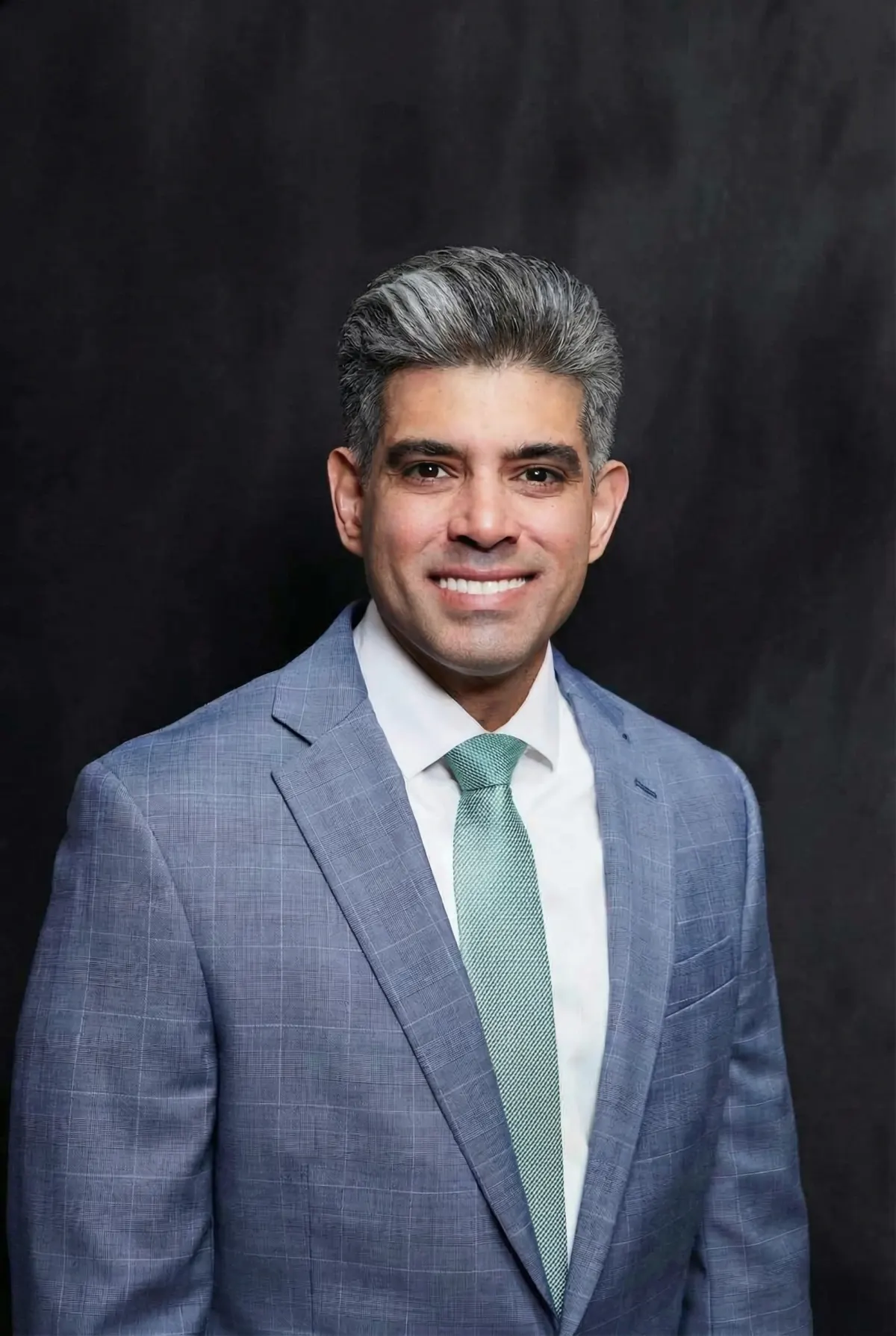
Legally reviewed by Tonmiel Rodriguez, Board Certified Criminal Trial Lawyer — last reviewed June 2026.
You got arrested. Maybe it was a DUI after a campus party, a drug charge during a traffic stop on US-98, or a fight outside a bar in downtown Lakeland. Whatever happened, right now your head is spinning — not just about court, but about your financial aid, your scholarship, your housing, your degree, your future career. The criminal charge is serious. Everything it threatens is even more serious.
I’m Tonmiel Rodriguez, a Board Certified Criminal Trial Lawyer in Bartow, Florida. I’ve defended thousands of cases in the 10th Judicial Circuit — Polk, Highlands, and Hardee Counties — and I understand exactly what’s at stake when a college student walks into my office. A misdemeanor that might be a minor inconvenience for someone else can derail years of work for a student. The goal is to protect your record, protect your aid, and protect your future.
Who This Affects: Polk County’s College Community
Polk County is home to a significant college population. Students at Polk State College (Lakeland and Winter Haven campuses), Florida Polytechnic University (Auburndale), Southeastern University (Lakeland), Warner University (Lake Wales), and Webber International University (Babson Park) all live and socialize in communities policed by the Polk County Sheriff’s Office, Lakeland Police Department, Winter Haven Police Department, and Florida Highway Patrol.
Students face unique vulnerabilities: they’re in a new environment, often away from family support, and sometimes unaware of how quickly a night can turn into a criminal case. And when it does, the consequences run on two separate tracks — the criminal courts and the university.
Common Charges Against College Students
DUI — Florida § 316.193
A DUI arrest at 19 is not the same as one at 35. The consequences hit harder and last longer. A first DUI conviction means fines up to $1,000, up to 6 months in jail (though jail is not typical for a clean first offense), 6 to 12 months license revocation, mandatory DUI school, and a permanent mark on your driving record. But for a student, the collateral damage — FAFSA eligibility, campus housing, professional licensing down the road — often matters more than the fine.
Drug Possession — Florida § 893.13
Possession of marijuana under 20 grams is a first-degree misdemeanor. Possession of cocaine, MDMA, or prescription pills without a valid prescription is a third-degree felony. Either charge can cost you your federal financial aid under 20 U.S.C. § 1091(r) — a law that suspends Title IV eligibility (Pell grants, subsidized loans, work-study) upon drug conviction. Even a plea or adjudication of guilt on a misdemeanor possession charge triggers it.
Underage Drinking — Florida § 562.111
Possession or consumption of alcohol by a person under 21 is a second-degree misdemeanor — up to 60 days in jail and a $500 fine. These charges often arise from campus parties, open-container stops on public streets, or MIP (Minor in Possession) arrests. First-time offenders typically qualify for diversion if handled correctly from the start.
Theft / Retail Theft — Florida § 812.014
Campus shoplifting or theft charges carry consequences beyond the courtroom. A theft conviction — even a misdemeanor — must often be disclosed on professional licensing applications for law, medicine, nursing, education, real estate, and more. The Florida Department of Business and Professional Regulation reviews moral character. A single theft conviction can derail a professional career before it starts.
Assault / Battery — Florida §§ 784.011, 784.03
A fight at a party or a confrontation on campus can result in simple assault (second-degree misdemeanor) or battery (first-degree misdemeanor). If weapons or serious injury are involved, charges escalate to felony territory quickly. Campus altercations also trigger student conduct proceedings, which are separate from and faster than criminal courts.
The Two-Track Problem: Criminal Court AND Student Conduct
This is the piece most students miss: your school can discipline you — including suspension or expulsion — on a lower standard of proof than a criminal court requires. Criminal court requires proof beyond a reasonable doubt. A student conduct board may find a violation by a preponderance of the evidence (more likely than not). You can win in criminal court and still lose at school.
The two proceedings are also independent. Your Fifth Amendment right to remain silent applies in court, but if you refuse to speak at a student conduct hearing, the board may draw negative inferences. Strategy for both tracks must be coordinated from the beginning — ideally before you say a word in either forum.
How a Criminal Charge Affects Financial Aid
Under 20 U.S.C. § 1091(r), a student convicted of a drug offense while receiving Title IV federal aid becomes ineligible for further aid for the following periods:
| Offense | 1st Conviction | 2nd Conviction | 3rd+ Conviction |
|---|---|---|---|
| Drug Possession | 1 year | 2 years | Indefinite |
| Drug Sale/Distribution | 2 years | Indefinite | Indefinite |
Restoring eligibility requires completing an approved drug rehabilitation program with random drug tests, or having the conviction reversed, set aside, or expunged. Avoiding conviction in the first place — through diversion, dismissal, or acquittal — is the cleanest solution.
Graduate School, Professional Licensing, and Background Checks
Bar applications in Florida ask about all prior arrests and criminal history. Medical licensing boards, nursing boards, education certification, and law enforcement applications do the same. A conviction — even a sealed one in some circumstances — can follow you for decades. The time to protect your record is now, before a conviction happens, not after.
Law school applications typically ask about criminal history, including arrests not resulting in conviction. So does the Bar. Treating a college charge as minor because you’re “just a student” is a mistake that shows up 10 years later when you’re trying to get admitted to practice.
Defense Strategies for Student Cases
Diversion and Deferred Prosecution: First-time offenders in Polk County may qualify for the State Attorney’s diversion program. Successful completion results in dismissal of the charge — no conviction, no record. This is often the best available outcome for a student with no prior record.
Drug Court: For drug-related charges, Polk County Drug Court provides a supervised treatment alternative that can result in dismissal. It’s rigorous, but it protects your record.
Challenging the Stop or Search: Many student cases involve a traffic stop or encounter where the officer exceeded his lawful authority. If evidence was obtained illegally, a motion to suppress can eliminate it — and often eliminate the entire case.
Negotiated Reduction: Even when diversion isn’t available, charges can often be reduced — a DUI to reckless driving, a felony possession to a misdemeanor, a battery to disorderly conduct. Each step down reduces the permanent damage to your record.
Expungement After Resolution: Florida Statute § 943.0585 allows first-time offenders who avoid conviction to petition for expungement of the arrest record. Once expunged, you can lawfully deny the arrest in most circumstances. This is the endgame for students — resolve the case favorably, then clean the record. Learn more at /seal-expunge-record/. If you qualify as a first-time offender, your options are broader than you think.
What to Do Right Now
Do not talk to police, campus security, or student conduct investigators without a lawyer. They are not on your side. Anything you say can and will be used in both the criminal and student conduct proceedings. Your Fifth Amendment right applies in the criminal case — but you need strategy for the school process too.
Do not post about the incident on social media. Screenshots last forever and have appeared in student conduct hearings.
This will not go away on its own, and every day that passes without a lawyer is a day your options narrow.
Frequently Asked Questions
Can a drug charge get me kicked out of college in Florida?
Yes — on two fronts. A drug conviction can suspend your federal Title IV financial aid under 20 U.S.C. § 1091(r). Separately, your school’s student conduct code can discipline you based on the same underlying facts, even if the criminal case resolves favorably. The criminal and school proceedings are independent of each other.
What happens if I’m charged with underage drinking in Florida?
Possession of alcohol by a person under 21 under § 562.111 is a second-degree misdemeanor — up to 60 days in jail and a $500 fine. More important than the fine is the record. First-time offenders often qualify for diversion, which means no conviction and a path to expungement.
Will I lose my scholarship if I’m arrested?
An arrest alone doesn’t automatically trigger scholarship loss. A conviction might, depending on your scholarship agreement’s conduct clause. The goal is to resolve the case without a conviction — which is achievable for many first-time offenders through diversion, negotiation, or trial.
What is expungement and can I get it as a college student?
Expungement under § 943.0585 seals your arrest record from public view. First-time offenders who avoid conviction — through diversion or dismissal — typically qualify. Florida only allows one expungement or sealing in a lifetime, so the strategy and timing matter. See Seal & Expunge Your Record for the full process.
Do I have to tell my school about my arrest?
That depends on your school’s student code and any agreements you signed. Some scholarship and housing contracts require self-reporting of arrests. Do not disclose anything before consulting a lawyer — you need to understand your obligations and rights in both the criminal and school proceedings before saying a word in either one.
Your Future Is Worth Defending
One charge doesn’t have to end your education, your financial aid, or your career. Call now for a free, confidential consultation with a Board Certified Criminal Trial Lawyer who handles student cases across Polk, Highlands, and Hardee Counties.
(863) 774-4556
Free Consultation · Hablamos Español · Reach Us 24/7
Which Colleges Are in Polk County and What Charges Do Students Face?
Polk County is home to several colleges and universities, including Polk State College (Winter Haven and Lakeland campuses), Florida Polytechnic University (Lakeland), Southeastern University (Lakeland), Warner University (Lake Wales), and Webber International University (Babson Park). Students from these institutions appear in the 10th Judicial Circuit’s criminal court system regularly. The most common charges involve alcohol-related offenses, marijuana and drug possession, DUI, theft, domestic battery between students in relationships, and occasionally more serious offenses that arose from a situation that started as a minor incident.
Polk State College, as a public institution, also has a student code of conduct process that runs separately from any criminal case. Florida Polytechnic, Southeastern, and other schools have their own conduct codes. These school processes can result in suspension or expulsion independent of what happens in the criminal court. A student who beats the criminal charge may still face dismissal from school under a conduct code that uses a lower standard of proof than the criminal system.
Financial Aid and a Drug Conviction — What You Need to Know
Federal law under 20 U.S.C. § 1091(r) creates a period of ineligibility for federal student financial aid — including Pell Grants, Stafford Loans, and work-study — upon conviction for certain drug offenses while receiving Title IV aid. A first conviction for drug possession triggers one year of ineligibility. A second conviction triggers two years. A third conviction results in indefinite ineligibility. A conviction for drug sale or distribution triggers two years for a first offense and indefinite ineligibility for a second offense.
These consequences apply regardless of whether the conviction is a felony or a misdemeanor. A simple possession charge that results in a misdemeanor conviction can cost a student a year of federal financial aid. For students who depend on that aid to continue their education, this is potentially a greater consequence than the fine and probation in the criminal case.
The path around this consequence is to avoid conviction. Diversion programs, deferred adjudication, and withheld adjudications — outcomes short of conviction — do not trigger the financial aid ineligibility. This is precisely why the goal in college student drug cases must be no conviction, not just a minor penalty. Attorney Rodriguez understands this and structures the defense strategy accordingly.
Facing Serious Charges? Call Now — Reach Us 24/7
Attorney Tonmiel Rodriguez is a Board Certified Criminal Trial Lawyer with over 75 jury trials. He defends clients throughout the 10th Judicial Circuit — Polk, Highlands, and Hardee Counties. Hablamos Español.
Board Certified in Criminal Trial Law by The Florida Bar · Reach Us 24/7 · Hablamos Español
Diversion Programs Available to First-Time Offenders in Polk County
Polk County’s State Attorney’s Office offers diversion programs for certain first-time offenders. Diversion typically involves completing community service, paying restitution if applicable, attending an educational program, and staying out of trouble for a defined period. Upon successful completion, the charge is dismissed. A dismissed charge after diversion may be eligible for expungement under Florida § 943.0585 — which would allow the arrest record itself to be sealed from public view.
Not every charge qualifies for diversion, and the State Attorney has discretion in offering it. Factors that affect diversion eligibility include: the nature of the charge, the defendant’s prior record, the specific facts of the case, and the victim’s position if there is one. Having an attorney advocate for diversion, present the client favorably, and navigate the process correctly significantly increases the chances of an offer and successful completion.
For college students, diversion is often the single best outcome available: no conviction, possible expungement, no financial aid consequence, no professional licensing consequence, and no permanent criminal record visible to employers. The window to seek diversion opens early in the case and may close as the case progresses. Engaging a lawyer immediately after an arrest is the best way to preserve all available options.
Campus Conduct Process vs. Criminal Case — Managing Both
When a student is arrested on or near campus, the school’s conduct office may open a separate investigation. The school’s conduct process is civil, not criminal — it uses a “preponderance of the evidence” (more likely than not) standard, not the “beyond a reasonable doubt” standard of the criminal court. This means a student can be found responsible in a campus proceeding even when the criminal case is dismissed.
Statements made in the campus conduct process can sometimes be used in the criminal case. Conversely, statements made to law enforcement can be disclosed to the school. These two parallel proceedings create a minefield of potential self-incrimination that students navigating without legal counsel often stumble into. An attorney who understands both proceedings can advise the student on how to navigate the campus conduct process without inadvertently damaging the criminal defense.
Related practice areas: drug charges, DUI defense, expungement and sealing, and misdemeanor defense in Polk County and throughout the 10th Judicial Circuit.
Don’t Wait — Every Hour Counts After an Arrest
The decisions you make in the first 48 hours after an arrest can shape the entire trajectory of your case. Call Attorney Rodriguez now for a direct, honest assessment. Board Certified. Hablamos Español. Reach Us 24/7.
Board Certified · Reach Us 24/7 · Hablamos Español
Your Defense Starts With One Call
The Rodriguez Law Office handles serious criminal charges throughout Polk, Highlands, Hardee, Osceola, and Hillsborough Counties. Board Certified Criminal Trial Lawyer. 75+ jury trials. Hablamos Español. Reach Us 24/7. Located less than one mile from the Polk County Courthouse.
Board Certified · Reach Us 24/7 · Hablamos Español