
Fraud charges in Florida under Chapter 817, Florida Statutes, cover a wide spectrum of deceptive conduct — from worthless check offenses carrying up to 1 year in jail to organized scheme to defraud involving $50,000 or more, which is a first-degree felony carrying up to 30 years in state prison. The essential element in every fraud charge is specific intent to deceive and obtain property or money through that deception. Because these investigations are often lengthy and paper-heavy, the best time to engage a defense attorney is before charges are formally filed — before the case is set in stone and before the prosecution has locked in its charging decisions.
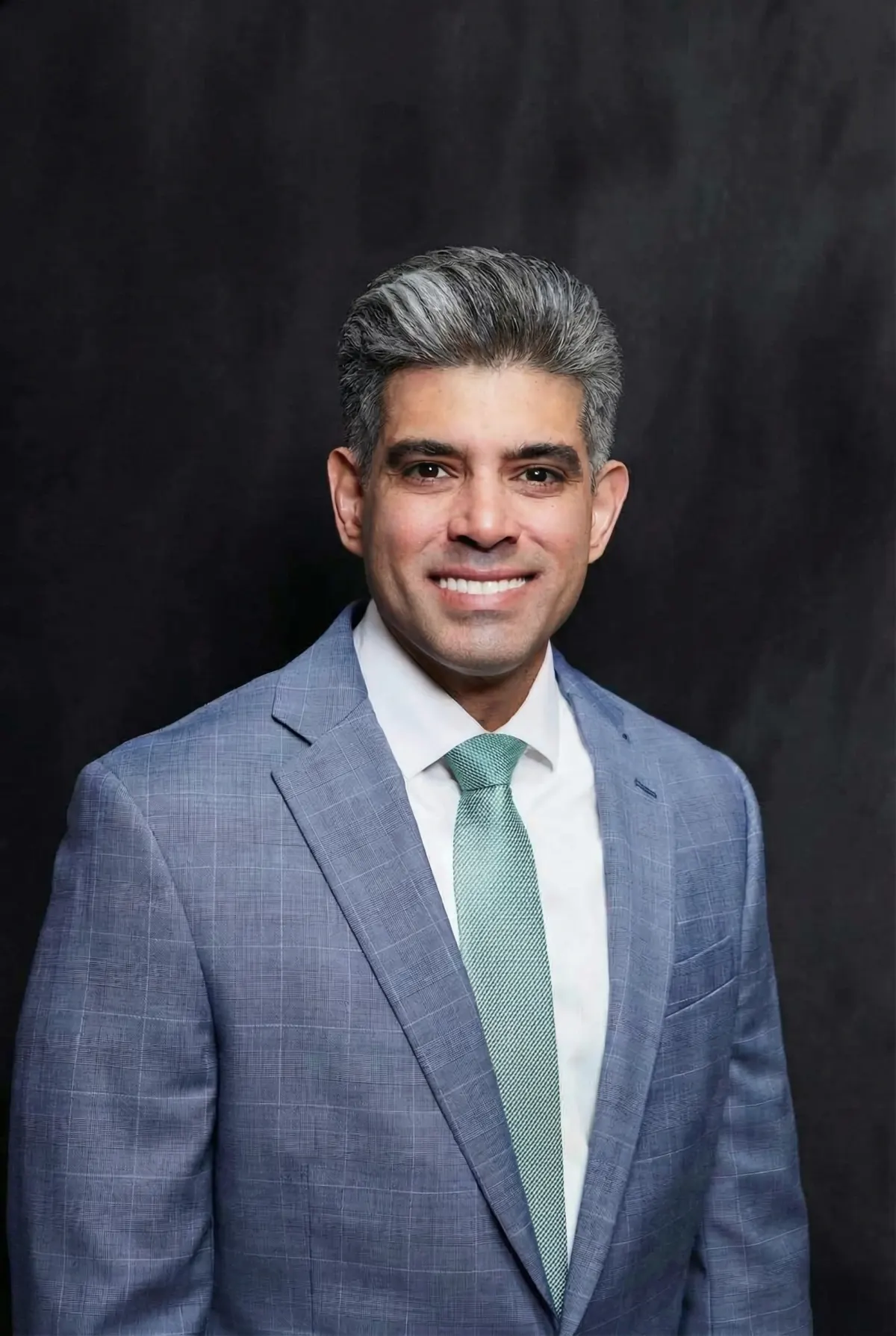
Legally reviewed by Tonmiel Rodriguez, Board Certified Criminal Trial Lawyer — last reviewed June 2026.
Facing Property Crime Charges in Polk County?
Board Certified in Criminal Trial Law by The Florida Bar · Reach Us 24/7 · Hablamos Español
What Are the Most Common Fraud Charges in Florida Courts?
Chapter 817 contains dozens of specific fraud offenses. The most frequently charged in Polk County courts include: Scheme to defraud under § 817.034 — a systematic course of conduct using false representations to obtain money or property. Fraudulent use of a credit card under § 817.61 — using another person’s credit card without authorization. Worthless check under § 832.05 — issuing a check knowing it will be dishonored. Insurance fraud under § 817.234 — submitting false insurance claims, staging accidents, or submitting fraudulent documentation. Mortgage fraud under § 817.545 — making false statements on mortgage applications. Communications fraud under § 817.034(4) — using wire, mail, or electronic communications to execute a fraudulent scheme. Contractor fraud — taking money for construction work without completing it or with intent not to perform.
What Are the Penalties for Fraud Under Florida Law?
Scheme to defraud under § 817.034 is tiered by amount: under $300 is a first-degree misdemeanor (up to 1 year); $300–$19,999 is a third-degree felony (up to 5 years); $20,000–$49,999 is a second-degree felony (up to 15 years); $50,000 or more is a first-degree felony (up to 30 years). Organized fraud involving 20 or more victims is a first-degree felony regardless of the amount obtained. These tiers apply whether or not the fraud was ultimately successful — attempted fraud carries the same penalties as completed fraud.
Insurance fraud under § 817.234 mirrors the scheme to defraud structure: under $20,000 is a third-degree felony, $20,000–$100,000 is a second-degree felony, and over $100,000 is a first-degree felony. Mortgage fraud under § 817.545 is generally a third-degree felony but can be elevated based on loan amount and number of transactions. Worthless check offenses under § 832.05 range from misdemeanor to felony depending on amount and the defendant’s check-writing history.
What Must the State Prove in a Florida Fraud Case?
The foundational element in every fraud prosecution is specific intent to defraud. The state must prove you acted with a conscious, deliberate purpose to deceive and obtain something of value through that deception. Good-faith mistakes, business disputes, failed business ventures, and financial misunderstandings are not fraud. The line between criminal fraud and civil breach of contract runs directly through this intent element. Whether the same conduct is fraud or simply a business that failed turns on the defendant’s state of mind at the time.
What Are the Most Effective Defenses to Fraud Charges?
How Does Lack of Intent Defeat a Fraud Charge?
Honest belief in a representation — even a false one — is not fraud. A contractor who genuinely believed they could complete the work on time and on budget but failed due to circumstances beyond their control is not guilty of fraud. An investment promoter who genuinely believed in the investment and lost money alongside investors did not defraud them. I build the intent defense by documenting everything that shows my client’s genuine belief, good-faith efforts to perform, and the circumstances that led to failure rather than fraud. This evidence frequently includes communications, business records, financial documents, and third-party witnesses.
How Does Challenging the Prosecution’s Loss Calculation Work?
Fraud charges are tiered by the amount obtained. If the prosecution’s calculation overstates the actual loss: by counting amounts the victim was never actually deprived of, or by including speculative damages, I challenge those calculations directly. Reducing the amount below a threshold can significantly reduce the charge level and sentencing exposure. I work with forensic accountants in complex financial fraud cases to produce competing loss calculations that accurately reflect what the evidence actually supports.
What Fourth Amendment Challenges Arise in Fraud Cases?
Fraud investigations frequently involve search warrants for financial records, email accounts, computers, and business documents. If the warrant was not supported by adequate probable cause, was overbroad, or if law enforcement exceeded the warrant’s authorization, suppression is available. Financial records obtained from third parties — banks, financial institutions, email providers — may require notice procedures that law enforcement sometimes fails to follow correctly. I scrutinize every search warrant and every third-party disclosure for constitutional violations that could suppress critical evidence.
Your Record Deserves an Aggressive Defense
Board Certified · Reach Us 24/7 · Hablamos Español
What Are the Special Concerns in Contractor Fraud Cases?
Contractor fraud charges arise when a contractor takes a deposit for work they fail to perform or perform incompletely. The key distinction between criminal fraud and civil contract breach is intent at the time of taking the deposit: if the contractor genuinely intended to perform and later failed due to financial difficulties or circumstances beyond their control, no fraud occurred. Many contractor fraud prosecutions arise from civil disputes that escalate when the victim files a criminal complaint. Early intervention by a criminal defense attorney can sometimes prevent charges from ever being filed by demonstrating the lack of fraudulent intent and facilitating a civil resolution.
What Should You Do If You Are Under Investigation for Fraud in Florida?
If law enforcement has contacted you, served a search warrant, or if you have reason to believe you are a target of a fraud investigation — contact a defense attorney immediately. Do not wait for charges to be filed. Do not consent to interviews without a lawyer present. Do not produce business records in response to informal requests without attorney review. Contact (863) 774-4556 — reach us 24/7. For related offenses, see the identity theft defense page and the Theft and Property Crimes hub.
Call Now — Reach a Receptionist 24/7
Board Certified · Reach Us 24/7 · Hablamos Español
Frequently Asked Questions About Fraud Defense in Florida
What are the most common fraud charges in Florida?
The most frequently charged fraud offenses in the 10th Judicial Circuit include scheme to defraud under § 817.034, worthless check offenses under § 832.05, fraudulent use of a credit card under § 817.61, insurance fraud under § 817.234, contractor fraud, and communications fraud. Each offense has specific elements, penalty ranges, and defenses.
What is the penalty for fraud in Florida?
Under § 817.034: under $300 is a misdemeanor. $300–$19,999 is a third-degree felony (up to 5 years). $20,000–$49,999 is a second-degree felony (up to 15 years). $50,000 or more, or schemes with 20 or more victims, is a first-degree felony (up to 30 years). The prosecution’s loss calculation is almost always contested because it directly determines the tier and maximum sentence.
What is a scheme to defraud under Florida law?
A scheme to defraud under § 817.034 is a systematic, ongoing course of conduct with intent to defraud or to obtain property through false representations or promises. A key element distinguishing it from a single misrepresentation is the pattern — the statute requires a systematic course of conduct, not just one false statement. This element is often contested in cases arising from business disputes or isolated transactions.
Can a worthless check charge be dismissed?
Yes. Under § 832.07, making good on the dishonored check within 7 days of written notice may provide a complete defense. First-time offenders often qualify for pre-trial diversion programs resulting in dismissal upon restitution and program completion. Many worthless check prosecutions are driven by creditors using the criminal process as a collection tool — situations that a defense attorney can often resolve without a conviction.
What is insurance fraud in Florida?
Insurance fraud under § 817.234 includes making false insurance claims, staging accidents, inflating covered losses, and submitting fraudulent supporting documentation. Penalties: under $20,000 is a third-degree felony (up to 5 years); $20,000–$100,000 is a second-degree felony (up to 15 years); over $100,000 is a first-degree felony (up to 30 years). These investigations are frequently joint operations between insurance company SIU investigators and law enforcement, often involving months of pre-arrest investigation.
What is the statute of limitations for fraud charges?
One year for misdemeanor fraud. Three years for most felony fraud. Extended periods apply for fraud involving financial institutions or securities. The discovery rule may toll the limitations period when the fraud was not reasonably discoverable until a later date. If you believe the statute of limitations may have expired on alleged conduct, this is an important issue to raise with your attorney at the outset of representation.
What Is the Florida Anti-Fraud Alliance and How Does It Affect Prosecutions?
Florida’s State Attorney offices work closely with the Florida Division of Insurance Fraud, the Florida Office of Financial Regulation, and the Florida Department of Law Enforcement in investigating and prosecuting financial and insurance fraud cases. These joint-agency task forces have significantly increased the prosecution rate of fraud cases in the 10th Judicial Circuit over the past decade. When a fraud investigation involves multiple agencies, the prosecution’s discovery is typically more voluminous, the evidence more thoroughly documented, and the prosecution team more experienced than in a standard single-offense case. Defendants in multi-agency fraud investigations benefit from having defense counsel who is familiar with the inter-agency investigation protocols and who knows how to challenge evidence gathered across multiple investigative sources. I have represented clients in complex multi-agency fraud cases in Polk County and understand the unique discovery and evidentiary challenges these cases present.
What Is the Difference Between Civil Fraud and Criminal Fraud in Florida?
The line between a civil breach of contract and criminal fraud is one of the most frequently litigated questions in Florida fraud cases. Both involve a party failing to deliver what was promised — but criminal fraud requires the specific intent to deceive at the time of the representation, while civil breach requires only a failure to perform regardless of intent. Many defendants are prosecuted criminally for conduct that was at most a civil dispute — a contractor who took deposits and failed to perform, an investor who lost other people’s money on a genuinely believed investment, a business owner who misrepresented financial conditions while trying to save a struggling company. I aggressively challenge the prosecution’s characterization of civil failures as criminal fraud by presenting evidence of the defendant’s genuine intent to perform, the circumstances that led to failure, and the absence of any unjust enrichment with fraudulent purpose.
What Is the Role of Expert Witnesses in Florida Fraud Defense Cases?
Complex fraud cases frequently benefit from expert witness testimony on both sides. For the defense, expert witnesses serve several critical functions: forensic accountants to produce competing loss calculations and show that the prosecution’s damage figure is overstated, and industry experts who can establish the standard practices that apply in mortgage, insurance, or business-transaction cases. The prosecution also frequently uses expert witnesses, and I retain experts to evaluate and challenge the prosecution’s expert opinions before trial. Expert testimony can be the difference between conviction and acquittal in complex financial fraud cases where the outcome depends on technical analysis of financial records rather than eyewitness accounts.
Contact The Rodriguez Law Office Now
Board Certified · Reach Us 24/7 · Hablamos Español
Fraud charges in Polk County require a defense attorney who understands both the technical elements of the specific fraud statute charged and the practical dynamics of how the State Attorney handles financial crime cases in the 10th Judicial Circuit. Call (863) 774-4556 now for a free, confidential case evaluation. Attorney Rodriguez is available 24 hours a day, seven days a week, including weekends and holidays. Board Certified. 75 jury trials. Hablamos Español. Do not wait to call.