
You’ve spent years caring for an elderly parent, a disabled family member, or a vulnerable patient — and now the state of Florida is accusing you of abuse or neglect. These charges carry enormous stigma and serious criminal consequences. They are also sometimes based on misunderstandings of complex medical conditions, caregiver burnout situations, or family disputes that have been funneled into criminal allegations. Before Adult Protective Services or law enforcement shapes this narrative entirely on their terms, you need a Board Certified Criminal Trial Lawyer in your corner.
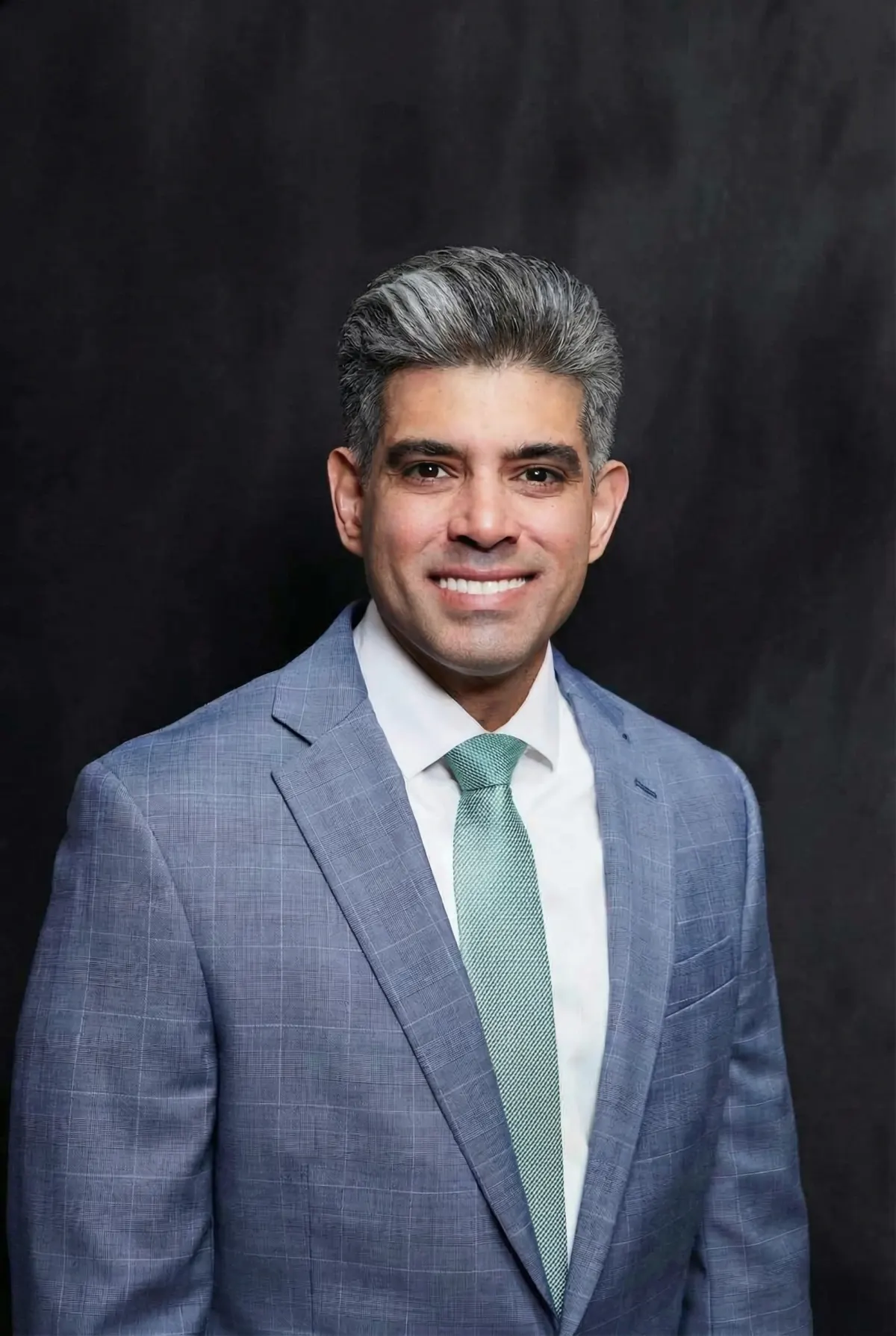
Legally reviewed by Tonmiel Rodriguez, Board Certified Criminal Trial Lawyer — last reviewed June 2026.
Florida Elder Abuse Law — Three Tiers of Criminal Liability
Florida § 825.102 creates three distinct levels of criminal conduct involving elderly persons and disabled adults. Florida Standard Jury Instructions 29.20, 29.21, and 29.22 govern each level. Understanding which tier applies to your case determines the sentencing exposure you face.
Tier 1: Abuse — § 825.102(1) — Third-Degree Felony
Abuse of an elderly person or disabled adult is the intentional infliction of physical or psychological injury upon them, or any intentional act that could reasonably be expected to result in physical or psychological injury to the victim. The State must prove:
- The defendant intentionally inflicted physical or psychological injury upon an elderly person or disabled adult, OR
- The defendant committed an intentional act that could reasonably be expected to result in physical or psychological injury to the victim.
- The victim was an elderly person (age 60+) or a disabled adult as defined by § 825.101.
This is a third-degree felony — up to 5 years in prison. Even at that level, the stigma, the collateral consequences, and the damage to caregiving careers and professional licenses make the charge life-altering regardless of the sentence.
Tier 2: Aggravated Abuse — § 825.102(2) — First-Degree Felony
Aggravated abuse is far more serious and covers conduct in one of two categories. The State must prove the defendant:
- Committed an aggravated battery on an elderly person or disabled adult, OR
- Willfully tortured, maliciously punished, or caged an elderly person or disabled adult, OR
- Knowingly and willfully abused the victim in a manner that caused great bodily harm, permanent disability, or permanent disfigurement.
Aggravated abuse is a first-degree felony with a maximum sentence of 30 years. The sentencing scoresheet for this offense is weighted heavily, and the societal outrage that follows high-profile elder abuse cases can translate into pressure on prosecutors to push for maximum sentences.
Tier 3: Neglect — § 825.102(3)
Neglect applies only to caregivers, and it is based on what the defendant failed to do rather than on any affirmative act. The State must prove a caregiver’s failure or omission to:
- Provide the care, supervision, and services necessary to maintain the physical and mental health of the elderly person or disabled adult, OR
- Make a reasonable effort to protect the victim from abuse, neglect, or exploitation by another person.
Neglect causing physical or psychological injury is a third-degree felony. Neglect causing great bodily harm, permanent disability, or permanent disfigurement is a second-degree felony — up to 15 years.
Penalties Summary
| Offense | Statute | Felony Degree | Maximum Prison |
|---|---|---|---|
| Elder Abuse | § 825.102(1) | 3rd Degree | 5 years |
| Aggravated Elder Abuse | § 825.102(2) | 1st Degree | 30 years |
| Neglect (injury) | § 825.102(3)(a) | 3rd Degree | 5 years |
| Neglect (great bodily harm/disability/disfigurement) | § 825.102(3)(b) | 2nd Degree | 15 years |
| Exploitation (property $10K-$50K) | § 825.103(3)(b) | 2nd Degree | 15 years |
| Exploitation (property ≥$50K) | § 825.103(3)(a) | 1st Degree | 30 years |
Elder Exploitation — § 825.103
Florida § 825.103 separately criminalizes financial exploitation of elderly persons and disabled adults. Exploitation is knowingly obtaining or using, or attempting to obtain or use, an elderly person’s or disabled adult’s funds, assets, or property by:
- Deception, intimidation, or undue influence, to temporarily or permanently deprive them of the use, benefit, or possession of the funds or property, OR
- Misappropriation, misuse, or unauthorized use of funds, assets, or property entrusted to the defendant’s care, OR
- Obtaining or using property with the intent to temporarily or permanently deprive the victim of the property.
Exploitation charges frequently arise in the context of caregivers who have access to finances, family members acting under power of attorney, or individuals who develop relationships with isolated elderly persons. The penalties scale with the value of the property involved, reaching a first-degree felony for amounts over $50,000.
Who Can Be Charged — The Caregiver Definition
Neglect charges under § 825.102(3) can only be brought against a caregiver. Under Florida § 825.101, a caregiver is a person who has been entrusted with or who has assumed the responsibility for the care, welfare, or supervision of an elderly person or disabled adult. This includes:
- Relatives living with or providing care to an elderly family member
- Paid home health aides and in-home caregivers
- Nursing home and assisted living facility staff
- Adult family care home operators
- Anyone else who has undertaken responsibility for the victim’s care
Abuse charges under §§ 825.102(1) and (2), however, are not limited to caregivers — anyone who commits abuse against a qualifying victim can be charged.
Defense Strategies
1. Lack of Intent
Elder abuse under § 825.102(1) requires intentional conduct. Accidental injury during caregiving — a fall during a transfer, a bruise during bathing, medication errors — may be tragic but is not criminal abuse. Distinguishing intentional infliction from accidents or medical complications is often the core factual dispute in these cases.
2. Alternative Medical Explanation
Many abuse allegations arise when medical personnel observe injuries on elderly or disabled patients and report suspected abuse to Adult Protective Services or law enforcement. But elderly patients bruise easily, fall frequently, have fragile bones, and develop pressure injuries from limited mobility. Medical experts can provide alternative explanations for physical findings that prosecutors interpret as abuse.
3. No Caregiver Relationship (Neglect Charges)
Neglect requires a caregiver relationship. If the defendant had no legal or assumed responsibility for the victim’s care, the neglect statute does not apply. The existence and scope of a caregiver relationship is a factual question that must be proved by the State.
4. Victim Credibility and Cognitive Capacity
In cases where the elderly or disabled victim is the primary witness, their cognitive capacity and reliability as a witness become relevant. Dementia, Alzheimer’s, or other cognitive impairments can affect the accuracy and reliability of testimony. This must be addressed carefully and respectfully — but it is a legitimate defense consideration.
5. Family Conflict and Motivated Reporting
Elder abuse and exploitation allegations sometimes arise in the context of family disputes over inheritances, caregiving responsibilities, or financial control. When family members with competing interests are the ones reporting alleged abuse, their motive and credibility are legitimate subjects of challenge.
Frequently Asked Questions
What is elder abuse under Florida law?
Elder abuse under § 825.102(1) is the intentional infliction of physical or psychological injury upon an elderly person or disabled adult, or intentional acts that could reasonably be expected to result in physical or psychological injury. It is a third-degree felony.
What is aggravated elder abuse?
Aggravated elder abuse under § 825.102(2) is committing an aggravated battery on an elderly person or disabled adult, or willfully torturing, maliciously punishing, caging, or knowingly and willfully abusing an elderly person or disabled adult in a way that causes great bodily harm, permanent disability, or permanent disfigurement. It is a first-degree felony punishable by up to 30 years.
What is neglect of an elderly person?
Neglect under § 825.102(3) is a caregiver’s failure to provide an elderly person or disabled adult with necessary care, or failure to protect them from abuse or exploitation. It is a third-degree felony, elevated to a second-degree felony if the neglect caused great bodily harm, permanent disability, or disfigurement.
What is elder exploitation in Florida?
Exploitation of an elderly person under § 825.103 is knowingly obtaining or using an elderly person’s property by deception, intimidation, or undue influence to deprive them of it. Penalties range from a third-degree felony to a first-degree felony based on the value of the property involved.
Who can be charged with elder neglect?
Only a caregiver — a person who has been entrusted with or who has assumed responsibility for the care, welfare, or supervision of an elderly person or disabled adult. Family members, facility staff, paid aides, and others who undertake a caregiving role all qualify.
Related Practice Areas
Charged with Elder Abuse, Neglect, or Exploitation in Polk, Highlands, or Hardee County?
These charges carry up to 30 years in prison and permanent damage to your career and reputation. Medical complexity and family dynamics make these cases defensible — but only with the right lawyer. Call now.
Board Certified in Criminal Trial Law by The Florida Bar · Reach Us 24/7 · Hablamos Español
How Are Elder Abuse Cases Investigated in Florida?
Elder abuse and neglect investigations in Florida involve multiple agencies. The Florida Department of Children and Families (DCF) Adult Protective Services (APS) division investigates most reports of abuse, neglect, and exploitation of elderly persons and disabled adults. Law enforcement — typically the Polk County Sheriff’s Office, Bartow Police Department, or a municipal police agency — conducts the criminal investigation. In financial exploitation cases, the State Attorney’s Office may involve economic crimes investigators. These parallel investigations can proceed simultaneously, and information from the DCF civil investigation can be used in the criminal prosecution.
Cases originating in nursing homes, assisted living facilities, or other regulated settings may also involve investigation by the Agency for Health Care Administration (AHCA) and can result in both criminal charges and civil regulatory action against the facility. If you are a caregiver employed by a healthcare facility, you face not only criminal prosecution but potential loss of your employment and any healthcare-related professional license.
One of the most challenging aspects of elder abuse defense is the reliability of the complainant’s testimony. What an impaired complainant reports as intentional abuse may be a misperception of ordinary caregiving activities, and what appears as “unexplained bruising” may have a medical explanation. A defense attorney who understands forensic medicine and is willing to retain qualified medical experts can challenge the State’s evidence at its foundation.
Facing Serious Charges? Call Now — Reach Us 24/7
Attorney Tonmiel Rodriguez is a Board Certified Criminal Trial Lawyer with over 75 jury trials. He defends clients throughout the 10th Judicial Circuit — Polk, Highlands, and Hardee Counties. Hablamos Español.
Board Certified · Reach Us 24/7 · Hablamos Español
Defending Caregivers Against Elder Abuse and Neglect Charges
Many elder abuse and neglect charges arise in caregiving contexts — family members providing in-home care, professional caregivers in assisted living or memory care facilities, and home health aides. In these cases, the line between criminal neglect and the inherent limitations of caregiving for a severely ill or frail patient is often blurred, and prosecutors do not always draw that line carefully.
Florida § 825.102(3) defines neglect as a caregiver’s failure or omission to provide the care, supervision, and services necessary to maintain the elderly person’s physical and mental health. But what constitutes “necessary” care is a medical question, not just a legal one. Patients with dementia, Parkinson’s disease, or advanced illness may decline even under optimal care, so a poor outcome is not proof of a caregiver’s failure. When the State charges neglect based on these outcomes without investigating whether they were preventable, the defense must present medical testimony that explains the clinical picture.
Caregiver burnout is a real phenomenon that the criminal justice system rarely accounts for. Family members providing around-the-clock care for aging parents with complex medical needs sometimes make decisions — about restraints, medications, or level of care — that prosecutors later characterize as criminal. These cases require a lawyer who can pair the statutory elements with medical testimony about the patient’s condition and the standard of care a reasonable caregiver could provide.
Financial Exploitation of the Elderly — § 825.103
Elder exploitation under § 825.103 charges are among the most prosecuted financial crimes in Florida. They range from a family member using a power of attorney to transfer assets to themselves, to professional financial advisors, attorneys, or caregivers who take advantage of a vulnerable person’s diminished capacity. The threshold amounts determine the degree of felony: under $10,000 is a third-degree felony; $10,000 to $50,000 is a second-degree felony; $50,000 or more is a first-degree felony with up to 30 years in prison.
Financial exploitation cases often turn on two questions: Did the victim have the mental capacity to consent to the transfer? Was the transfer a gift or authorized transaction, or was it the product of deception, intimidation, or undue influence? These questions require review of medical records documenting the victim’s cognitive status, financial records showing the pattern of transfers, and often testimony from financial experts and neuropsychologists about capacity and influence.
Elder exploitation charges frequently arise within families during periods of illness and estate planning. Not every family member who receives money or property from an elderly parent has engaged in criminal exploitation. The question is whether the transfer was consented to by a person with the capacity to consent, or whether it was obtained through improper means. That distinction requires careful factual and legal analysis.
Related practice areas: theft and fraud charges, domestic violence defense, and professional license defense in Polk, Highlands, Hardee, Osceola, and Hillsborough Counties.
Don’t Wait — Every Hour Counts After an Arrest
The decisions you make in the first 48 hours after an arrest can shape the entire trajectory of your case. Call Attorney Rodriguez now for a direct, honest assessment. Board Certified. Hablamos Español. Reach Us 24/7.
Board Certified · Reach Us 24/7 · Hablamos Español
Your Defense Starts With One Call
The Rodriguez Law Office handles serious criminal charges throughout Polk, Highlands, Hardee, Osceola, and Hillsborough Counties. Board Certified Criminal Trial Lawyer. 75+ jury trials. Hablamos Español. Reach Us 24/7. Located less than one mile from the Polk County Courthouse.
Board Certified · Reach Us 24/7 · Hablamos Español