
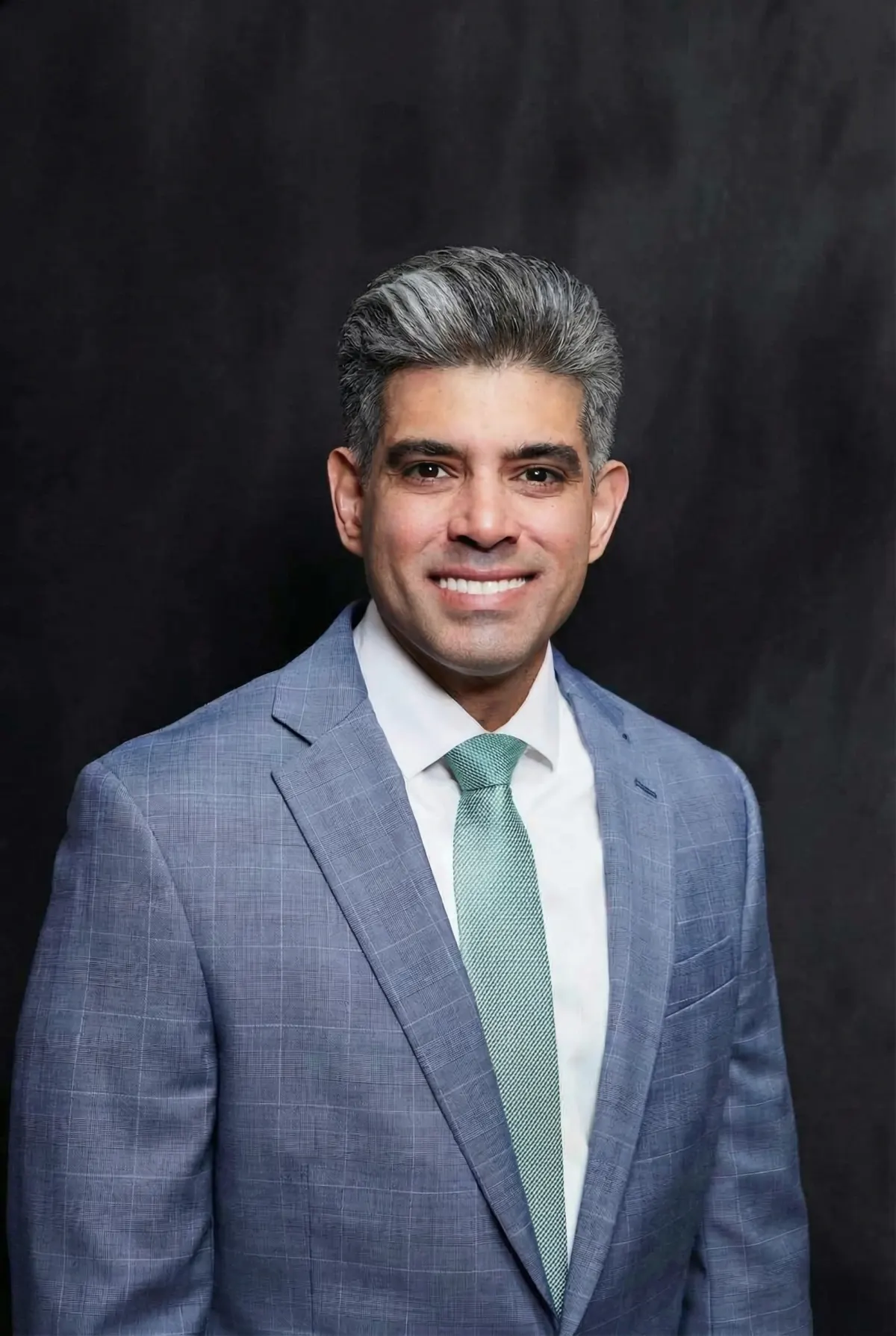
The sentence the judge announces in the courtroom is not the full measure of what a criminal conviction costs you. The formal punishment — prison time, probation, fines — is what most people focus on. The collateral consequences are everything else: your license to practice your profession, your ability to rent an apartment, your right to vote, your immigration status, your access to student loans, your eligibility to possess a firearm. In Florida, these collateral consequences are extensive, they are often permanent, and they don’t require a conviction on a serious felony to take effect. A misdemeanor can trigger licensing consequences that end a career. I’m Tonmiel Rodriguez, a Board Certified Criminal Trial Lawyer in Bartow. I’ve handled cases in the 10th Judicial Circuit where the collateral consequences were more devastating than the criminal sentence. Understanding these consequences before deciding how to resolve a case is not optional — it is essential to making an informed decision.
Legally reviewed by Tonmiel Rodriguez, Board Certified Criminal Trial Lawyer — last reviewed June 2026.
Professional Licensing Consequences
Florida has dozens of licensed professions, each governed by its own practice act and its own licensing board. Most of them treat criminal convictions — including misdemeanors in certain categories — as grounds for discipline up to and including license revocation. The consequences vary by profession:
Healthcare Professionals
The Florida Department of Health oversees licensing for physicians, nurses, pharmacists, dentists, physical therapists, mental health counselors, and dozens of other healthcare professions. Under § 456.072, a conviction for any crime directly related to the practice of the profession, or for a crime involving moral turpitude, is grounds for disciplinary action. Drug-related offenses, fraud charges, and sex offenses are particularly likely to trigger revocation. A nurse convicted of a DUI may face board review. A pharmacist convicted of prescription fraud faces certain revocation.
Attorneys
The Florida Bar requires self-reporting of all arrests. Under Bar rules, a felony conviction results in automatic suspension of Bar membership pending a formal disciplinary proceeding. Even a misdemeanor conviction can result in formal discipline. Felony fraud, theft, or drug distribution charges typically result in disbarment proceedings.
Contractors and Construction
The Florida Construction Industry Licensing Board and the Electrical Contractors’ Licensing Board can deny or revoke licensure for convictions related to fraud, theft, and financial crimes. A contractor convicted of insurance fraud or grand theft faces license revocation.
Real Estate Agents and Mortgage Brokers
FREC (Florida Real Estate Commission) and the OFR (Office of Financial Regulation) both treat fraud, theft, and financial crime convictions as grounds for license denial or revocation. A real estate agent convicted of mortgage fraud loses their license and is barred from reapplication for a period determined by the board.
Teachers and School Employees
The Florida Department of Education can revoke or deny teacher certification based on criminal convictions. Any conviction for a crime involving children — including any sex offense, child abuse, or lewd conduct — results in permanent revocation. Drug offenses, theft, and fraud can also result in revocation or denial.
CDL and Commercial Drivers
A drug or alcohol conviction — including DUI — results in mandatory CDL disqualification under both Florida law and federal regulations. A first DUI results in a 1-year CDL disqualification (3 years if transporting hazardous materials). A second conviction results in lifetime CDL disqualification. For a commercial driver, this is the end of their career.
Housing — Rental Consequences
Florida has no statewide prohibition on denying housing to people with criminal records. Private landlords routinely run background checks and refuse to rent to applicants with felony convictions — and in some cases, serious misdemeanor convictions. Section 8 and other federally subsidized housing programs have mandatory exclusion rules for certain offenses (drug manufacturing, sex offenses, and others). A conviction — particularly a sex offense conviction with registry requirements — substantially limits housing options in Polk County, where residency restrictions under § 775.215 already constrain where registered sex offenders can live.
Education — Financial Aid and Admissions
Federal student aid (Pell Grants, Stafford Loans) is affected by drug convictions. A student convicted of a drug offense while receiving federal financial aid loses eligibility for a period that depends on the offense and whether it is a distribution or possession charge. Florida Bright Futures scholarships are similarly affected — a student convicted of a drug felony loses Bright Futures eligibility. Admissions to graduate professional programs (law, medicine, nursing) require disclosure of criminal history, and a serious conviction can result in denial of admission or a conditional admission with conditions the applicant may not be able to meet.
Employment
Florida is an at-will employment state with no statewide ban-the-box law for private employers. Employers can and do refuse to hire applicants with criminal records. Felony convictions can bar employment in:
- Law enforcement and corrections
- Government employment at all levels
- Jobs requiring federal security clearances
- Financial services regulated by FINRA or the SEC
- Jobs involving access to children (schools, daycares, after-school programs)
For clients in these fields, the employment consequences of a conviction can be as devastating as the criminal sentence itself.
Collateral Consequences Are Part of the Defense Strategy
Before any plea decision, I analyze what the charge means for your license, employment, immigration, and civil rights. Call Board Certified Criminal Trial Lawyer Tonmiel Rodriguez — serving Polk, Highlands, and Hardee Counties.
Board Certified in Criminal Trial Law by The Florida Bar · Reach Us 24/7 · Hablamos Español
Civil Rights — Voting, Firearms, Jury Service
Under Florida law, a felony conviction results in automatic loss of:
- The right to vote — restored upon completion of sentence (including probation and parole) under Amendment 4, as amended by § 98.0751, provided all fines and fees are paid. Outstanding financial obligations can delay or prevent restoration.
- The right to possess or own a firearm — under both Florida § 790.23 and federal 18 U.S.C. § 922(g). Permanent for most felony convictions. Restoration requires full executive clemency.
- Jury service eligibility — felony convicts are ineligible to serve as jurors in Florida absent restoration of civil rights.
How Defense Strategy Accounts for Collateral Consequences
In my cases, the collateral consequence analysis happens before any plea decision. The questions I ask:
- What license does this client hold, and what does the licensing board do with this type of conviction?
- Is the client facing immigration consequences? (See the separate immigration consequences page.)
- What is the client’s employment situation, and which consequences would end their career?
- Is a withhold of adjudication available — which is not a conviction under Florida law and may preserve licensing and other rights?
- Can the charge be reduced to an offense that has less severe collateral consequences while achieving the same legal resolution?
Withholding of adjudication — available in many non-capital, non-sexual felony and misdemeanor cases in Florida — means the court accepts a guilty plea but does not formally adjudicate the defendant guilty. The defendant is not convicted under Florida law. This preserves eligibility for sealing or expungement (subject to other conditions) and, critically, may preserve professional licensing that a formal conviction would trigger review of. Not every licensing board treats a withheld adjudication the same as a conviction — but many do. The specific board’s rules matter.
Immigration and Collateral Consequences — The Intersection
For non-citizen clients, collateral consequences and immigration consequences overlap in ways that are not always obvious. A professional license revocation triggered by a state criminal conviction can also affect visa status if the license was the basis of a work visa. A drug conviction that triggers federal student aid suspension is also a ground for inadmissibility under INA § 212(a)(2)(A)(i)(II) — the same conviction triggers both consequences simultaneously. My defense strategy accounts for both layers. Before any plea is entered, I consider what Florida law does with the conviction, what federal immigration law does with it, and what the relevant licensing board does with it. These three questions do not always have the same answer. When they diverge, the defense strategy must account for each. For clients with immigration status concerns, see our separate Immigration Consequences page — the analysis begins before any plea decision, not after.
Civil Rights Restoration After a Felony Conviction in Florida
Florida’s civil rights restoration process changed substantially after Amendment 4 was passed by voters in 2018. Under Amendment 4 as amended by § 98.0751, a felony conviction no longer permanently strips voting rights in most cases — rights are restored automatically upon completion of all terms of sentence, including probation, parole, and financial obligations. However, several significant limitations apply. Persons convicted of murder or felony sexual offenses must apply to the Board of Executive Clemency for civil rights restoration — automatic restoration under Amendment 4 does not apply to these categories. Outstanding fines, fees, and restitution can delay or block automatic restoration even when all supervision is complete.
Firearm rights are a separate issue. Florida § 790.23 permanently prohibits convicted felons from possessing firearms. Federal law (18 U.S.C. § 922(g)) imposes the same prohibition. Restoration of firearm rights requires executive clemency — a full pardon with specific restoration of firearm rights. This is a difficult, multi-year process with no guarantee of success. Any client whose case might result in a felony conviction should understand from the outset that firearm rights, once lost, are extremely difficult to restore. For clients who rely on firearms for their livelihood (security workers, hunters, competitive shooters), this consequence must be weighed in the defense strategy alongside the criminal sentence itself. Understanding the full scope of the Florida criminal process — including what happens after sentencing — is essential to defending these cases effectively.
Frequently Asked Questions — Collateral Consequences
I was convicted of a felony years ago. Can I get my civil rights restored?
Florida’s civil rights restoration process for felons went through significant changes with Amendment 4 in 2018. Automatic restoration occurs upon completion of all terms of sentence, including probation and financial obligations. For more serious offenses (murder, sexual battery, certain other felonies), the process involves an application to the Board of Executive Clemency. An attorney can help you determine your eligibility and navigate the process.
My charge was a misdemeanor. Can it still affect my professional license?
Yes. Many licensing boards in Florida treat certain misdemeanor convictions — particularly drug offenses, theft, DUI (for CDL holders), and offenses involving moral turpitude — as grounds for discipline. The specific board’s rules determine the effect. Never assume a misdemeanor is harmless to a professional license without checking the board’s statutory authority and administrative rules.
Does a withhold of adjudication count as a conviction for collateral consequences?
Under Florida law, a withhold of adjudication is not a formal conviction — you are not adjudicated guilty. For many purposes this matters: record sealing eligibility under § 943.059, certain professional licensing reviews, and Florida firearms law. However, federal law treats a withhold differently in some contexts — federal firearms law looks at whether the person was guilty by plea or verdict regardless of whether adjudication was formally withheld. For immigration purposes, a guilty plea with a withheld adjudication can still be treated as a conviction under INA § 101(a)(48)(A). The specific context determines whether the withhold provides protection.
Can I own a gun after a drug misdemeanor conviction in Florida?
Generally yes for most misdemeanor drug offenses — Florida § 790.23 and federal 18 U.S.C. § 922(g) prohibit firearm possession for felony convicts. However, there is an important exception: a misdemeanor conviction for domestic violence under either state or federal law permanently prohibits firearm possession under federal law (18 U.S.C. § 922(g)(9)) regardless of the misdemeanor classification. If you were convicted of any domestic-related misdemeanor, consult an attorney before possessing a firearm.
Will a conviction affect my ability to receive federal student loans?
A drug offense conviction can affect federal financial aid eligibility under the Higher Education Act. A conviction for possession suspends eligibility for one year (first offense) or two years (second offense). A conviction for sale or distribution suspends eligibility for two years (first offense) or indefinitely (second offense). Completing a drug rehabilitation program or passing two unannounced drug tests administered by such a program can restore eligibility. Private loans are not affected by federal law but lenders have their own criteria.
What does “moral turpitude” mean in Florida licensing law?
Crimes involving moral turpitude (CIMT) are generally those considered inherently base, vile, or depraved — fraud, theft, crimes against persons involving serious harm, and certain other offenses. The term appears in many Florida licensing statutes as grounds for board discipline without requiring that the offense be directly related to the licensed profession. What constitutes moral turpitude is determined by case law and board decisions, not a fixed statutory list. If you hold a professional license and are facing charges, the CIMT analysis is part of the pre-plea evaluation I conduct in every case.
Contact The Rodriguez Law Office
If you are facing criminal charges and are concerned about the impact on your license, employment, or civil rights, call (863) 774-4556. Board Certified Criminal Trial Lawyer Tonmiel Rodriguez will give you an honest assessment of the full consequences — not just the sentence on the charging document. Hablamos Español. Reach Us 24/7. Serving Polk, Highlands, Hardee, Osceola, and Hillsborough Counties.
Board Certified · Reach Us 24/7 · Hablamos Español