
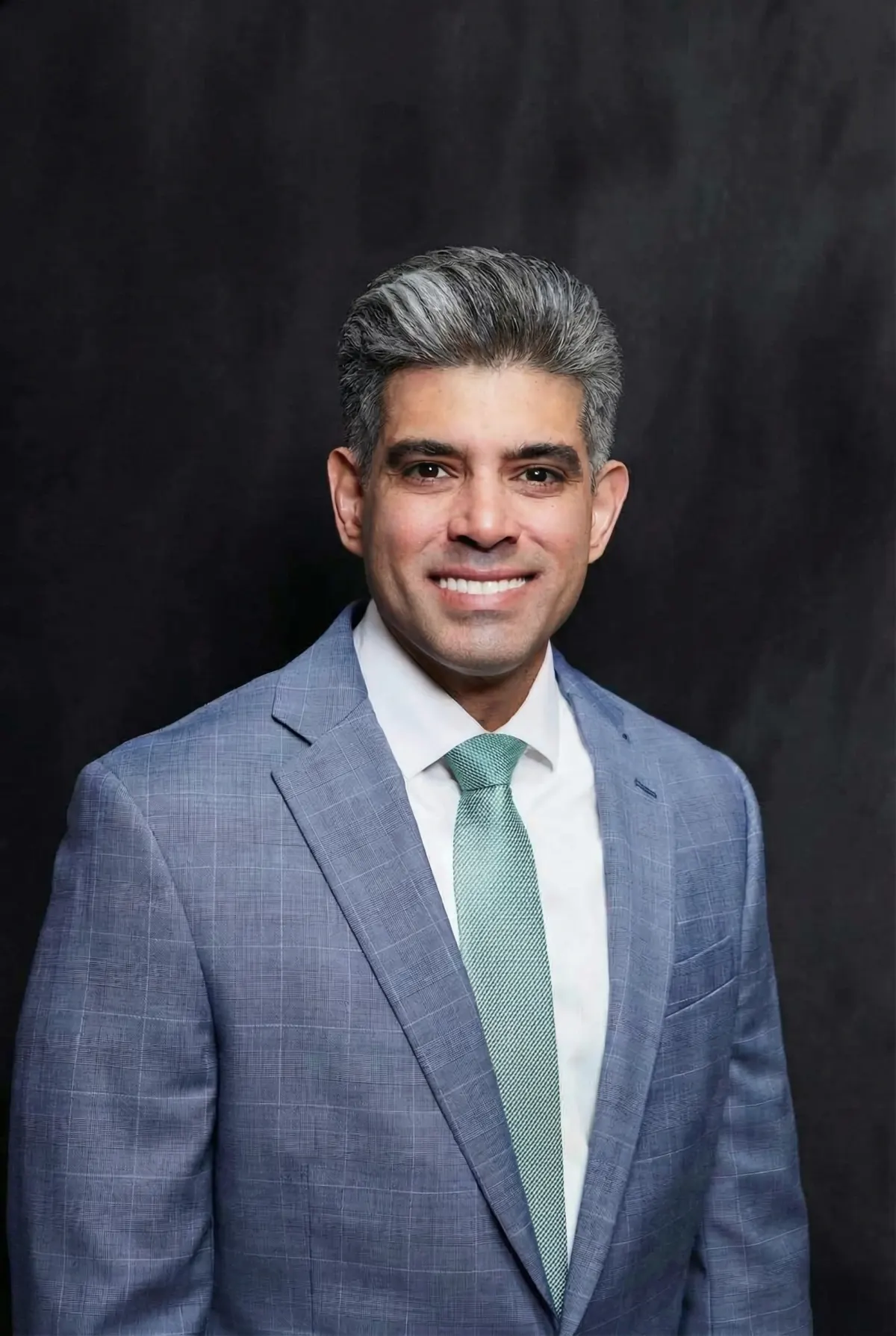
You or someone you love was just arrested in Polk County, and nobody is explaining what comes next. The police processed and booked them, someone mentioned a bond, and now there’s a court date on a piece of paper but no context for what it means. Not knowing where you stand in the process, or what each step brings, is one of the hardest parts of facing a criminal charge. I’m Tonmiel Rodriguez, a Board Certified Criminal Trial Lawyer in the 10th Judicial Circuit. I have guided hundreds of clients through every stage of this process in the Polk County Courthouse in Bartow. Here is what actually happens, step by step, from arrest through sentencing.
Legally reviewed by Tonmiel Rodriguez, Board Certified Criminal Trial Lawyer — last reviewed June 2026.
Step 1: Arrest and Booking at the Polk County Jail
An arrest begins when law enforcement — PCSO, Bartow PD, Winter Haven PD, Lakeland PD, Florida Highway Patrol, or another agency — takes a person into custody. The arresting officer completes a probable cause affidavit: a sworn written statement of the facts that, in the officer’s view, justify the arrest. That document is filed with the court and becomes the foundation of the State’s case — at least initially.
After arrest, the defendant is transported to the Polk County Jail at 1891 Jim Keene Blvd in Winter Haven (the main facility) or processed at a substation depending on the arresting agency. Booking involves photographing, fingerprinting, a criminal history check, property inventory, and classification. The arrest record is created at this point. Bond is set according to the Polk County bond schedule for most offenses — a standard chart that assigns a bond amount by charge level. Some charges, including certain violent felonies and capital offenses, are non-bondable by schedule and require a hearing before a judge.
Important: the arrest report and probable cause affidavit are not evidence. They are the arresting officer’s version of events. I review every arrest report immediately in new cases because errors, omissions, and constitutional violations appear in these documents. What is in the arrest report shapes everything that follows — it affects bond, the charging decision, and the defense strategy.
Step 2: First Appearance (Within 24 Hours)
Florida law requires that every arrested person be brought before a judge within 24 hours for a first appearance. In Polk County, first appearance hearings are conducted at the jail via video link. A judge reviews the probable cause affidavit to confirm there is a legal basis for the arrest — this is not a trial on guilt or innocence, just a constitutional threshold check.
At first appearance, the judge also reviews bond. The Polk County bond schedule sets a starting point, but the prosecutor can argue for a higher bond (or no bond) and the defense can argue for a reduction or for release on recognizance (ROR). This is a critical hearing. An experienced attorney appearing at first appearance can argue bond factors under § 903.046 — including ties to the community, employment, family, lack of prior record, nature of the charge, and likelihood of appearing at future hearings — and potentially secure a significantly lower bond than the schedule amount. I appear at first appearance hearings when retained early enough, and I work to prepare bond arguments even before the hearing begins.
If you cannot afford bond, you remain in custody. If a bondsman posts a surety bond, you are released. A small percentage of defendants are released on their own recognizance (ROR), meaning no money is required — just a promise to appear.
Step 3: The Charging Decision
After arrest, the case goes to the Polk County State Attorney’s Office. A prosecutor reviews the arrest report, witness statements, and any other evidence and decides what, if anything, to charge. The State is not bound by what the arresting officer wrote. They can charge the same offense, a higher offense, a lower offense, or decide not to file charges at all (known as a nolle prosequi or no-information).
For felony arrests, the State has up to 175 days to file an information (for most offenses). For misdemeanors, the window is shorter. The period between arrest and formal charging is often the most critical window in the entire case — this is when I negotiate for pretrial intervention (PTI), present mitigating information to the prosecutor, file motions challenging probable cause, and work to affect the charging decision before it becomes fixed. Once charges are formally filed, the leverage shifts.
If the case involves a grand jury indictment (required for capital offenses, and used for some first-degree felonies), the charging mechanism is different — but the underlying strategy is the same: get in front of the process early.
Step 4: Arraignment
Arraignment is the defendant’s formal first appearance in front of the assigned division judge after charges are filed. The judge reads the charges and the defendant enters a plea — in virtually every case, “not guilty” at this stage. Arraignment is not a trial. It is an administrative step that opens the case in court.
In Polk County, arraignments are held at the Courthouse in Bartow. If you are represented by private counsel, arraignment is often waived — your attorney files a written plea of not guilty on your behalf, and you don’t need to appear. This saves you a trip to the courthouse and a day off work. I waive arraignment for represented clients whenever the court permits it.
Step 5: Discovery
Once the case is filed, the defense is entitled to discovery — all the evidence the State has, including police reports, witness statements, surveillance footage, lab reports, body camera video, 911 calls, and anything else the prosecution intends to use. Under Florida Rule of Criminal Procedure 3.220, the State has an obligation to provide discovery promptly and a continuing obligation to disclose new evidence as it becomes available.
Discovery review is where I build the defense. Every piece of evidence is scrutinized. Witnesses are evaluated for credibility issues, and lab results are checked for procedural compliance. Body camera footage frequently contradicts arrest reports, and surveillance video has exonerated people who were described differently in police narratives. I have seen cases collapse at the discovery stage because the evidence simply did not support the charge — and I have used those facts to negotiate dismissals and significant charge reductions before trial.
Step 6: Pretrial Motions
Before trial, the defense can file motions that, if granted, can significantly narrow or eliminate the State’s case. The most consequential is a motion to suppress — filed when evidence was obtained in violation of the Fourth Amendment (unlawful search or seizure) or the Fifth Amendment (coerced statement, Miranda violation). If I win a motion to suppress, that evidence cannot be used at trial. In many cases, suppressing the key evidence causes the State to drop the charges entirely. See our Search and Seizure Defense page for details on how the motion to suppress process works.
Other common pretrial motions include motions to dismiss for lack of probable cause, Williams Rule motions (challenging evidence of prior acts), motions in limine to exclude prejudicial evidence, and motions challenging the legal sufficiency of the charge. In Stand Your Ground cases, I file a motion for pretrial immunity under § 776.032 — if I win, the case is over before trial without jeopardy attaching.
Step 7: Pretrial Conferences
The Polk County Courthouse in Bartow schedules cases through a series of pretrial conferences — court dates where the attorneys appear before the judge to report the status of the case: Is discovery complete? Are motions pending? Is the case going to resolve by plea or proceed to trial? These hearings move the case through the system. Some divisions are more active in pushing cases to resolution than others. I know the 10th Circuit judges, their preferences, and their dockets. That local knowledge matters when it comes to scheduling, negotiating with prosecutors who appear before the same judges, and knowing how the particular courtroom operates.
Step 8: Plea or Trial
Most criminal cases resolve through a negotiated plea before trial. A plea agreement involves the defendant agreeing to plead guilty or no contest to a charge (sometimes a lesser one than originally filed) in exchange for a specified sentence. The quality of a plea offer depends entirely on the strength of the defense built during the pretrial phase. Prosecutors make better offers when they know the defense attorney goes to trial. My track record of 75+ jury trials in this circuit means prosecutors know I am not bluffing.
When a plea offer is not acceptable — because it requires a conviction that will permanently damage my client’s future, because the offer doesn’t reflect the weakness of the State’s evidence, or because the client is innocent — we go to trial. As a Board Certified Criminal Trial Lawyer, I try cases before juries in the 10th Judicial Circuit. Trial preparation begins the moment I am retained, not when a plea falls apart at the last pretrial conference.
Step 9: Sentencing
If the case resolves by plea or by guilty verdict at trial, sentencing follows. Florida uses a Criminal Punishment Code scoresheet — a point-based system that calculates a minimum sentence based on the primary offense, additional offenses, prior record, victim injury, and other factors. The scoresheet establishes a “lowest permissible sentence” — the floor below which the judge cannot go without written reasons in most circumstances. Above the floor, the judge has significant discretion up to the statutory maximum.
Sentencing advocacy is its own discipline. I present mitigation: employment history, family support, mental health treatment, substance abuse recovery, community ties, military service, character letters. The goal is to give the judge every reason to impose a sentence at or below the scoresheet minimum — or to depart downward when the facts justify it.
Every Stage Is an Opportunity to Fight
From the bond hearing to sentencing, skilled representation at each step protects your rights and your future. Call Board Certified Criminal Trial Lawyer Tonmiel Rodriguez — reach us 24/7 — for a free consultation.
Board Certified in Criminal Trial Law by The Florida Bar · Reach Us 24/7 · Hablamos Español
What About Collateral Consequences After Sentencing?
The sentence the judge announces in court is only one part of what a criminal conviction costs you. Depending on the charge and how it is resolved, a conviction can affect your professional license, your immigration status, your ability to rent housing, your eligibility for student financial aid, your right to vote, and your right to possess a firearm. These collateral consequences are often permanent and do not require a violent felony to take effect — a misdemeanor can trigger licensing consequences that end a career.
Planning for collateral consequences is part of my defense strategy from the initial consultation, not an afterthought after a plea is entered. The structure of a plea — which charge, whether adjudication is withheld or entered, the specific wording of the disposition — can determine whether a professional license survives, whether a non-citizen client faces deportation proceedings, and whether the record can be sealed or expunged. If you are not a U.S. citizen, the immigration consequences of a criminal charge require analysis before any plea decision is made — under Padilla v. Kentucky, that advice is a constitutional obligation. Every decision in the criminal process has downstream consequences, and those consequences are part of what I am defending against from day one.
Frequently Asked Questions — Florida Criminal Process
How long does a criminal case take in Polk County?
Misdemeanor cases in the 10th Circuit typically resolve in 3 to 6 months. Felony cases take longer — 6 to 18 months is typical, though complex cases or cases headed to jury trial can take 2 years or more. Florida’s speedy trial rule (Rule 3.191) gives the State 90 days for misdemeanors and 175 days for felonies to bring a defendant to trial. Violations of speedy trial can result in discharge. I track speedy trial deadlines in every case and use them as a tool when appropriate.
What happens if I miss a court date in Polk County?
The judge issues a capias — a bench warrant for your arrest. Your bond is typically forfeited, meaning you lose any money posted or your bondsman has to find you. Resolving a capias requires appearing in court to “surrender” on the warrant, at which point the judge decides whether to reinstate bond (often at a higher amount) or hold you without bond. Missing court dates makes cases significantly harder to resolve favorably. Call me immediately if you miss a hearing — the sooner we address it, the better the outcome.
Can charges be dropped before trial?
Yes. The State Attorney’s Office can file a nolle prosequi (no-information) at any time, dismissing the case. This happens when evidence is suppressed, when witnesses become unavailable, when new evidence undermines the charge, or when the facts don’t support prosecution. Charges can also be dismissed by the court on a motion to dismiss if the information is legally deficient. My goal in every case is to identify the earliest point at which the State’s case can be challenged — because the earlier charges are dismissed, the less damage is done to my client’s life.
Do I have to appear at every court date?
For felony cases, personal appearance is generally required unless waived by the court. For misdemeanor cases, your attorney can often appear on your behalf for routine pretrial conferences. I work to minimize the number of court appearances my clients have to make — particularly for clients who have jobs, childcare obligations, or who live outside Polk County. That said, when your presence matters — at a bond hearing, a significant motion hearing, or any hearing that could affect your liberty — I will tell you clearly and we will both be there prepared.
What is a Criminal Punishment Code scoresheet in Florida?
Florida’s Criminal Punishment Code (CPC) is the sentencing framework for felony offenses. It assigns point values to the primary offense level, any additional offenses, victim injury, prior criminal record, and other factors. The total points calculate a “lowest permissible sentence” — a floor the judge cannot go below without written justification in most cases. The scoresheet is a critical document in every felony case. I review the scoresheet calculation at the outset of representation and challenge any errors or unfavorable scoring positions that are disputed.
Contact a Board Certified Criminal Defense Lawyer
Every stage of the Florida criminal process is an opportunity to fight your case. Call Attorney Tonmiel Rodriguez — Board Certified Criminal Trial Lawyer — for a free consultation today. Hablamos Español. Reach Us 24/7. Serving Polk, Highlands, Hardee, Osceola, and Hillsborough Counties.
Board Certified · Reach Us 24/7 · Hablamos Español