
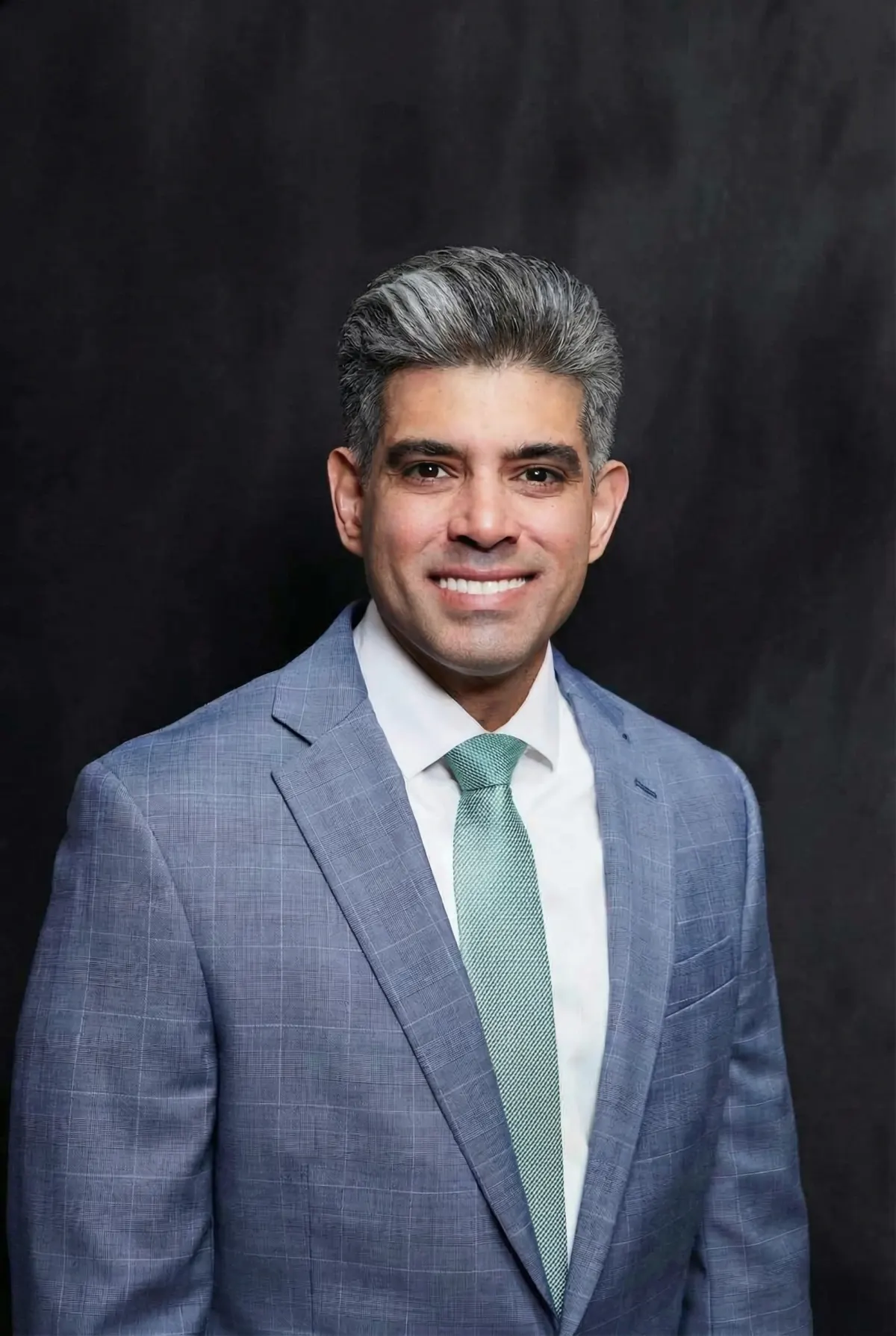
Legally reviewed by Tonmiel Rodriguez, Board Certified Criminal Trial Lawyer — last reviewed June 2026.
Disorderly Intoxication — Florida § 856.011
You had a few drinks at a bar in downtown Lakeland or at a venue around Winter Haven. Things got loud. Someone called the police, or an officer was already nearby. You were stumbling, or argumentative, or just in the wrong place at the wrong time — and now you’re facing a criminal charge you may not fully understand.
Florida’s disorderly intoxication statute, § 856.011, is not the same as a DUI. There’s no vehicle, no breathalyzer, no traffic stop. But it carries criminal consequences that can follow you just as long, and it’s charged in ways that are frequently overbroad. As a Board Certified Criminal Trial Lawyer who handles cases throughout Polk, Highlands, Hardee, Osceola, and Hillsborough Counties, I see these charges regularly — and I know exactly how to evaluate them.
What Florida Law Requires
Florida Statute § 856.011 makes it unlawful for any person to be intoxicated in a public place or in a public conveyance and to engage in behavior that:
- Endangers the safety of another person or property, or
- Causes a public disturbance.
That’s a crucial distinction. Being drunk in public, by itself, is not a crime in Florida. The statute requires something more — either actual danger to a person or property, or a genuine public disturbance. Officers frequently arrest people under § 856.011 simply because they are visibly intoxicated, without bothering to establish either required element. That’s where the defense begins.
Elements the State Must Prove
- You were intoxicated (by alcohol or other substances);
- You were in a public place or public conveyance;
- While intoxicated, you either (a) endangered the safety of another person or property, OR (b) caused a public disturbance.
All three elements must be proven beyond a reasonable doubt. If the State’s evidence shows only that you were drunk in public — without proving actual danger or actual disturbance — the charge is legally insufficient.
Penalties Under Florida § 856.011
| Offense | Degree | Max Jail | Max Fine | Additional Consequence |
|---|---|---|---|---|
| Disorderly Intoxication (1st or 2nd offense) | Second-Degree Misdemeanor | 60 days | $500 | — |
| Third conviction within 12 months | Second-Degree Misdemeanor | 60 days | $500 | Mandatory commitment to substance abuse treatment program |
The mandatory commitment provision in § 856.011(3) is important to understand: a third conviction within any 12-month period requires the court to order commitment to a publicly funded substance abuse treatment facility or program for a period not to exceed 60 days. This goes beyond the typical criminal penalty and carries implications for employment, professional licensing, and privacy.
How This Is Different from a DUI
People sometimes confuse disorderly intoxication with DUI. The differences are significant:
| Factor | DUI (§ 316.193) | Disorderly Intoxication (§ 856.011) |
|---|---|---|
| Vehicle required? | Yes — must be operating a vehicle | No |
| BAC test? | Breathalyzer / blood test standard | No formal chemical test required |
| License suspension? | Mandatory | Not directly triggered |
| Criminal degree (first offense) | First-degree misdemeanor | Second-degree misdemeanor |
| Max jail (first offense) | 6 months | 60 days |
These charges can also be stacked. If someone was driving drunk and then got out of the vehicle and created a public scene, they can face both a DUI charge and a disorderly intoxication charge. If you’re facing a DUI charge alongside a disorderly intoxication charge, see our DUI defense pages for the full picture of what you’re dealing with.
Where These Arrests Happen in the 10th Circuit
Disorderly intoxication arrests follow predictable geographic patterns across the three-county circuit.
Lakeland: The Kentucky Avenue entertainment corridor, the bars around Lake Mirror, and Munn Park area generate the most § 856.011 arrests in Polk County. Lakeland PD is the primary arresting agency. Weekend nights, college sporting events, and special events at the RP Funding Center all produce spikes in arrests.
Winter Haven: The Chain of Lakes entertainment district and bars around downtown Winter Haven are the main sources. Winter Haven PD handles most of these. The annual Legoland events and the boat racing events on the lakes generate seasonal upticks.
Sebring: Downtown Sebring’s bar area around Lake Jackson, particularly during the Sebring International 12-Hour Race weekend and other Sebring Raceway events, generates significant § 856.011 arrests handled by Sebring PD and the Highlands County Sheriff’s Office. Cases are heard at the Sebring courthouse.
Wauchula: The Hardee County Sheriff’s Office handles disorderly intoxication in this rural county. Volume is lower than Polk or Highlands, but cases are heard at the Wauchula courthouse and Hardee County prosecutors tend to treat misdemeanor cases seriously.
Defense Strategies
1. No Actual Danger or Disturbance
This is the threshold defense. If the only evidence is that you were visibly intoxicated in a public place — without any showing that you endangered someone or caused a disturbance — the charge fails as a matter of law. I demand every piece of available evidence, including body camera footage, witness statements, and any incident reports, to determine whether the conduct alleged actually meets the statutory standard. Many § 856.011 arrests lack this foundation entirely.
2. Not a “Public Place”
The statute applies in public places and public conveyances. If the conduct occurred in a private club, a private residence, or a location that does not qualify as public, the location element is not satisfied. This is a narrower defense but applicable in the right fact pattern.
3. Intoxication Not Established
Unlike a DUI, there’s no chemical test requirement for a § 856.011 arrest. Officers rely on their observations. I examine those observations carefully — slurred speech, balance issues, odor of alcohol — and challenge whether they actually established intoxication to the legal standard, particularly where the defendant had a medical condition, disability, or other explanation for the observed behavior.
4. Challenging Officer Credibility
In most disorderly intoxication cases, the arresting officer is the State’s primary witness. Body camera footage often tells a different story than the arrest report. I have had charges reduced or dismissed in Bartow and Sebring after video review showed conduct far less alarming than the report described.
5. Diversion Programs
For first offenders in Polk County and the 10th Circuit, diversion programs may be available that result in dismissal of charges upon completion of conditions including community service, substance abuse evaluation, and no new arrests. I evaluate diversion eligibility in every first-offense misdemeanor case.
Frequently Asked Questions
What is disorderly intoxication in Florida?
Being drunk in a public place while endangering others or causing a public disturbance. The key: intoxication alone is not enough. There must be actual danger or actual disturbance.
Is this the same as a DUI?
No. DUI requires operating a vehicle. Disorderly intoxication does not involve vehicles at all. It is a separate statute with its own elements and lighter penalties, though both can sometimes be charged from the same incident.
What’s the penalty?
Second-degree misdemeanor: up to 60 days in jail and a $500 fine. A third conviction within 12 months additionally triggers mandatory commitment to a substance abuse treatment program under § 856.011(3).
Can I be arrested just for being drunk in public?
Not legally, under § 856.011. The statute requires danger or disturbance beyond the intoxication itself. Arrests based on intoxication alone are constitutionally and factually vulnerable — this is a core defense issue in most of these cases.
Does this affect my driver’s license?
A § 856.011 conviction does not directly trigger a license suspension the way a DUI does. However, if a vehicle was involved in any way, or if DUI is also charged, the full DUI consequences apply to that charge separately.
Don’t Let a Night Out Define Your Record
Disorderly intoxication is charged frequently and often without proper factual support. The statute’s requirements are specific, and the prosecution’s burden is real. I treat every § 856.011 case as the criminal matter it is — not as a minor inconvenience to plead away.
If you’re facing a disorderly intoxication charge in Polk, Highlands, or Hardee County, call me before you do anything else. I’ll tell you exactly what the evidence looks like and what your options are.
Charged with Disorderly Intoxication?
Board Certified in Criminal Trial Law by The Florida Bar · Reach Us 24/7 · Hablamos Español
What Does the State Have to Prove for a Disorderly Intoxication Conviction?
Florida § 856.011 has two distinct prongs. The State can prove disorderly intoxication by showing either: (1) the defendant was intoxicated in a public place and was endangering the safety of another person or property, or (2) the defendant was intoxicated in a public place or was intoxicated on the premises of a licensed establishment and caused a public disturbance. These are two separate paths to conviction — they require different evidence and they create different defenses.
On the endangerment prong, the State must show actual endangerment — a real risk to a person’s safety, not just the theoretical possibility that a drunk person might do something dangerous. Courts have held that simply being drunk and unsteady on your feet is not endangerment. There must be conduct that created an actual, identifiable risk to others.
On the disturbance prong, the State must show a public disturbance — something that rises above the level of personal embarrassment or minor annoyance. Courts have looked at whether the conduct disrupted the peace of people in the area, not just whether it attracted attention. Loud speech directed at police officers, standing alone, does not constitute a public disturbance under Florida law.
These arrests often happen at sporting events, bars, and outdoor gatherings, where police are managing crowds and making quick decisions. Charges made under that pressure frequently fall apart on closer review of the evidence.
Facing Serious Charges? Call Now — Reach Us 24/7
Attorney Tonmiel Rodriguez is a Board Certified Criminal Trial Lawyer with over 75 jury trials. He defends clients throughout the 10th Judicial Circuit — Polk, Highlands, and Hardee Counties. Hablamos Español.
Board Certified · Reach Us 24/7 · Hablamos Español
Defenses to Disorderly Intoxication in Florida
The most powerful defense in many disorderly intoxication cases is simple: the conduct did not meet the statutory threshold. Being drunk is not a crime. Being visibly intoxicated in public is not a crime. The State must prove the additional element — endangerment or public disturbance — and in many arrests, that element is weak or entirely absent from the police report.
Other defenses include: challenging whether the location was actually a “public place” as defined by Florida law; challenging the officer’s opinion that the defendant was intoxicated (which may be unsupported by chemical testing); and raising constitutional issues if the arrest followed an unlawful stop or detention. If the officer arrested you simply because you were drunk and they wanted you off the street, that arrest may have been unlawful.
Witness testimony from friends, bar staff, or bystanders can also support the defense. If witnesses observed the defendant being calm, not creating any disturbance, and not endangering anyone, that evidence directly contradicts the elements of the charge.
Florida courts have also recognized that the disorderly intoxication statute cannot be applied to punish protected speech. If the conduct that triggered the arrest was verbal — arguing with police, making a scene verbally — the First Amendment may limit the State’s ability to prosecute under § 856.011.
Repeat Offenders and the Mandatory Treatment Provision
Florida § 856.011(3) contains a provision that is unusual in misdemeanor law: a person convicted three or more times within a 12-month period must be committed for 48 to 72 hours at a treatment facility or hospital for evaluation and treatment. This is a mandatory consequence — the court has no discretion once the conviction is the third in a 12-month window. It is triggered automatically.
For anyone who has faced prior disorderly intoxication charges, this provision makes the third charge significantly more serious than the first two. It also makes the strategic calculus different. A third conviction within 12 months brings more than a $500 fine and probation: it can mean mandatory commitment, with employment, housing, and licensing consequences beyond the criminal case itself.
If you are facing a third disorderly intoxication charge within 12 months, the defense analysis must account for this provision. Avoiding conviction — through dismissal, diversion, or acquittal — takes on even greater urgency.
Impact on Employment and Professional Licensing
Disorderly intoxication is a misdemeanor, but its impact on employment and professional licensing can far exceed the statutory penalty. For anyone employed in a field that requires a professional license — healthcare, education, law, real estate, contracting — a misdemeanor conviction triggers a licensing board inquiry. Florida’s licensed professions have independent disciplinary authority that is not bound by the outcome of the criminal case.
Employers who conduct background checks will see a disorderly intoxication conviction. The word “intoxication” in the charge name creates impressions that a more neutral charge would not. Teachers, nurses, paramedics, social workers, and government employees face heightened scrutiny. Even security clearance holders face potential consequences from a misdemeanor alcohol-related conviction.
For first-time offenders, diversion or a withheld adjudication may preserve the ability to seal the record. Florida § 943.059 allows sealing of withheld adjudications for eligible offenses. A sealed record is not visible to most employers or licensing boards. The path to sealing begins with avoiding a conviction — which is why fighting the charge, rather than simply pleading guilty to get it over with, matters.
If you have questions about how a disorderly intoxication charge interacts with your professional license or employment situation, Attorney Rodriguez can address those issues in the context of your criminal defense strategy. Related practice areas include disorderly conduct defense, professional license defense, and misdemeanor criminal defense throughout Polk, Highlands, Hardee, Osceola, and Hillsborough Counties.
Don’t Wait — Every Hour Counts After an Arrest
The decisions you make in the first 48 hours after an arrest can shape the entire trajectory of your case. Call Attorney Rodriguez now for a direct, honest assessment. Board Certified. Hablamos Español. Reach Us 24/7.
Board Certified · Reach Us 24/7 · Hablamos Español
Your Defense Starts With One Call
The Rodriguez Law Office handles serious criminal charges throughout Polk, Highlands, Hardee, Osceola, and Hillsborough Counties. Board Certified Criminal Trial Lawyer. 75+ jury trials. Hablamos Español. Reach Us 24/7. Located less than one mile from the Polk County Courthouse.
Board Certified · Reach Us 24/7 · Hablamos Español