
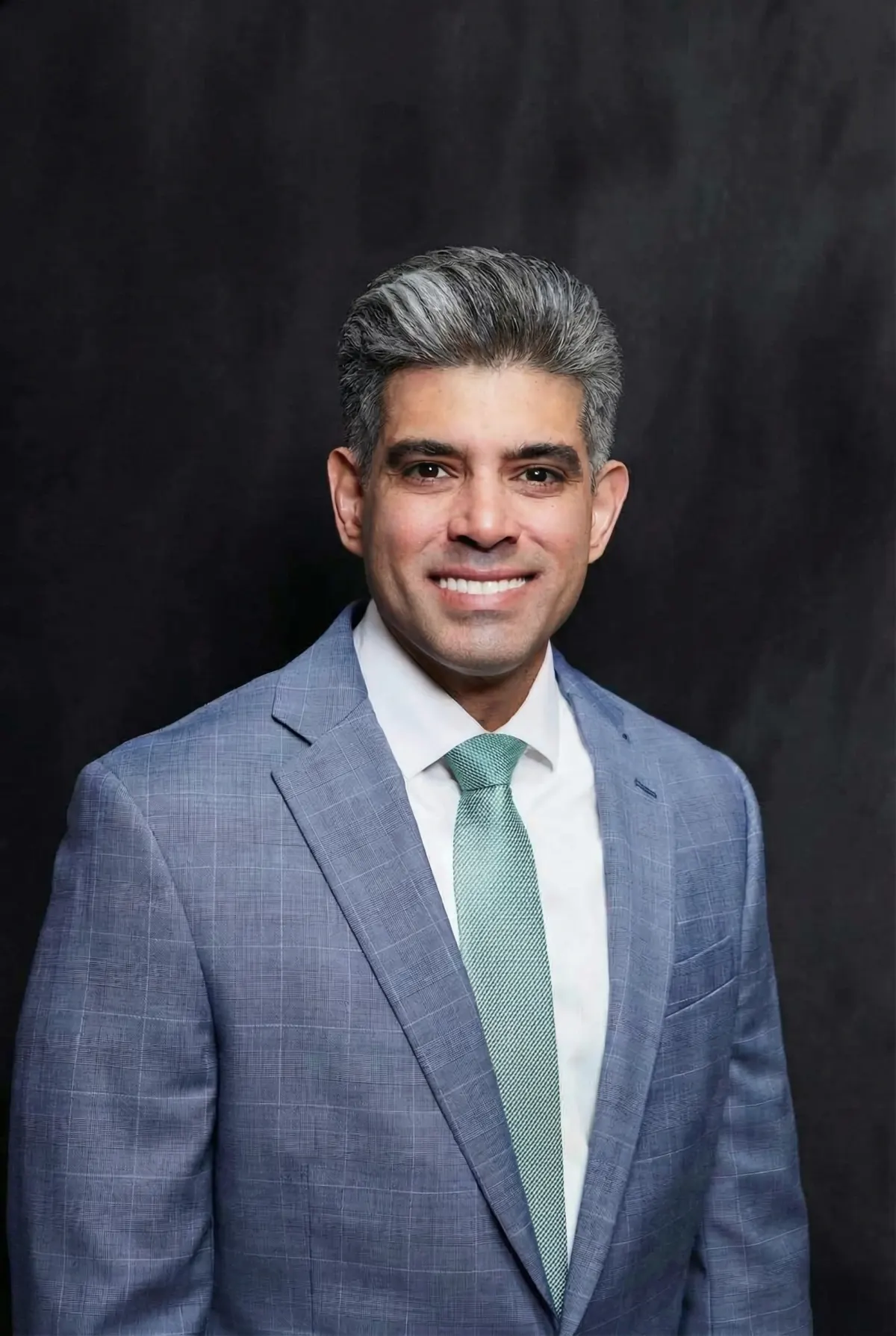
Legally reviewed by Tonmiel Rodriguez, Board Certified Criminal Trial Lawyer — last reviewed June 2026.
You missed a court date. Maybe you forgot, maybe the notice never reached you, or maybe you always meant to deal with it and never did. Now it has arrived in the form of a bench warrant. In Polk, Highlands, and Hardee Counties, a failure to appear can turn a manageable situation into a compounding crisis: a new criminal charge on top of the original case, a revoked bond, and a judge who now has less goodwill than before. Getting ahead of this — with a lawyer — makes all the difference.
What Is Failure to Appear Under Florida Law?
Florida § 843.15 makes it a criminal offense to willfully fail to appear before a court or judicial officer as required by the conditions of bail or recognizance. Florida Standard Jury Instruction 29.18 tells the jury the State must prove:
- The defendant was released from custody after an arrest on condition that they appear before a court or judicial officer at a specific time and place.
- The defendant willfully failed to appear at that time and place.
The critical word is willfully. The FTA statute does not punish accidental failures or failures caused by circumstances beyond the defendant’s control. The prosecution must prove a deliberate, knowing decision not to appear. That element is the foundation of most FTA defenses.
Penalties — What the New Charge Actually Means
| Underlying Charge | FTA Offense Level | Maximum Penalty |
|---|---|---|
| Felony (any degree) | 3rd Degree Felony | 5 years prison / 5 years probation / $5,000 fine |
| Misdemeanor or criminal traffic offense | 1st Degree Misdemeanor | 1 year jail / 1 year probation / $1,000 fine |
The FTA charge is separate from and in addition to the original charge. If you were out on bond for a felony and you miss court, you now have two active cases: the original felony and a new third-degree felony FTA. Those cases are often handled together — but they are independently charged and independently sentenced. The FTA conviction also scores on your Criminal Punishment Code scoresheet, potentially pushing the minimum sentence on the original charge higher.
What Happens Immediately After a Missed Court Date
When a defendant fails to appear, courts in Polk, Highlands, Hardee, Osceola, and Hillsborough Counties typically follow this sequence:
- Bench warrant (capias) issued: The judge signs a warrant for the defendant’s arrest. This warrant is entered into statewide and national systems — any traffic stop, any encounter with law enforcement, any routine check can result in arrest.
- Bond revoked: The existing bond is revoked. The bondsman may be notified and may send an agent to locate and surrender the defendant.
- Bond forfeiture (estreature): The court begins civil proceedings to forfeit the bond amount. This is a separate civil process — but it runs alongside the criminal FTA charge.
- New charges filed: The State Attorney’s office files the FTA charge as a new criminal case.
Criminal FTA vs. Bond Estreature — A Critical Distinction
Many defendants and their families confuse the criminal FTA charge with bond estreature. These are two separate proceedings:
- Bond estreature is civil. The court forfeits the bond amount paid by the bondsman or the cash posted. The bondsman loses the money and may pursue the defendant or indemnitors to recover it. This is a financial consequence, not a criminal charge.
- Criminal FTA under § 843.15 is a criminal charge. It can result in incarceration, probation, and a criminal conviction on your record. Both can arise from the same missed court date.
Resolving the bond estreature does not resolve the criminal FTA charge — and vice versa. Your attorney must address both, and the strategies for each are different.
Turning Yourself In — Why How You Do It Matters
If there is a bench warrant for your arrest, you have a choice: wait until law enforcement picks you up, or turn yourself in with an attorney. The difference in outcome is often dramatic. When an attorney contacts the court in advance and arranges a voluntary surrender, courts in Polk, Highlands, Hardee, Osceola, and Hillsborough Counties are far more likely to:
- Set a reasonable bond instead of holding without bond
- Be receptive to a reasonable explanation for the missed appearance
- Consider dismissing the FTA charge if the original case is resolved
- Treat the defendant as someone who takes the proceedings seriously
Walking in off the street without a lawyer, or being arrested at 2 AM on a traffic stop, puts you in a much weaker position. The judge sees a warrant pick-up, not a voluntary surrender. Bond hearings go differently.
Defense Strategies
1. Lack of Willfulness — No Notice of Hearing
If the defendant never received actual notice of the court date — if the notice went to an old address, was never mailed, or was never communicated through counsel — the willfulness element fails. Florida courts have dismissed FTA charges where the defendant had no actual knowledge of the required appearance. This requires documentation: mail records, court filing records, proof of last known address at time of notice.
2. Medical or Family Emergency
A genuine medical emergency, hospitalization, or unavoidable family crisis that prevented appearance can negate the willfulness element. Courts respond better to documented emergencies presented promptly — ideally through counsel, before the warrant has been outstanding for weeks or months. Medical records, hospital discharge papers, and similar documentation are critical.
3. Impossibility
Circumstances that made appearance genuinely impossible — incarceration in another jurisdiction, serious accident, natural disaster — can constitute a defense to the willfulness element. The defendant must have been unable, not merely unwilling, to appear.
4. Resolution of Underlying Case
In many cases, the most effective strategy is not just defending the FTA charge in isolation but resolving it alongside the underlying case. A favorable resolution of the underlying charge — a dismissal, a plea to a lesser offense — often leads the prosecution to drop the FTA charge as part of the global resolution. Handling both cases simultaneously is almost always more efficient than fighting them separately.
Frequently Asked Questions
What is failure to appear in Florida?
Failure to appear under § 843.15 is willfully failing to appear before a court or judicial officer as required when released on bail or recognizance. If the underlying charge is a felony, FTA is a third-degree felony. If the underlying charge is a misdemeanor, FTA is a first-degree misdemeanor.
What happens when you miss a court date in Florida?
The judge issues a bench warrant for your arrest. Your bond may be revoked and forfeited. The FTA becomes a new criminal charge. Turning yourself in with an attorney, before you are arrested, almost always produces a better outcome than being picked up on the warrant.
What is the difference between criminal FTA and bond estreature?
Bond estreature is a civil process — the court forfeits the bond amount. It is a financial consequence, not a criminal charge. Criminal FTA under § 843.15 is a separate criminal offense that can result in incarceration. Both can happen from the same missed court date.
Can I fight a failure to appear charge if I had a good reason?
Yes. The FTA statute requires willfulness. If you never received proper notice, had a genuine medical emergency, or faced circumstances that made it impossible to appear, the willfulness element may be challenged. An attorney can present these facts to the court and work toward resolution of both the warrant and the new charge.
Will I be held without bond after a failure to appear?
It depends on the judge and the circumstances. Courts in Polk, Highlands, Hardee, Osceola, and Hillsborough Counties take failures to appear seriously. Some defendants are held without bond or with dramatically higher bond amounts. Having an attorney present when you turn yourself in significantly improves your chances of a reasonable bond being set.
Related Practice Areas
Bench Warrant or Failure to Appear in Polk, Highlands, or Hardee County?
Every day the warrant is outstanding, the situation gets harder to fix. Call now and let’s get ahead of this before law enforcement finds you first.
Board Certified in Criminal Trial Law by The Florida Bar · Reach Us 24/7 · Hablamos Español
What Happens Immediately After You Miss a Court Date in Florida?
Within minutes of a missed court date, the judge typically issues a capias — a bench warrant for your arrest. The clerk of court records the FTA. Your bondsman is notified that the bond is at risk of forfeiture. In Polk County, bench warrants are entered into FCIC/NCIC, Florida’s statewide criminal database, immediately. This means the warrant is visible to every law enforcement officer in Florida the moment it is entered.
Once a bench warrant is in the system, you are at risk of arrest at any traffic stop, any police encounter, or any background check that generates a hit. There is no grace period. There is no automatic notification that gives you time to turn yourself in before you are picked up. The warrant sits there, waiting, until either you surrender voluntarily or law enforcement encounters you and runs your name.
Turning yourself in — with an attorney — is almost always a better outcome than being arrested at a traffic stop, at your home, or at work. When you surrender voluntarily through counsel, your attorney can appear with you, argue for a lower bond, and present a narrative that addresses why you missed court and why you should be released while the case continues. When you are arrested on a warrant, none of that is available until the next available first appearance hearing — which may be 24 to 48 hours away.
Facing Serious Charges? Call Now — Reach Us 24/7
Attorney Tonmiel Rodriguez is a Board Certified Criminal Trial Lawyer with over 75 jury trials. He defends clients throughout the 10th Judicial Circuit — Polk, Highlands, and Hardee Counties. Hablamos Español.
Board Certified · Reach Us 24/7 · Hablamos Español
What Is the Criminal Charge for Failure to Appear Under § 843.15?
Florida Statute § 843.15 makes willful failure to appear a separate criminal offense — independent of the underlying case that generated the court date. The charge is graded by the underlying offense: if you missed a felony court date, the FTA is a third-degree felony, punishable by up to 5 years in Florida State Prison. If you missed a misdemeanor or criminal traffic court date, the FTA is a first-degree misdemeanor, punishable by up to 1 year in the county jail.
The word “willful” matters. FTA is not strict liability — the State must prove you deliberately chose not to appear. If you did not receive proper notice of the court date, if a medical emergency made appearance impossible, or if your attorney’s office failed to communicate the date to you, those facts go to willfulness. They do not automatically guarantee a dismissal, but they create a defense that must be investigated and presented.
The FTA charge runs alongside the original case. You are not just dealing with the charge that generated the warrant — you are now dealing with two separate criminal matters, potentially two separate sentencing events, and a judge who is unhappy that you did not appear. This is why addressing an FTA warrant early and strategically matters.
Bond After an FTA — What to Expect
After a failure to appear, the original bond is typically revoked and may be forfeited — meaning your bondsman must pay the face amount of the bond to the court. At the next appearance on the warrant, the judge sets a new bond. That new bond is almost always higher than the original bond — sometimes dramatically higher — because the court has now seen that you did not appear as required. In serious felony cases, the judge may set no bond at all after an FTA, which means you remain in custody until the case is resolved or until a motion for reconsideration can be filed and heard.
The bondsman has independent legal remedies when a bond is forfeited. Depending on the terms of the bond agreement, the bondsman may pursue collection against the defendant and any co-signers on the bond. This is a separate civil process that runs alongside the criminal case.
Coming into court voluntarily, through an attorney, before being arrested on the warrant gives the court reason to believe you are now willing to comply with court orders. That demonstration of voluntary compliance is one of the most powerful arguments for a lower bond at the hearing that follows. Without that, you are just another defendant who ran from their case.
How Attorney Rodriguez Handles FTA Warrants in Polk County
The strategy for addressing a failure to appear warrant in Polk County depends on the nature of the underlying case, the reason for the missed appearance, the amount of time that has passed since the FTA, and the client’s record. Attorney Rodriguez reviews all of those factors before advising on next steps.
In some cases, the attorney can schedule a voluntary surrender at a time and in a manner that positions the client favorably for the bond hearing. In others, a motion can be filed with the court explaining the circumstances of the missed appearance before the client surrenders, setting up a better argument for bond reduction. When the FTA is itself defensible — because notice was not proper, or because there was a genuine emergency — that defense is prepared alongside the strategy for addressing the warrant.
An outstanding warrant does not expire, and waiting only makes the situation harder. The longer you wait, the more the failure compounds, and the harder it becomes to present the voluntary compliance narrative that helps at the bond hearing. If you have a bench warrant in Polk County, Highlands County, or Hardee County, call Attorney Rodriguez now.
Related practice areas: bond hearings, felony defense, and misdemeanor defense throughout the 10th Judicial Circuit.
Don’t Wait — Every Hour Counts After an Arrest
The decisions you make in the first 48 hours after an arrest can shape the entire trajectory of your case. Call Attorney Rodriguez now for a direct, honest assessment. Board Certified. Hablamos Español. Reach Us 24/7.
Board Certified · Reach Us 24/7 · Hablamos Español
Your Defense Starts With One Call
The Rodriguez Law Office handles serious criminal charges throughout Polk, Highlands, Hardee, Osceola, and Hillsborough Counties. Board Certified Criminal Trial Lawyer. 75+ jury trials. Hablamos Español. Reach Us 24/7. Located less than one mile from the Polk County Courthouse.
Board Certified · Reach Us 24/7 · Hablamos Español