
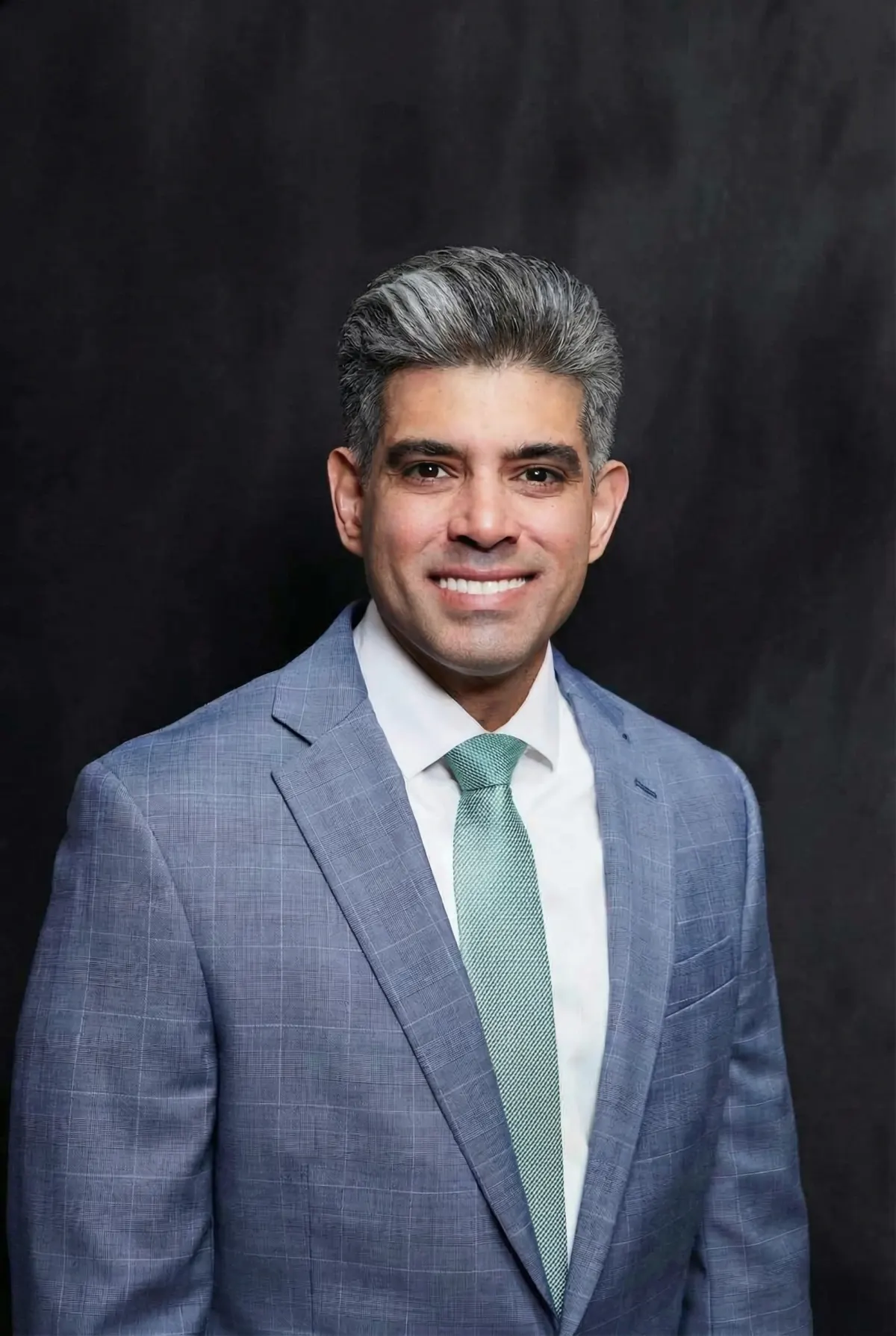
Legally reviewed by Tonmiel Rodriguez, Board Certified Criminal Trial Lawyer — last reviewed June 2026.
Healthcare Workers Facing Criminal Charges — Nurses, Doctors & Medical Professionals
You became a healthcare worker to help people. You went through years of school, passed difficult licensing exams, and built a career in a field that demands competence and trust. Now you are facing a criminal charge — maybe a DUI on the way home from a long shift, a drug possession arrest, a domestic dispute that got out of hand — and you know that the criminal case is only part of what you are facing. The Board of Nursing, the Board of Medicine, or your professional licensing board is going to find out. And when they do, they will open their own proceeding.
In the 10th Judicial Circuit — Polk, Highlands, and Hardee Counties — healthcare workers at Lakeland Regional Health, AdventHealth Sebring, Polk County’s many clinics and home health agencies, and the scores of small practices throughout the region are among the most common professional license clients I represent. The stakes are higher for you than for most defendants. A nurse practitioner who loses her license does not just pay a fine — she loses her profession.
I am a Board Certified Criminal Trial Lawyer. Call (863) 774-4556 for a free consultation. The sooner the defense is built, the more options are available.
Which Florida Boards Regulate Healthcare Professionals
Florida regulates healthcare professionals through the Department of Health (DOH) and its associated professional boards. The relevant boards for the most common healthcare professions are:
| Profession | Governing Board | Florida Statute |
|---|---|---|
| Registered Nurse / LPN | Board of Nursing | Chapter 464 |
| Physician / MD / DO | Board of Medicine / Board of Osteopathic Medicine | Chapters 458 / 459 |
| Pharmacist | Board of Pharmacy | Chapter 465 |
| Dentist | Board of Dentistry | Chapter 466 |
| Physical / Occupational Therapist | Board of Physical Therapy Practice | Chapter 486 |
| Mental Health Counselor / Social Worker | Board of Clinical Social Work | Chapter 491 |
| EMT / Paramedic | DOH Bureau of Emergency Medical Oversight | Chapter 401 |
Each board operates under Chapter 456 general disciplinary provisions and its own practice act. The disciplinary standards and procedures are similar but not identical across boards.
Reporting Obligations — The 30-Day Rule
Florida Statute § 456.072(1)(x) requires any healthcare professional regulated under Chapter 456 to report to the Department of Health within 30 days of being arrested for or convicted of a crime in any jurisdiction. The obligation attaches at arrest — not at conviction. Failure to report within 30 days is itself a disciplinary violation under § 456.072.
This creates an immediate tension: the criminal defense attorney may want the client to remain quiet to preserve options in the criminal case, while the licensing statute requires a report. These obligations must be navigated carefully. The report to the DOH is not an admission of guilt in the criminal case, but it does put the licensing board on notice — triggering their investigation.
Employers have separate notification requirements. Most hospital credentialing agreements and employment contracts require reporting arrests to supervisors or human resources on shorter timelines than 30 days. Violating an employment contract reporting obligation while trying to protect the criminal case is a common trap for healthcare workers.
Background Screening Under Chapter 435 — Level 1 vs. Level 2
Florida’s background screening statute, Chapter 435, applies to healthcare workers who have access to patients, particularly in settings serving vulnerable populations.
Level 1 Screening — § 435.03
A Florida-only search of criminal history records, sex offender registry, and abuse and neglect registries. Less comprehensive than Level 2 and typically used for lower-risk positions.
Level 2 Screening — § 435.04
The more rigorous standard required for most licensed healthcare workers. Includes:
- FBI fingerprint-based national criminal history check
- Florida Department of Law Enforcement criminal history check
- Sex offender and sexual predator registry check
- Domestic violence injunction database check
- Florida Abuse Hotline information system check
Disqualifying Offenses Under § 435.04
The following categories of offenses are disqualifying under Level 2 screening. A conviction or adjudication of delinquency for a disqualifying offense bars employment in a screened position unless an exemption is granted:
- Any felony involving violence or the threat of violence
- Sexual battery or related sexual offenses
- Felony drug offenses involving trafficking or possession with intent
- Robbery, burglary, theft exceeding certain amounts
- Arson, bombing, terrorism-related offenses
- Stalking, aggravated stalking
- Abuse, neglect, or exploitation of a vulnerable adult or child
- Manslaughter, murder
The Exemption Process
Under § 435.07, a person with a disqualifying offense may seek an exemption from disqualification. The exemption petition is filed with the relevant agency (DOH for healthcare workers) and must demonstrate rehabilitation and present fitness to work with vulnerable populations. Factors considered include:
- The nature and severity of the disqualifying offense
- Time elapsed since the offense
- The individual’s criminal history since the disqualifying offense
- Evidence of rehabilitation — treatment completion, community service, character letters
- The nature of the position sought
Common Criminal Charges and Their Licensing Impact
DUI — § 316.193, Fla. Stat.
A DUI conviction triggers a board investigation for most healthcare professionals. The Board of Nursing, under § 464.018(1)(c), treats a DUI as a crime that may reflect on fitness to practice. A first DUI, no accident, standard BAC, is typically handled as a minor disciplinary matter if addressed proactively — reporting on time, completing DUI school, demonstrating no substance abuse pattern. A DUI involving a traffic accident, injury, or a BAC above .15 is treated more seriously. Multiple DUIs or a DUI involving diversion of controlled substances from the workplace can trigger suspension or revocation.
Drug Possession — § 893.13, Fla. Stat.
A drug possession charge for a healthcare worker raises red flags at the licensing board because of the worker’s access to controlled substances in the workplace. Even where the arrest had nothing to do with work, boards are concerned about substance abuse and its potential impact on patient safety. The IPN (Intervention Project for Nurses) or PRN (Professionals Resource Network for physicians) may be available as alternatives to formal discipline for cases involving substance use disorder.
Battery / Domestic Battery — §§ 784.03, 741.28, Fla. Stat.
A battery conviction — even a misdemeanor — triggers a board review. For healthcare workers who provide hands-on patient care, a finding of violent behavior has direct patient safety implications. Domestic battery convictions also affect federal background screening and may restrict the ability to possess firearms — which has separate implications for some healthcare employers.
Theft / Financial Crimes
Fraud, theft, and financial crimes are treated as particularly serious by healthcare licensing boards because of the fiduciary nature of the patient-provider relationship. A healthcare worker convicted of theft — even unrelated to work — faces potential board action based on lack of trustworthiness.
Defense Strategies for Healthcare Workers
- Charge resolution strategy: The specific charge that results from a plea negotiation matters enormously. A felony drug conviction versus a misdemeanor simple possession. A DUI versus a reckless driving. Each shift changes the licensing consequence. The goal is to minimize the charge in a way that is consistent with the facts — not to misrepresent what happened to the board.
- Withheld adjudication analysis: For the Board of Nursing specifically, whether adjudication is withheld can affect the board’s analysis — though § 464.018 lists arrest and charges, not just convictions. A withheld adjudication means no conviction, which helps but does not eliminate the board’s authority.
- Proactive reporting and mitigation: Reporting to the board before the board discovers the arrest on its own demonstrates good faith. Coming to the board with a report and a mitigation package — treatment enrollment, employer support, character letters — puts the licensee in a fundamentally different position than being caught concealing the arrest.
- IPN/PRN referral: For cases involving substance use, voluntary referral to the Intervention Project for Nurses (IPN) or the Professionals Resource Network (PRN) for physicians and other licensed professionals can be an alternative to formal discipline. These programs require a monitoring contract and compliance, but they allow the professional to continue working under supervision rather than being suspended.
- Coordination with administrative counsel: The board proceeding is an administrative law matter. Criminal defense addresses the criminal case. Coordination between the criminal defense attorney and an administrative law attorney who handles healthcare licensing is often necessary for the best overall outcome.
Related Pages
- Professional License Defense — Overview
- DUI Defense — Florida
- Drug Crime Defense — Florida
- Collateral Consequences of a Florida Conviction
Frequently Asked Questions
Does a DUI affect a nursing license in Florida?
Yes. A DUI conviction can trigger a Board of Nursing investigation and disciplinary action under § 464.018(1)(c), Florida Statutes. The severity of the board’s response depends on the circumstances — a first DUI with no patient connection is treated differently than a DUI involving diversion of controlled substances.
How quickly must a nurse report an arrest to the Florida Board of Nursing?
Florida Statute § 456.072(1)(x) requires reporting to the Department of Health within 30 days of arrest or conviction. Failure to report is itself a separate disciplinary violation.
What is Level 2 background screening and which offenses disqualify healthcare workers?
Level 2 screening under § 435.04, Fla. Stat., is the more rigorous standard required for most licensed healthcare workers with access to vulnerable populations. Disqualifying offenses include felony drug offenses, sexual battery, domestic battery (Level 2 specific), robbery, and many others. An exemption can be sought but is not automatic.
Can I work as a nurse or doctor while my criminal case is pending?
Possibly, but it depends on whether the board has imposed an emergency suspension, your employer’s background screening policies, and your employment contract. Many healthcare employers place workers on administrative leave after an arrest.
What is the IPN and how does it affect my case?
The Intervention Project for Nurses (IPN) is Florida’s impaired practitioner program. For cases involving substance abuse, the Board of Nursing may refer a licensee to IPN as an alternative to formal discipline. Participation requires a monitoring contract and drug testing, but it allows continued practice under supervision. Entry into the program should be considered carefully with legal advice.
Your License Is Your Career — Protect Both
Healthcare workers facing criminal charges in Polk, Highlands, Hardee, Osceola, and Hillsborough Counties need defense that understands what the Board of Nursing and DOH will do next.
Board Certified in Criminal Trial Law by The Florida Bar · Reach Us 24/7 · Hablamos Español
Specific Charges That Most Threaten Healthcare Worker Licenses in Florida
Not all criminal charges carry the same licensing risk for healthcare workers. The charges that most directly threaten a Florida healthcare professional’s license fall into a few categories. The most immediate are drug-related offenses — possession, diversion of controlled substances from the workplace, or drug trafficking. Florida’s Department of Health treats drug-related charges for healthcare professionals with particular seriousness because of the access healthcare workers have to controlled substances in clinical settings. A drug offense that might result in diversion and a withheld adjudication for the general public can trigger emergency license suspension for a nurse or pharmacist.
Offenses involving dishonesty, fraud, or theft are another category — insurance fraud, Medicaid fraud, patient billing fraud, or theft from patients. These offenses strike at the professional integrity standards that licensing boards are designed to protect. A conviction or plea involving any of these charges is among the most difficult licensing situations to defend.
Domestic violence charges are a third. A misdemeanor battery conviction involving a domestic partner can disqualify a healthcare worker from employment in facilities serving vulnerable populations under Chapter 435, Florida Statutes. The intersection of Level 2 background screening and domestic battery charges creates a complex problem that requires both criminal defense strategy and administrative law analysis.
DUI charges round out the list, particularly for workers in clinical positions. A DUI conviction for a nurse, physician, or pharmacist is reviewed by the board under the “fitness to practice with skill and safety” standard. The analysis focuses on whether the substance use problem reflected in the DUI poses a risk in the clinical setting — and what the practitioner has done to address it.
Facing Serious Charges? Call Now — Reach Us 24/7
Attorney Tonmiel Rodriguez is a Board Certified Criminal Trial Lawyer with over 75 jury trials. He defends clients throughout the 10th Judicial Circuit — Polk, Highlands, and Hardee Counties. Hablamos Español.
Board Certified · Reach Us 24/7 · Hablamos Español
Emergency License Suspension — What It Means and How to Fight It
Florida’s Department of Health has authority to impose an emergency suspension of a healthcare professional’s license without prior notice when it determines the licensee poses an immediate serious danger to the public health, safety, or welfare. This authority, under § 120.60(6), Florida Statutes, can be exercised based on an arrest — before any trial or conviction — in cases involving conduct that the Department determines represents an immediate threat.
An emergency suspension is not a final order — it triggers a prompt hearing process under the Administrative Procedure Act. The licensee can request a formal administrative hearing to challenge the suspension and present evidence. However, the emergency suspension takes effect immediately upon service and the licensee must cease practice. For a healthcare worker whose entire livelihood depends on their license, an emergency suspension is a crisis that demands immediate legal response.
The strategy for responding to an emergency suspension involves both the criminal defense and the administrative defense. What is alleged in the criminal case becomes the factual basis for the administrative action. How the criminal case is framed — and any evidence that challenges the underlying allegations — is directly relevant to the administrative hearing. Attorney Rodriguez coordinates the criminal defense with the administrative response to ensure that both proceedings are managed strategically and consistently.
The IPN and Other Impaired Practitioner Programs
For healthcare workers whose criminal charges involve alcohol or substance abuse, Florida has established impaired practitioner programs as alternatives to pure disciplinary action. The Intervention Project for Nurses (IPN) handles nurses; the PRN (Professionals Resource Network) handles physicians and other healthcare professionals regulated under Chapter 456. These programs provide monitoring, treatment coordination, and advocacy with the licensing board in exchange for participation in a structured recovery and oversight program.
Participation in IPN or PRN comes with real conditions: significant monitoring obligations, mandatory disclosure to the board, random drug testing, and potential restrictions on practice. But for the right candidate, it can be the difference between keeping a license with conditions and losing it entirely. Whether to pursue IPN/PRN participation, and when, is a strategic decision that must be made in coordination with the criminal defense. Attorney Rodriguez advises healthcare professional clients on this decision as part of the overall defense strategy.
Related practice areas: professional license defense, drug charges, DUI defense, and domestic violence defense in Polk, Highlands, Hardee, Osceola, and Hillsborough Counties.
Don’t Wait — Every Hour Counts After an Arrest
The decisions you make in the first 48 hours after an arrest can shape the entire trajectory of your case. Call Attorney Rodriguez now for a direct, honest assessment. Board Certified. Hablamos Español. Reach Us 24/7.
Board Certified · Reach Us 24/7 · Hablamos Español
Your Defense Starts With One Call
The Rodriguez Law Office handles serious criminal charges throughout Polk, Highlands, Hardee, Osceola, and Hillsborough Counties. Board Certified Criminal Trial Lawyer. 75+ jury trials. Hablamos Español. Reach Us 24/7. Located less than one mile from the Polk County Courthouse.
Board Certified · Reach Us 24/7 · Hablamos Español