
Under Florida Statute § 741.281, every person convicted of a domestic violence offense in Florida must, as a condition of the sentence, complete a 29-week Batterer’s Intervention Program (BIP) — subject only to a narrow exception where the court states on the record why the program would be inappropriate, or where the person does not qualify under § 741.325. This applies to misdemeanors and felonies alike. The program must be certified by the Florida Department of Children and Families; anger management and counseling do not satisfy the requirement. Sessions typically cost $25–$35 per week, totaling $725–$1,015. Failure to complete the program before probation ends is a violation of probation. Understanding the BIP requirement matters when evaluating any plea offer in a DV case — and avoiding a DV conviction entirely is the only way to avoid it.
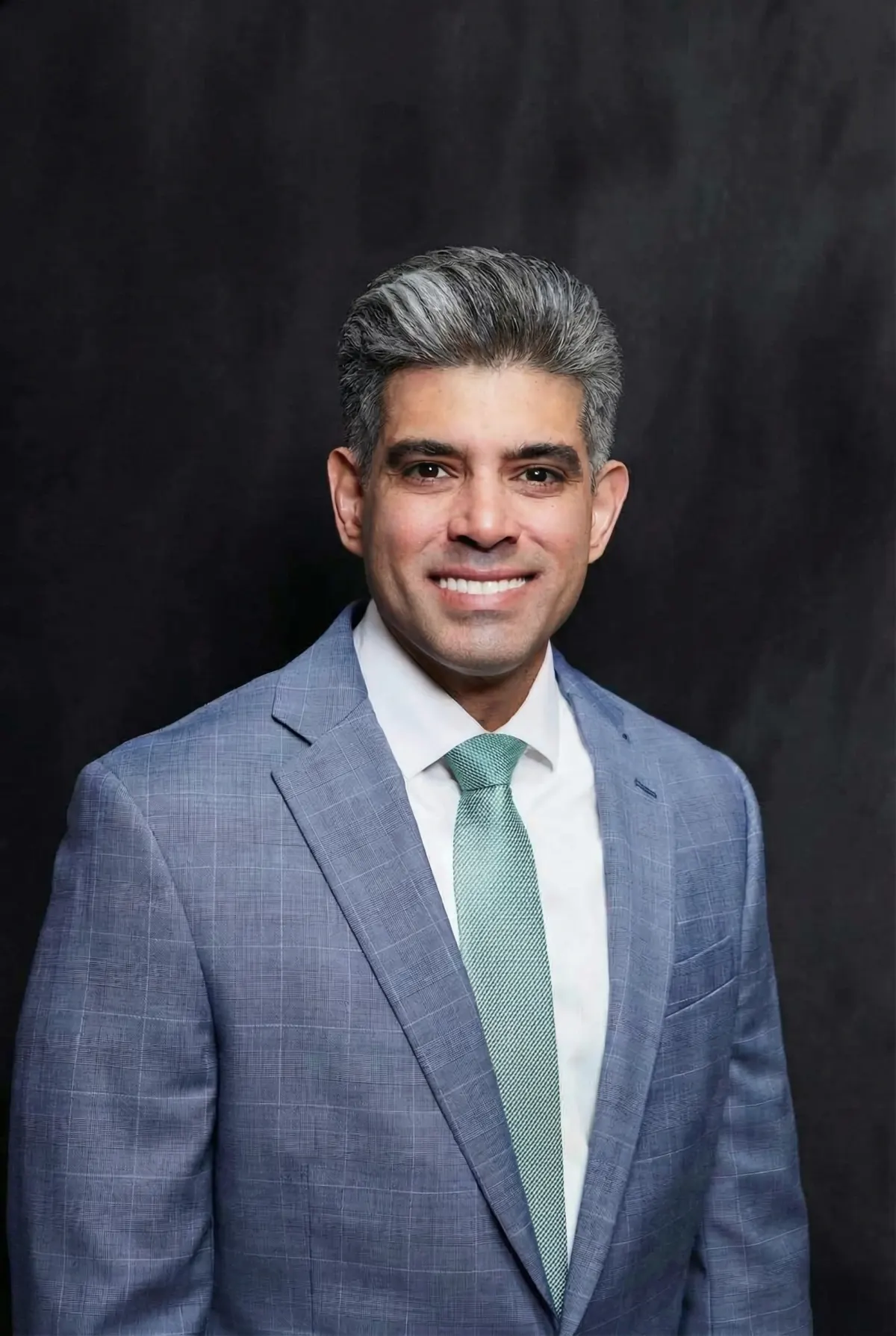
Legally reviewed by Tonmiel Rodriguez, Board Certified Criminal Trial Lawyer — last reviewed June 2026.
Facing a DV Charge in Polk County?
A conviction means 29 weeks of mandatory BIP — plus a permanent record that can never be sealed.
Board Certified in Criminal Trial Law by The Florida Bar · Reach Us 24/7 · Hablamos Español
What Is Florida’s Batterer’s Intervention Program Requirement?
Florida Statute § 741.281 mandates that any person convicted of a domestic violence offense — regardless of the severity, the underlying charge, or the sentence imposed — must be sentenced to complete a Batterer’s Intervention Program. The statute reads: “If a person is convicted of a crime of domestic violence, the court shall, as a condition of any sentence imposed, order the defendant to attend and successfully complete a batterers’ intervention program unless the court makes written findings that such a program is inappropriate.”
The “inappropriate” exception is rarely granted and requires specific written findings by the court. Courts in the 10th Judicial Circuit treat BIP as a standard component of a DV conviction, and the § 741.281 inappropriateness exception is rarely invoked — but it is not strictly automatic, and diversion dispositions (which involve no conviction) are governed by the conditions the State sets rather than by the § 741.281 mandate.
What Are the Specific Requirements of the BIP Program?
How Long Is the Program?
The program is 29 weeks — typically one session per week. Most programs schedule sessions once weekly for approximately 90 minutes to 2 hours. The total time commitment is approximately 43.5 to 58 hours of program participation, not counting travel time.
Who Must Certify the Program?
Under § 741.281, the program must be certified by the Florida Department of Children and Families (DCF) through the Domestic Violence program office. A list of certified providers is maintained by DCF. Not every counseling center or anger management program is a certified BIP provider — many are not. Attending an uncertified program does not satisfy the statutory requirement and will result in a probation violation.
Can the Court Substitute Anger Management or Counseling?
No. The Florida Supreme Court and appellate courts have consistently held that courts cannot substitute anger management, standard counseling, substance abuse treatment, or any other program for the DCF-certified BIP. The Legislature specifically created this requirement to address the specialized nature of domestic violence behavior — standard counseling modalities are not equivalent. If a defense attorney or prosecutor suggests that anger management will satisfy BIP, that advice is wrong.
How Much Does the BIP Cost in Florida?
DCF-certified BIP programs in Florida typically charge between $25 and $35 per session. With 29 weekly sessions, the total cost runs approximately $725 to $1,015 for the program itself. Many programs also charge:
- An intake/assessment fee of $25–$75
- A reinstatement fee if a participant misses sessions and must restart
- Administrative fees for attendance verification letters required by probation officers
Total out-of-pocket cost for completing BIP, with associated fees, typically ranges from $800 to $1,200. Financial hardship does not excuse the requirement. Courts expect defendants to find a way to complete the program, and probation officers regularly terminate probation for non-completion regardless of the reason cited.
What Happens If You Don’t Complete the BIP?
Failure to complete the BIP before your probation period ends is a violation of probation (VOP). Under Florida law, a VOP hearing exposes you to the full original maximum sentence for the underlying DV offense — up to 1 year in jail for misdemeanor battery, up to 5 years in prison for felony strangulation. The court has broad discretion at a VOP hearing. Even a first failure to complete may result in revocation and jail time, particularly when the failure was not timely addressed with the probation officer and the court.
Common reasons defendants fail to complete BIP and face VOPs:
- Missing sessions (programs typically allow 3 absences maximum before requiring restart)
- Moving out of the area and failing to transfer to a new certified provider
- Financial inability to pay program fees (not a legal excuse)
- Being re-arrested on another charge, which triggers program suspension
- Failing to complete within the probation period due to late enrollment
How Does BIP Affect Plea Negotiations in a DV Case?
The BIP requirement is a critical factor in evaluating any plea offer in a DV case. A plea to even the lowest-level DV offense — first-time misdemeanor battery with no prior record — triggers 29 weeks of mandatory BIP plus a permanent, non-sealable record. Before accepting any plea in a DV case, a defendant should understand not just the formal sentence (probation, fines, conditions) but the full collateral package: BIP, permanent record, federal firearms prohibition, immigration consequences, and custody implications.
In cases where the evidence is weak — no physical evidence, a recanting or uncooperative alleged victim, inconsistent statements — there is a real question whether accepting a plea (with all its permanent consequences) is better than fighting the charge at trial. I analyze this question in every case before recommending any disposition.
Does BIP Apply to Deferred Prosecution or Diversion Programs?
Because diversion does not result in a conviction, § 741.281 does not apply pretrial; instead, the State sets the diversion conditions, and in DV cases in the 10th Judicial Circuit those conditions commonly include a batterer’s program as part of program completion. Even though a diversion agreement does not result in a conviction, the BIP component is standard in DV diversion programs in Polk County. Completion of BIP (and other program conditions) is what results in the charge being dismissed at the end of the diversion period.
If you are offered a diversion program for a DV charge, understand that you will likely be required to complete BIP even without a conviction. The advantage of diversion is the absence of a conviction on your record — which means the permanent non-sealable DV conviction record is avoided if you complete the program successfully.
What Does the BIP Program Actually Involve?
DCF-certified BIP programs in Florida typically use a group session format — 8 to 15 participants per session — facilitated by a certified BIP counselor. Sessions address: patterns of controlling behavior, accountability and taking responsibility for past conduct, healthy relationship skills, anger and emotional regulation, the impact of domestic violence on children, and safety planning for victims. The curriculum is structured around accountability rather than open-ended therapy. Participants are expected to complete homework assignments, participate in group discussion, and demonstrate behavioral progress.
Attendance is tracked and reported to the probation officer. Probation officers also check with program facilitators on participant attitude and engagement — not just attendance. A participant who attends but is disruptive or non-participatory may generate a negative compliance report.
Related Domestic Violence Pages
- Domestic Violence Defense — Full Overview (Hub)
- Domestic Battery Defense (§ 784.03)
- Domestic Battery by Strangulation — Felony Defense
- Domestic Assault Defense
- Injunctions for Protection — Defense
Frequently Asked Questions — BIP Requirements in Florida
What is the Batterer’s Intervention Program (BIP) in Florida?
Under § 741.281, BIP is a mandatory 29-week program certified by DCF that every person convicted of a domestic violence offense must complete. It cannot be substituted with anger management, counseling, or any other program. Sessions are typically weekly and cost $25–$35 each ($725–$1,015 total).
How much does the BIP cost in Florida?
$25–$35 per session × 29 sessions = $725–$1,015. Add intake fees and administrative costs: typical total is $800–$1,200. Financial hardship does not excuse the requirement or prevent a VOP finding.
Can anger management substitute for BIP in Florida?
No. Under § 741.281 and consistent appellate authority, anger management cannot be substituted for a DCF-certified BIP. A judge may decline to impose BIP only in the narrow circumstances allowed by § 741.281 (stating on the record why the program would be inappropriate) or where the person does not qualify under § 741.325; otherwise it is required on a DV conviction.
What happens if I don’t complete BIP in Florida?
Failure to complete BIP before your probation ends is a violation of probation. A VOP hearing exposes you to the original maximum sentence for the underlying DV offense — up to 1 year for misdemeanor, up to 5 years for felony strangulation. Courts have broad VOP discretion.
Does BIP apply to misdemeanor DV convictions?
Yes. § 741.281 applies to any DV conviction — including first-time misdemeanor domestic battery or assault. The requirement is not limited to felonies. Even the lowest-level DV plea triggers 29-week mandatory BIP.
The 29-Week Program — What the Requirements Actually Are
Florida Statute § 741.281 mandates that any person convicted of a domestic violence offense complete a Batterer’s Intervention Program certified by the Florida Department of Children and Families before completing their sentence conditions. The legislative specification of 29 weeks — rather than a flexible timeframe — was deliberate. Research on behavior change programs found that shorter interventions did not produce lasting change in domestic violence contexts. The 29 weeks require the following:
- Weekly sessions: One group session per week, typically 90 minutes to 2 hours in length. Sessions are structured around a curriculum that includes education about the dynamics of power and control, the impact of domestic violence on victims and children, accountability for abusive behavior, and development of non-abusive relationship skills.
- Attendance requirements: Most DCF-certified providers require attendance at a minimum percentage of sessions — typically 80–90% — to certify completion. Missing too many sessions can result in being terminated from the program, requiring you to start over.
- Active participation: BIP is not a passive program. Facilitators track and document participation. Simply attending without engaging is not sufficient. Providers communicate with probation officers about participation quality, not just attendance.
- No substitution allowed: Florida Statute § 741.281 is explicit — BIP cannot be satisfied by anger management classes, individual therapy, couples counseling, religious counseling, or substance abuse treatment. The program must be DCF-certified. Judges cannot waive this requirement; it is statutory.
- Completion certificate: The provider issues a completion certificate upon successful completion. This certificate must be filed with the probation department before the probation term ends.
DCF-Certified Provider Requirements — What Qualifies
Not every counselor or treatment program qualifies as a BIP provider under Florida law. The Department of Children and Families certification requirements include:
- Use of a DCF-approved curriculum (typically a power and control-based model such as the Duluth Model or an approved alternative)
- Facilitators who meet DCF training and educational requirements — typically licensed mental health professionals with specific domestic violence intervention training
- Single-gender group format (most programs are men-only for male defendants)
- Regular reporting to courts and probation departments on attendance and participation
- Compliance with DCF monitoring and renewal requirements
Before enrolling in any BIP program, verify that the provider is on the current DCF-certified provider list for your county. Completing a non-certified program — no matter how lengthy or intensive — will not satisfy the § 741.281 requirement and will result in a probation violation. In Polk County, certified BIP providers include programs through local mental health agencies and certified private counseling practices. I can provide current referrals to certified providers in Polk, Highlands, Hardee, Osceola, and Hillsborough Counties.
What Happens If You Fail or Miss Sessions
Failure to complete the BIP program is one of the most common probation violations in domestic violence cases in Polk County. The consequences depend on the nature of the failure:
Missing Individual Sessions
Most programs allow a limited number of absences. If you miss sessions beyond the allowed limit, you may be administratively discharged from the program. At that point, you must enroll in a new program and start the 29-week clock over — at full cost again. Probation will be notified, and while a single restart may not result in a violation, a pattern of non-completion will.
Termination from the Program
If you are terminated from the program for cause — threatening behavior toward facilitators or other participants, failure to participate, or dishonesty — you will be discharged and reported to your probation officer. Termination for cause is treated more seriously than simple non-attendance and frequently results in a violation of probation affidavit being filed.
Failing to Complete Before Probation Ends
If the 29-week BIP program is not certified as complete before your probation term expires, you are in technical violation of probation. A violation of probation affidavit is filed, a warrant may issue, and you face a VOP hearing where the judge can: reinstate probation with extended conditions, modify the probation terms, or revoke probation and impose the original suspended sentence. For a first-degree misdemeanor domestic battery with a 12-month probation term, this means up to 1 year in jail on the VOP alone.
Cost Breakdown — What to Expect to Pay
BIP is a financially significant obligation on top of any fines, court costs, and other sentence conditions. A realistic breakdown looks like this:
- Per-session fee: Typically $25–$35 per week at most DCF-certified providers in Polk County.
- Total program cost: At $25–$35 per session for 29 sessions: approximately $725–$1,015.
- Intake/assessment fee: Many programs charge a one-time intake or assessment fee of $50–$100.
- Reinstatement after discharge: Starting over means paying the full intake fee again plus all session fees for the new 29-week cycle.
- Total financial exposure for a complete first cycle: $775–$1,115 realistically when intake fees are included.
Some programs offer sliding-scale fees based on income. DCF allows for reduced fees in cases of demonstrated financial hardship, but the reduced-fee option must be arranged with the provider directly — it is not automatic. If cost is a barrier, raise this with your attorney early. A plan that accounts for BIP affordability is part of a realistic plea resolution.
How BIP Completion Affects Case Outcome
The timing and status of BIP enrollment, and whether it is completed, can meaningfully affect the outcome of a domestic violence case in several ways.
Before Plea — Proactive Enrollment as Mitigation
Voluntarily enrolling in a DCF-certified BIP program before the case resolves sends a powerful signal to prosecutors and judges: acceptance of responsibility, proactive steps toward change, and reduced recidivism risk. In negotiations with the State Attorney’s Office, I present early BIP enrollment as part of a mitigation package that can support diversion eligibility, a reduced charge, or a more favorable plea offer. Judges regularly note early BIP enrollment as a positive factor at sentencing.
Diversion Eligibility
For defendants eligible for the Domestic Violence Pretrial Intervention program (PTI-DV), BIP is a required component of the diversion contract. Completing BIP while on diversion — and before the diversion term expires — results in dismissal of charges. Early enrollment accelerates the path to dismissal.
Post-Conviction — Required Condition of Probation
For defendants who plead or are convicted, BIP completion is a statutory condition of probation. Completing it early — well before probation ends — removes the ongoing compliance risk and allows for early termination of probation in appropriate cases.
Voluntary vs. Court-Ordered Enrollment — Timing Matters
There is a meaningful strategic difference between enrolling voluntarily before being ordered and enrolling only after a court order:
- Voluntary pre-plea enrollment: Demonstrates initiative and genuine commitment to change. Most powerful mitigation signal. Prosecutors and judges both respond positively. Can distinguish your case from others at the same stage.
- Post-plea, court-ordered enrollment: Standard compliance — you are doing what you were ordered to do. No mitigation value beyond demonstrating compliance with orders.
- Delayed or incomplete enrollment: Red flag to the court. Suggests non-compliance risk and makes the judge less likely to grant early termination or other favorable conditions.
If you are facing a domestic violence charge and are likely to need BIP regardless of outcome — either through a guilty plea or through a diversion program — there is generally no downside to starting voluntarily while the case is pending. The cost is the same either way, and the strategic benefit of voluntary enrollment is significant. Talk to your attorney about whether early BIP enrollment makes sense in your specific case before making that decision.
Facing a DV Charge With BIP Consequences — Polk County
Board Certified · Reach Us 24/7 · Hablamos Español