
Under Florida Statute § 827.03, child abuse is a third-degree felony carrying up to 5 years in prison and a $5,000 fine. Aggravated child abuse — involving great bodily harm, cruel or excessive punishment, or confinement in a cage or closet — is a second-degree felony with up to 15 years. Child neglect under § 827.03(1)(e) is also a third-degree felony, elevated to second-degree if great harm results. Polk County DCF and the State Attorney’s Office prosecute these cases aggressively — and false accusations, misidentified injuries, and disputed discipline are all defensible.
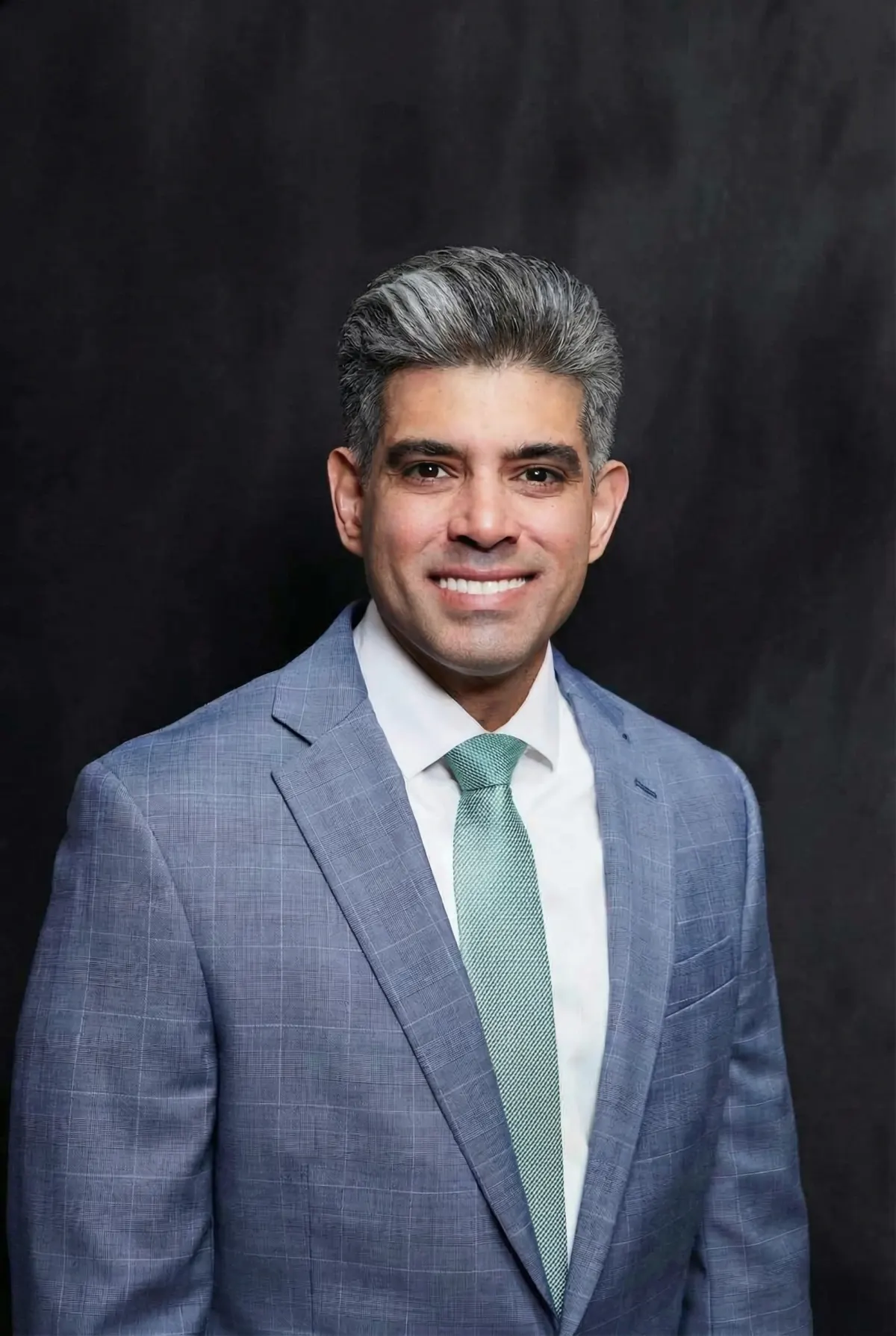
Legally reviewed by Tonmiel Rodriguez, Board Certified Criminal Trial Lawyer — last reviewed June 2026.
What Is Child Abuse Under Florida Law?
Florida § 827.03(1) defines child abuse as: (a) intentional infliction of physical or mental injury upon a child; (b) an intentional act that could reasonably be expected to result in physical or mental injury to a child; or (c) active encouragement of any person to commit an act that results in physical or mental injury to a child. “Child” means any person under 18. The statute covers both physical and mental abuse — but it also carves out a specific exception: Florida law permits “reasonable” corporal punishment as a defense.
What Are the Degrees and Penalties for Child Abuse in Florida?
| Charge | Statute | Degree | Max Prison |
|---|---|---|---|
| Child abuse | § 827.03(2)(c) | 3rd Degree Felony | 5 years / $5,000 |
| Aggravated child abuse (great bodily harm, cruel punishment) | § 827.03(2)(a) | 1st Degree Felony | 30 years |
| Aggravated child abuse (§ 827.03(2)(b) — cage/closet confinement) | § 827.03(2)(b) | 2nd Degree Felony | 15 years |
| Child neglect (no great harm) | § 827.03(1)(e) | 3rd Degree Felony | 5 years / $5,000 |
| Child neglect (great harm) | § 827.03(1)(e) | 2nd Degree Felony | 15 years |
Aggravated child abuse under § 827.03(2)(a) — involving great bodily harm, permanent disability, permanent disfigurement, or the use of a deadly weapon — scores as a first-degree felony on Florida’s Criminal Punishment Code with 74 points. Combined with victim injury enhancements, first-time defendants can face mandatory prison terms of 10 or more years.
Is Corporal Punishment a Defense to Child Abuse in Florida?
Yes — Florida law recognizes corporal punishment as a lawful parental discipline method. Under Florida common law and § 39.01(2), a parent, guardian, or person standing in loco parentis may use reasonable physical force to discipline a child. The key word is “reasonable.” Courts evaluate reasonableness by looking at: the age and size of the child, the nature of the discipline, the instrument used (hand versus belt versus object), whether marks or injury resulted, and the child’s behavior that prompted the discipline. A spanking that leaves temporary redness is not child abuse. A beating that leaves bruising, lacerations, or injuries beyond the disciplinary act is where the analysis becomes complex. I have defended parents in cases where lawful discipline was mischaracterized as abuse — both by DCF investigators and by prosecutors who never evaluated the reasonableness standard accurately.
How Does DCF Investigation Affect a Child Abuse Case in Florida?
When law enforcement or a mandatory reporter files a child abuse report in Polk County, the Florida Department of Children and Families (DCF) launches a parallel civil investigation alongside any criminal case. DCF has 24 hours to conduct an initial assessment and can interview children, parents, and witnesses without attorney presence. DCF findings — even if wrong — can be used by prosecutors in the criminal case. DCF can also remove children from the home, which creates pressure on parents to make statements in order to regain custody.
This dual-track system — criminal charges plus DCF investigation — is one of the most dangerous aspects of child abuse cases. Anything said to a DCF investigator can and will be used in the criminal prosecution. I advise every client facing a DCF investigation to involve a criminal defense attorney immediately — before giving any statement to DCF, regardless of how informal the conversation appears.
Are False Accusations of Child Abuse Common in Custody Disputes?
Yes — and Polk County prosecutors and DCF investigators are not always equipped to distinguish genuine abuse from accusations driven by custody conflict. In high-conflict divorce and custody situations, child abuse allegations are made at a rate that courts and researchers have documented. A 2019 study in the Journal of Family Psychology found that allegations of child abuse in custody disputes had false-report rates significantly higher than baseline. Children who are coached or repeatedly questioned by an aligned parent can produce statements that appear credible but reflect parental influence rather than actual events. I have defended these cases by retaining forensic interview experts, obtaining the complete DCF investigation record, and cross-examining the child forensic interview process — which is frequently flawed in these situations.
What Are the Best Defenses to Child Abuse Charges in Florida?
Was the Injury Caused by Accident or Misidentified?
Children sustain injuries from accidents, play, and medical conditions that can be misidentified as abuse. Conditions including Mongolian spots (often mistaken for bruising), bleeding disorders, osteogenesis imperfecta (“brittle bone disease”), and accidental bruising from normal activity are regularly mischaracterized. Medical expert testimony — particularly from pediatric specialists — is essential in any case where the State’s theory is that an injury pattern indicates abuse rather than accident or medical cause.
Was the Discipline Reasonable Under Florida Law?
When the alleged abuse is a spanking, swat, or physical discipline that caused no lasting injury, the reasonableness standard is the key defense. Factors that support the reasonable discipline defense include: discipline administered with a hand (not an object), discipline proportionate to the child’s behavior, no marks or injuries persisting beyond 24 hours, and no pattern of systematic cruelty. When the State charges a parent with child abuse based entirely on a physical discipline incident, the reasonableness defense can result in acquittal or dismissal when properly developed.
Are the Child’s Statements or Forensic Interview Reliable?
Florida requires that child forensic interviews follow specific protocols designed to minimize suggestion and contamination. When an interview deviates from the CornerHouse RATAC or NICHD Protocol — through leading questions, repeated interviewing, or conducting the interview in the presence of a biased parent — the reliability of the child’s statements is severely compromised. I obtain all forensic interview recordings and evaluate them against published reliability standards. Suggestive interviewing is a powerful ground for suppression or impeachment at trial.
Is There an Alternative Perpetrator Explanation?
In cases where multiple adults had access to the child — co-parents, stepparents, childcare workers, extended family — the State must prove beyond a reasonable doubt that the defendant, specifically, inflicted the injury. Evidence of alternative perpetrators or of access by others is relevant and admissible when it has direct connection to the alleged abuse. This defense is strongest in cases where the injury was discovered after the child had contact with multiple adults and the defendant is identified by elimination rather than direct evidence.
What Happens to Child Abuse Cases in Polk County Courts?
Child abuse cases in Polk County are prosecuted through the 10th Judicial Circuit State Attorney’s Office, which has a dedicated Crimes Against Children unit. Cases involving DCF substantiation are more likely to proceed to trial rather than plea — because prosecutors feel the backing of DCF’s civil findings. Judges in Polk County treat child abuse cases seriously at every stage: bail is often set high, no-contact orders are imposed immediately, and probation sentences frequently include mandatory parenting courses, counseling, and continued DCF supervision. A conviction — even with no prison — permanently affects parental rights, custody proceedings, and background checks.
Frequently Asked Questions — Child Abuse Defense in Florida
What is the penalty for child abuse in Florida?
Child abuse under § 827.03(2)(c) is a third-degree felony with up to 5 years in prison and a $5,000 fine. Aggravated child abuse involving great bodily harm or cruel punishment is a first-degree felony with up to 30 years. Aggravated child abuse by cage or closet confinement is a second-degree felony with up to 15 years. Child neglect without great harm is a third-degree felony; with great harm, it is a second-degree felony.
Is spanking illegal in Florida?
No — corporal punishment is legal in Florida when it is reasonable and does not cause injury beyond temporary redness or discomfort. Florida law and § 39.01(2) recognize reasonable physical discipline as a parental right. Spanking becomes child abuse when it causes lasting injury, uses an instrument in a manner disproportionate to the child’s behavior, or is administered in a cruel or unusual manner. What constitutes “reasonable” is a fact-specific inquiry that often requires expert testimony to properly defend.
Can I be charged with child abuse based on a custody dispute accusation in Polk County?
Yes — and it happens regularly. Allegations in custody disputes are among the most common sources of child abuse charges in Polk County. The State Attorney’s Office will prosecute based on a child’s statements and DCF findings even when a custody dispute is the clear backdrop. A criminal defense lawyer needs to be involved immediately — before any statement is made to DCF or law enforcement — to protect your rights in both the criminal and family court proceedings simultaneously.
What should I do if DCF shows up at my door in Florida?
Cooperate with access to your children as required by law — but do not give a voluntary statement without a criminal defense attorney present. DCF investigators are not law enforcement, but anything you say will be documented and shared with prosecutors if a criminal case is filed. You can ask DCF to schedule a follow-up interview and call an attorney first. In Polk County, DCF investigations move quickly: retain counsel within 24 hours of first contact if possible.
How does a child abuse conviction affect parental rights in Florida?
A child abuse conviction in Florida creates grounds for termination of parental rights under § 39.806(1)(f) and can result in permanent loss of custody. Even a conviction without incarceration will appear on background checks and affect employment with children, teaching certifications, nursing licenses, and any position requiring a Level 2 background screening. The consequences extend far beyond criminal sentencing.
Charged with Child Abuse in Polk County?
A conviction affects your parental rights, your record, and your future — not just prison time. Call Board Certified Criminal Trial Lawyer Tonmiel Rodriguez before you speak to DCF or law enforcement.
Board Certified in Criminal Trial Law by The Florida Bar · Reach Us 24/7 · Hablamos Español
The Corporal Punishment Defense
Florida law has never prohibited reasonable corporal punishment of a child by a parent or person in loco parentis. Under § 39.01(2), the definition of “abuse” expressly excludes “reasonable discipline by a parent, legal custodian, or school personnel to a child.” The key word is “reasonable.” What constitutes reasonable discipline is a fact question, and it depends on the child’s age, the nature of the act that prompted discipline, the instrument used (if any), the resulting injury, and the community standards applicable in the relevant context. A belt used on a 10-year-old’s buttocks that leaves no marks may be reasonable. The same act leaving bruises or welts may not be. I defend parents charged with child abuse who crossed no line the law actually prohibits — whose actions were within the range of reasonable parental discipline that Florida courts have consistently upheld.
False Accusations in Custody Disputes
Child abuse allegations made during or immediately following a divorce or custody modification proceeding require heightened scrutiny. Children are susceptible to suggestion, particularly when coached or influenced by a parent who stands to gain sole custody. I have handled numerous cases in Polk County where the child abuse charge emerged within weeks of a custody filing — and in each case, the investigation revealed either coaching, a prior history of false allegations, or a child’s account that had changed materially between the first interview and subsequent statements. I retain child interview specialists and forensic psychologists to evaluate interview methodology used by law enforcement and DCF. When the interview violated accepted NICHD (National Institute of Child Health and Human Development) protocol — using leading questions, repeated questioning, or suggesting answers — that goes directly to the reliability of the child’s statement and, in turn, to reasonable doubt.
DCF Investigations: Parallel and Simultaneous
A child abuse criminal charge is almost always accompanied by a parallel DCF (Department of Children and Families) investigation. These are two separate proceedings with different standards and different consequences — but they are not independent. Statements made to DCF investigators can be used in the criminal case. A DCF “verified” finding of abuse becomes powerful circumstantial evidence. And a DCF case that results in termination of parental rights can proceed simultaneously with — and faster than — the criminal case. I advise clients from day one to make no statements to DCF without counsel present. DCF investigators are not police, but their reports go directly to prosecutors. Protecting yourself in the DCF proceeding is part of the criminal defense strategy.
Mandatory Reporting and the Investigation Timeline
Under § 39.201, Florida has one of the broadest mandatory reporting laws in the country. Any person — not just healthcare providers — who knows or has reasonable cause to suspect child abuse, neglect, or abandonment must report immediately to the Florida Abuse Hotline. Reports are investigated within 24-72 hours depending on priority classification. The gap between the initial report and the arrest can span days to months — and during that time, investigators are building their case. As the weeks pass, physical evidence degrades, witness memories harden, and children are re-interviewed. The earlier you retain counsel in a child abuse investigation — before an arrest, before a formal charge — the more we can do to shape the investigation and protect you from a charge that may be based on incomplete or inaccurate information.
Aggravated Child Abuse: Elements and Exposure
Under § 827.03(2)(a), aggravated child abuse is a first-degree felony carrying up to 30 years in state prison. The statute covers: intentionally committing an aggravated battery on a child; willfully torturing, maliciously punishing, or willfully and unlawfully caging a child; and knowingly and willfully abusing a child resulting in great bodily harm, permanent disability, or permanent disfigurement. Each of these prongs has specific legal requirements. “Malicious punishment” requires evidence of ill will or spite beyond ordinary punishment. “Great bodily harm” must exceed ordinary injury. “Permanent disability” requires expert medical testimony. I attack the aggravated elements specifically — because the difference between aggravated child abuse (30 years) and simple child abuse (5 years) comes down to the facts, the medical evidence, and the expert testimony. That gap is where a skilled trial lawyer operates.
Related Practice Areas
- Violent Crimes Defense — Overview
- Domestic Violence Defense
- Kidnapping & False Imprisonment — § 787.01
- Aggravated Battery — § 784.045
- Sex Crimes Defense
Board Certified. 75+ Jury Trials. Bartow, FL.
The Rodriguez Law Office defends child abuse and neglect charges throughout the 10th Judicial Circuit — Polk, Highlands, and Hardee Counties.
Board Certified · Reach Us 24/7 · Hablamos Español