
Under Florida Statute § 948.06(8), a Violent Offender of Special Concern (VOSC) is a probationer whose underlying conviction falls within a specific list of serious violent offenses — including murder, sexual battery, robbery, burglary with assault, kidnapping, and others. If a VOSC violates any condition of probation, Florida law mandates that no bond be set pending the VOP hearing. The court can impose any sentence up to the statutory maximum for the original offense. A technical violation — missing a check-in, failing a drug test, or losing a job — can result in maximum state prison time with zero judicial discretion over pretrial release.
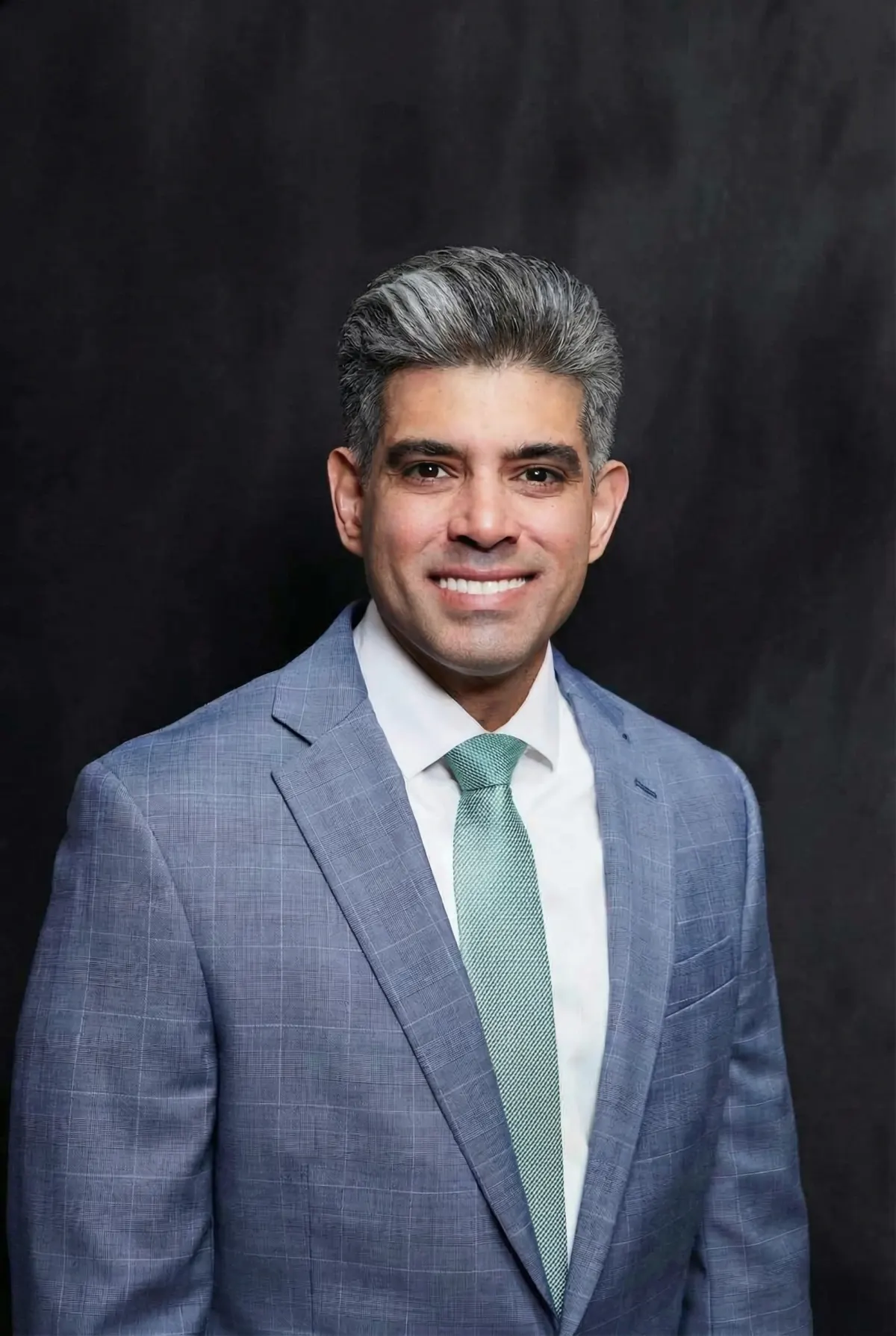
Legally reviewed by Tonmiel Rodriguez, Board Certified Criminal Trial Lawyer — last reviewed June 2026.
What Is a Violent Offender of Special Concern in Florida?
VOSC status under § 948.06(8) is not a new criminal charge — it is a classification that applies to a person already on probation whose original conviction was for one of the following qualifying offenses: murder or attempted murder (§ 782.04), sexual battery (§ 794.011), robbery (§ 812.13), carjacking (§ 812.133), home-invasion robbery (§ 812.135), aggravated battery (§ 784.045), aggravated assault with a deadly weapon (§ 784.021), kidnapping (§ 787.01), burglary with assault or battery (§ 810.02(2)(a)), and others enumerated in § 948.06(8)(c). If the original conviction — or even the charged conduct, regardless of the conviction offense — falls within this list, VOSC status applies to the entire probationary term.
What Happens When a Violent Offender of Special Concern Violates Probation?
Under § 948.06(8)(b), when a VOSC is arrested for a violation of probation, the court is prohibited from setting any bail pending the VOP hearing. This is a complete statutory prohibition, not merely a presumption against bail. The VOSC sits in county jail from arrest until the VOP hearing is concluded, regardless of the nature of the violation. A person classified as a VOSC who misses a single probation appointment or tests positive for marijuana will be held without bond while the violation is resolved.
At the VOP hearing itself, the judge can impose any lawful sentence for the original offense — up to the statutory maximum — based on a finding by a preponderance of the evidence, not beyond a reasonable doubt. The normal rules of evidence are relaxed at VOP hearings. Hearsay is generally admissible. The constitutional protections that apply at a criminal trial are reduced. For a VOSC, this means a probation violation proceeding can result in the same sentence exposure as a full trial on the original charge.
What Are the Most Common Ways VOSC Clients Violate Probation in Polk County?
Based on cases handled through the 10th Judicial Circuit, the most common VOSC probation violations involve: (1) new criminal charges — even misdemeanors or charges that are eventually dropped; (2) failed drug or alcohol tests — a single positive result triggers arrest; (3) missed probation officer check-ins; (4) failure to complete required treatment programs (domestic violence counseling, substance abuse treatment, anger management); (5) change of address without notification; and (6) failure to maintain employment when employment was a condition. Any of these violations — regardless of how minor — triggers the no-bond provision and full sentencing exposure for a VOSC.
Can a VOSC Probation Violation Result in Maximum Prison Time for a Minor Violation?
Yes. Florida law gives the judge complete discretion to impose any sentence up to the statutory maximum on a VOP finding, regardless of the severity of the violation. A VOSC on probation for first-degree felony robbery (life maximum) who misses two probation check-ins can be sentenced to life imprisonment. The violation does not need to be proportionate to the punishment — the judge is only constrained by the statutory maximum for the original offense. I have seen VOSC clients with clean records face decades in prison for technical violations that would result in a warning for a standard probationer.
What Are the Best Defense Strategies in VOSC Probation Violation Cases?
Did the Alleged Violation Actually Occur?
The threshold question in any VOP case is whether the violation actually occurred. Even under the relaxed preponderance standard, the State must prove the violation happened. Missed appointments can be explained by documented emergencies. Positive drug tests can be challenged on chain of custody, testing protocol, and prescription medication explanations. New arrest charges — the most common VOSC trigger — can be defended to acquittal or no-information, which eliminates the VOP basis entirely. Winning the underlying new charge, or getting it dropped, may resolve the VOSC violation simultaneously.
Was the Violation Willful and Substantial?
Florida courts have held that a probation violation must be both “willful and substantial” to support revocation. A missed appointment caused by a medical emergency, a hospitalization, or circumstances beyond the probationer’s control may not satisfy the willfulness requirement — even under the preponderance standard. I document every mitigating circumstance surrounding a VOSC violation and present it at the VOP hearing as both a factual defense and a sentencing argument.
Can the Conditions of Probation Be Modified Before a Violation Occurs?
Yes — and proactive modification is one of the best tools in VOSC management. If a VOSC client foresees difficulty complying with a condition (a treatment requirement they cannot access in their area, an employment condition when employment is scarce, or a reporting schedule that conflicts with work), a motion to modify probation can be filed before a violation occurs. Courts are far more receptive to modification requests than they are to sentencing arguments after a violation has been charged.
What Is the Sentencing Argument at a VOSC VOP Hearing?
Even when a violation is established, the judge retains discretion over the sentence imposed — including the option to reinstate probation with modifications rather than revoke it. The sentencing argument at a VOSC VOP hearing must be comprehensive: years of compliance before the violation, the nature and circumstances of the violation, family support, employment history, treatment completion, and the disproportionate consequence of maximum incarceration for what may be a minor technical failure. I prepare full mitigation presentations for every VOSC VOP hearing — because the difference between reinstatement and decades in prison can come down to how the judge views the totality of the probationer’s compliance history.
Frequently Asked Questions — Violent Offender of Special Concern Defense
What offenses qualify for Violent Offender of Special Concern status in Florida?
Under § 948.06(8)(c), VOSC qualifying offenses include: murder (§ 782.04), sexual battery (§ 794.011), robbery (§ 812.13), carjacking (§ 812.133), home-invasion robbery (§ 812.135), aggravated battery (§ 784.045), aggravated assault with a deadly weapon (§ 784.021), kidnapping (§ 787.01), false imprisonment of a child under 13 (§ 787.02), burglary with assault or battery (§ 810.02(2)(a)), lewd or lascivious offense committed upon a person under 12 (§ 800.04), and felony battery on law enforcement (§ 784.07).
Can a VOSC get bond while waiting for a VOP hearing in Florida?
No — under § 948.06(8)(b), the court is statutorily prohibited from setting any bail for a VOSC pending a VOP hearing. This is a complete prohibition, not a high bail: the VOSC is held without bond from arrest until the VOP hearing is concluded. This makes swift VOP resolution critical — every day in county jail is a day the VOSC cannot work, maintain family relationships, or demonstrate compliance.
What is the burden of proof at a VOSC probation violation hearing?
The State must prove a probation violation by a preponderance of the evidence — meaning “more likely than not” — not beyond a reasonable doubt. Evidence rules are relaxed: hearsay is admissible, and the defendant does not have a Sixth Amendment right to confrontation in the same way as at trial. However, the violation must still be proven to have actually occurred — the State cannot rely solely on an arrest with no supporting evidence of the underlying conduct.
Can a judge reinstate probation instead of sending a VOSC to prison?
Yes. Even after finding a violation, the judge retains discretion to reinstate probation with modifications, impose a split sentence (short jail term followed by reinstatement), or revoke probation entirely and impose a prison sentence. The sentencing argument and mitigation presentation at the VOP hearing is critical — judges who see years of compliance and a single isolated violation are more likely to reinstate than judges who see a pattern of noncompliance or a new violent offense.
Complete List of VOSC Qualifying Offenses Under § 948.06(8)(c)
Florida Statute § 948.06(8)(c) defines a “violent offender of special concern” as a person on probation or community control for conviction of, or with a prior record of conviction for, a qualifying offense enumerated in the statute. The complete list under § 948.06(8)(c)1 includes:
- Murder or attempted murder (§ 782.04)
- Sexual battery (§ 794.011)
- Robbery (§ 812.13)
- Carjacking (§ 812.133)
- Home-invasion robbery (§ 812.135)
- Aggravated battery (§ 784.045)
- Aggravated assault with a deadly weapon (§ 784.021) — note: only the deadly weapon variant qualifies, not all aggravated assault
- Kidnapping (§ 787.01)
- False imprisonment of a child under 13 years of age (§ 787.02(3))
- Burglary with assault or battery upon a person (§ 810.02(2)(a))
- Lewd or lascivious offense committed upon or in the presence of a person under 12 (§ 800.04)
- Felony battery upon a law enforcement officer or firefighter (§ 784.07)
- Escape (§ 944.40) while serving a sentence for any of the above offenses
VOSC status can also attach when the charged offense — regardless of what conviction resulted — involved conduct that would have qualified. Prosecutors occasionally argue VOSC status based on the original arrest conduct even when the conviction was for a lesser included offense. This is a contested legal issue I litigate when the qualifying offense determination itself is disputed.
How VOSC Status Affects Bond on a Violation of Probation in Florida
The no-bond provision in § 948.06(8)(b) is the most immediately devastating consequence of VOSC status. Under the statute, when a court determines that a VOSC has violated probation, the court “shall not” set any amount of bail pending the VOP hearing. The statutory prohibition is absolute — unlike the standard VOP analysis where bond is discretionary, a VOSC’s bond is zero by statute.
The VOSC sits in county jail, usually Polk County Jail in Bartow, from the date of arrest until the VOP hearing is concluded. VOP hearings in the 10th Circuit can take weeks to months to schedule depending on case complexity, the availability of witnesses, and whether new criminal charges are pending simultaneously. Weeks in jail can cost the client a job, housing, and the income their family depends on. This is a pretrial detention rule, not a sentencing consequence; the judge has no authority to set bond.
What I do immediately when a VOSC client is arrested: I contact the VOP judge’s office to calendar the VOP hearing as quickly as the rules and evidence allow, I begin gathering mitigation documentation before the hearing occurs, and I analyze whether the violation allegation itself is legally sustainable — because if the violation can be challenged factually, dismissal before hearing is the best possible outcome.
VOSC vs. Habitual Violent Felony Offender — What Is the Difference?
VOSC status and Habitual Violent Felony Offender (HVFO) designation under § 775.084 are often confused but serve different legal purposes and arise in different contexts:
| Feature | VOSC (§ 948.06(8)) | Habitual Violent Felony Offender (§ 775.084) |
|---|---|---|
| When it applies | Person already on probation for a qualifying offense who violates probation | New felony conviction where defendant has qualifying prior convictions |
| Effect on bond | Mandatory no-bond pending VOP hearing | No direct bond effect — enhances sentencing on new conviction |
| Effect on sentence | Judge can impose any sentence up to statutory max for original offense | Imposes mandatory minimum sentences on the new conviction: 15 years (1st deg. felony), 10 years (2nd deg.), 5 years (3rd deg.) |
| Timing requirement | Current probation status at time of violation | Prior qualifying conviction within 5 years (or released from incarceration within 5 years) |
| Judicial discretion | Judge retains sentencing discretion within statutory max | Mandatory minimums — no judicial discretion below the floor |
| Prosecution trigger | Probation officer files affidavit of violation | Prosecutor files written notice before trial or plea |
The critical distinction: VOSC is a probation supervision classification that affects the VOP process; HVFO is a sentencing enhancement that affects the punishment on a new conviction. A person can be both — on VOSC probation who is then also charged with a new offense and subjected to HVFO sentencing. Understanding both designations and their interaction is essential in cases where a new arrest occurs while the client is on VOSC probation.
What Are the Collateral Consequences of a VOSC Probation Revocation?
When a VOSC probation is revoked and a prison sentence is imposed, the collateral consequences extend well beyond the prison term itself:
- Credit for time served: The VOSC may receive credit for time spent in county jail awaiting the VOP hearing — but the calculation depends on whether the sentence is consecutive or concurrent with any new charges.
- 85% time requirement: A prison sentence imposed on a violent felony VOP revocation is subject to Florida’s 85% minimum service requirement — no parole, no early release beyond the 15% gain-time maximum.
- Subsequent probation eligibility: A revoked VOSC probation often results in a straight prison sentence without additional probation. The judge typically does not split a sentence for a VOSC who has already failed probation, though it is possible in extraordinary circumstances.
- Future VOSC status: A revoked VOSC probation results in a new qualifying conviction that follows the defendant to any future probationary sentence. Future probation — if ever granted again — will again carry VOSC status and the no-bond provision for any future violation.
- Employment and licensing: The original qualifying offense conviction and any new conviction resulting from a VOP hearing both appear on the criminal record, compounding the barriers to employment and licensing that a VOSC faces post-release.
Practical Defense Strategies at a VOSC VOP Hearing in Polk County
VOSC VOP hearings in the 10th Circuit are before the criminal division judge who handled the original case — in Polk County, that is one of the criminal circuit judges in Bartow. These judges have seen the defendant before, have context from the original sentencing, and have their own approach to violations. Some are willing to reinstate with modifications for a first violation backed by a clean compliance history; others are less receptive. I adapt the mitigation strategy to the specific judge assigned to the case.
The hearing itself is less formal than a trial — hearsay is admissible, the rules of evidence are relaxed, and the State’s burden is preponderance. But that does not mean the hearing is a formality. I approach every VOSC VOP hearing with the same preparation as a trial: witness preparation, documentary mitigation, legal challenges to the violation’s sufficiency, and a full sentencing argument even if the violation is proven. How well the hearing is presented, not just the underlying facts, often decides whether the judge reinstates or revokes.
Arrested for a VOSC Probation Violation in Polk County?
No bond. Life exposure for a missed check-in. You need a Board Certified trial lawyer immediately.
Board Certified in Criminal Trial Law by The Florida Bar · Reach Us 24/7 · Hablamos Español
Related Practice Areas
- Violent Crimes Defense — Overview
- Robbery Defense — § 812.13
- Burglary Defense — § 810.02
- Aggravated Battery — § 784.045
- Probation Violation Defense
Board Certified. 75+ Jury Trials. Available Now.
The Rodriguez Law Office handles VOSC VOP hearings throughout Polk, Highlands, Hardee, Osceola, and Hillsborough Counties. Don’t face this without experienced counsel.
Board Certified · Reach Us 24/7 · Hablamos Español