
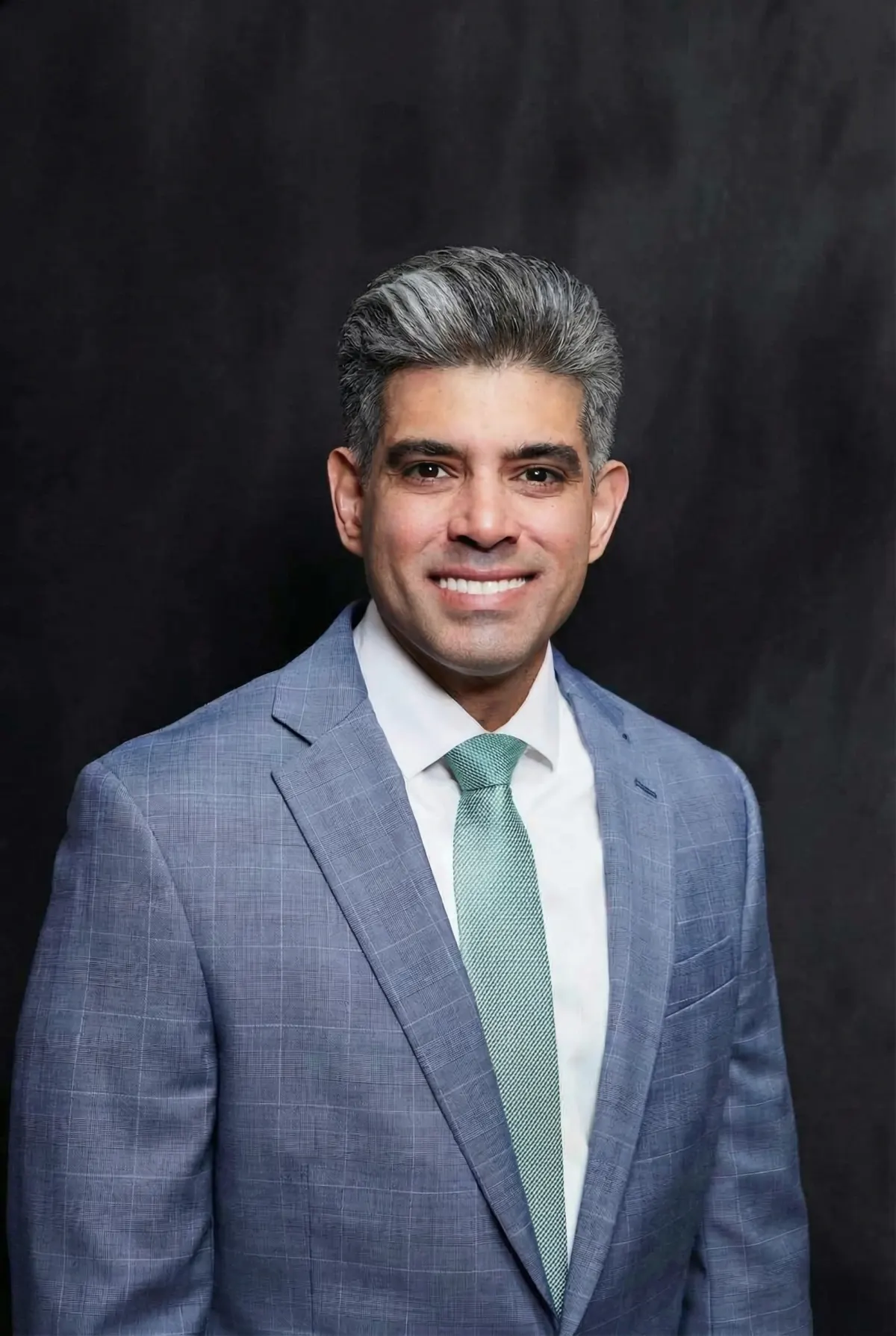
Legally reviewed by Tonmiel Rodriguez, Board Certified Criminal Trial Lawyer — last reviewed June 2026.
Teachers & Educators Facing Criminal Charges in Florida
You chose teaching. That means you chose a profession that required background checks, fingerprinting, and certification — a profession built on the community’s trust that you are fit to be in a room with children every day. Now you are facing a criminal charge. It might be a DUI after a staff event, a domestic dispute, or a drug possession charge. Whatever the charge, you know what it means: the Polk County School Board, Highlands County School Board, or Hardee County School Board is going to find out. And the Florida Education Practices Commission is going to open a file.
Teachers in the 10th Judicial Circuit face two parallel threats: their employment and their Florida Educator Certificate. These are different proceedings, run by different agencies, applying different standards — but they feed each other in ways that make the combined impact worse than either one alone. You can find another job, but losing your certificate ends your ability to teach in Florida.
I am a Board Certified Criminal Trial Lawyer who handles criminal cases in Polk, Highlands, and Hardee Counties. When teachers and educators face criminal charges, the defense strategy must account for both tracks from the first day. Call (863) 774-4556.
Two Separate Proceedings — Employment and Certification
Understanding the distinction between employment and certification is the starting point for any educator facing criminal charges:
Employment — The School District
The school district — Polk County Public Schools, Highlands County School District, or Hardee County School District — is the employer. Employment decisions are governed by the district’s policies, the teacher’s collective bargaining agreement (if applicable), Chapter 1012 of the Florida Statutes regarding personnel, and the Florida Constitution. The school board can suspend or terminate employment for misconduct, immorality, or just cause — standards defined in § 1012.33.
The district investigation is internal and administrative. It is separate from the criminal case and does not have the same procedural protections. What you say to a district investigator can be used against you. Employment decisions can be made before the criminal case is resolved.
Certification — The Education Practices Commission
The Florida Education Practices Commission (EPC) is the agency that can suspend, revoke, or impose conditions on a Florida Educator Certificate. It is part of the Florida Department of Education and operates under Chapter 1012 and the Education Practices Rules (Chapter 6B-11, Fla. Admin. Code).
EPC proceedings are administrative law proceedings — more formal than a district investigation but less formal than a criminal trial. The EPC can take action based on a conviction, a guilty or no-contest plea, or its own findings of conduct that violates the moral character or professional fitness standards in § 1012.795.
A critical point: the EPC and the school district do not coordinate their actions. A teacher cleared by the district can still face EPC certification revocation, and a teacher who keeps their certificate can still be fired by the district. The outcomes of these two proceedings are independent.
The 48-Hour Reporting Rule — Florida Statute § 1012.795(1)(p)
Florida Statute § 1012.795(1)(p) requires an educator to report to the Education Practices Commission, within 48 hours, any arrest for:
- A crime involving alcohol
- A crime involving controlled substances
- A crime of moral turpitude
Forty-eight hours is one of the shortest self-reporting windows in any licensed profession in Florida. Most educators are not aware of this requirement until it is too late. Missing the 48-hour window is itself a separate ground for discipline — and it signals to the EPC that the educator tried to conceal the arrest.
What constitutes a “crime of moral turpitude” is deliberately broad and covers conduct involving dishonesty, deception, or depravity. Courts and boards have applied this standard to theft offenses, fraud, sexual misconduct, and violent crimes.
Employer Reporting — The School District’s Separate Obligation
Under Florida law, school principals and administrators who become aware of a teacher’s arrest for certain offenses are also required to report to the district and, in some cases, to law enforcement. This means the district may already know about an arrest before the educator reports it — making early, voluntary reporting even more important for the educator’s position with both the district and the EPC.
The Morality Clause and Fitness Standards
Florida Statute § 1012.795 lists the grounds for EPC discipline. The most commonly applied grounds in criminal charge cases are:
- § 1012.795(1)(c): Has been convicted of a misdemeanor, felony, or any criminal charge other than a minor traffic violation.
- § 1012.795(1)(d): Has had a professional license suspended or revoked in another state (for educators who hold multiple licenses).
- § 1012.795(1)(f): Upon investigation, has been found guilty of personal conduct that seriously reduces the educator’s effectiveness as an employee of the school board.
- § 1012.795(1)(g): Has been found guilty of immorality, misconduct in office, incompetency, gross insubordination, willful neglect of duty, or drunkenness.
- § 1012.795(1)(p): Has failed to report an arrest as required.
“Immorality” is defined in Chapter 6B-4.009(2) of the Florida Administrative Code as conduct inconsistent with the standards of public conscience and good morals, sufficiently notorious to bring the individual or education profession into public disgrace or disrespect. This is a broad standard that has been applied to off-duty conduct that has no direct connection to the classroom.
Background Screening — The Jessica Lunsford Act
The Jessica Lunsford Act (2005) — named after a nine-year-old Citrus County girl murdered by a convicted sex offender who had access to her school — created one of the strictest background screening regimes for school personnel in the country. Under the Act, all instructional personnel and school volunteers must undergo Level 2 background screening under Chapter 435.
Level 2 screening includes FBI fingerprint-based national criminal history checks and review against sex offender, predator, and abuse registries. Level 2 screening applies to:
- All certified teachers and instructional personnel
- School administrators and principals
- Any school employee or volunteer with direct access to students
- Contractors and vendors with direct, unsupervised student contact
Absolute Disqualifiers Under the Act
Certain offenses under the Jessica Lunsford Act are absolute disqualifiers — there is no exemption process available:
- Any sexual offense listed in § 775.21 (sexual predator) or § 943.0435 (sex offender) involving a minor
- Lewd and lascivious offenses involving minors under Chapter 800
- Certain homicide and violent felony offenses
For offenses that are disqualifying but not absolute, the Chapter 435 exemption process is available. See Professional License Defense — Overview for information on the exemption petition.
Common Criminal Charges for Educators and Their Impact
| Charge | 48-Hour Report Required? | EPC Action Risk | Notes |
|---|---|---|---|
| DUI (first offense) | Yes | Moderate | Crime involving alcohol; must report within 48 hours |
| Drug Possession | Yes | High | Controlled substance offense; Level 2 screen issue |
| Domestic Battery | Yes (moral turpitude) | High | Immorality; effectiveness impairment |
| Theft / Fraud | Yes (moral turpitude) | High | Dishonesty offenses historically treated seriously |
| Battery (non-domestic) | Yes (moral turpitude) | Moderate-High | Depends on circumstances and educator’s record |
| Reckless Driving | Possibly not | Lower | Analyze whether alcohol/drugs involved |
| Any sex offense involving minor | Yes | Extreme — possible absolute disqualifier | Jessica Lunsford Act; employment and certification at immediate risk |
Defense Strategies for Educators
- Charge-specific analysis: Not every criminal charge triggers the EPC’s most serious response. Reducing a felony to a misdemeanor, securing a withheld adjudication, or diverting the charge to a pre-trial intervention program may dramatically change the licensing outcome. The criminal defense strategy is built with the EPC consequences in view from day one.
- Proactive 48-hour reporting: If reporting is legally required, it should happen on time and with a carefully drafted self-report that is accurate but does not volunteer admissions beyond what is required. The manner of the report matters. A proactive, complete report is far better than a late or incomplete one.
- Mitigation package for the EPC: The EPC considers the educator’s overall record — years of service, performance evaluations, absence of prior complaints, community standing, and evidence of rehabilitation. A well-organized mitigation package presented early in the EPC proceeding positions the educator for the least severe sanction available.
- Pre-trial intervention and diversion: For qualifying charges, the State Attorney’s Office PTI (pre-trial intervention) program results in dismissal upon completion. A dismissed charge has better licensing consequences than a conviction. PTI eligibility depends on the charge and the defendant’s history.
- Employment separation strategy: If termination by the district is likely regardless of the criminal outcome, structuring a voluntary resignation versus a termination “for cause” has implications for unemployment eligibility and future employment references — separate from the certification question.
Related Pages
- Professional License Defense — Overview
- Healthcare Workers Facing Criminal Charges
- DUI Defense — Florida
- Collateral Consequences of a Florida Conviction
- Sealing and Expungement of Criminal Records
Frequently Asked Questions
Do teachers in Florida have to report a criminal arrest to the Department of Education?
Yes. Florida Statute § 1012.795(1)(p) requires an educator to report an arrest involving alcohol, controlled substances, or a crime of moral turpitude to the Education Practices Commission within 48 hours. Missing this deadline is itself a separate ground for discipline.
Can a teacher lose their certification for a DUI in Florida?
Yes, potentially. A DUI falls within the category of crimes involving alcohol under § 1012.795. The Education Practices Commission has the authority to suspend or revoke certification based on a DUI conviction, though outcomes depend on the educator’s record and case circumstances.
Is the employment investigation by the school district separate from the certification investigation?
Yes — completely separate. The school district handles employment under § 1012.33. The Education Practices Commission handles certification under § 1012.795. They apply different standards, and the outcomes are independent. A teacher can be terminated and keep their certificate, or keep their job and lose certification.
What is the Jessica Lunsford Act?
The Jessica Lunsford Act (2005) created Level 2 background screening requirements for all Florida school instructional personnel and volunteers. Certain sexual offenses involving minors are absolute disqualifiers with no exemption process available.
Can a teacher keep working while their criminal case is pending?
It depends on the charge and the school district’s response. School districts typically place teachers on administrative leave pending criminal charges. Some charges may result in immediate suspension. Certification action by the EPC is a separate question.
Your Teaching Career Deserves the Same Defense as Your Freedom
Teachers and educators facing criminal charges in Polk, Highlands, and Hardee Counties need criminal defense that understands the Education Practices Commission — from day one.
Board Certified in Criminal Trial Law by The Florida Bar · Reach Us 24/7 · Hablamos Español
How Florida’s Education Practices Commission Handles Criminal Charges
The Education Practices Commission (EPC) is the body that handles disciplinary proceedings against Florida educators’ certificates. When a teacher is arrested or convicted of a crime, the EPC process typically begins with an investigation by the Office of Professional Practices Services (OPPS), which is an arm of the Florida Department of Education. OPPS reviews the criminal record, interviews relevant parties, and prepares a recommendation to the EPC. The EPC then holds a formal hearing where the educator can present evidence and argument in defense of their certification.
The EPC has a range of sanctions available: reprimand, probation, suspension, permanent revocation, and in less serious cases, no action. The outcome depends on the nature of the charge, the educator’s disciplinary history, the outcome of the criminal case, any mitigating circumstances, and the educator’s cooperation and candor with the investigation. A teacher who fights the criminal charge and wins — achieving a dismissal or acquittal — is in a significantly better position before the EPC than a teacher who pleaded guilty to “get it over with” without understanding the certification consequences.
The EPC hearing is a formal administrative proceeding under the Administrative Procedure Act, and the teacher is entitled to be represented by counsel. The evidentiary standards and procedural rules are different from the criminal court, but the stakes — permanent revocation of the right to teach in Florida — are enormous. Having an attorney who understands both the criminal case and the EPC process is the most important step you can take.
Facing Serious Charges? Call Now — Reach Us 24/7
Attorney Tonmiel Rodriguez is a Board Certified Criminal Trial Lawyer with over 75 jury trials. He defends clients throughout the 10th Judicial Circuit — Polk, Highlands, and Hardee Counties. Hablamos Español.
Board Certified · Reach Us 24/7 · Hablamos Español
School District Employment Actions vs. EPC Certification Actions
Teachers in Polk County School District, Highlands County School District, and Hardee County School District face two separate processes when arrested or charged with a crime. The school district makes employment decisions — whether to place you on administrative leave, suspend you with or without pay, or terminate your employment — under its own contract and personnel policies. This is a separate process from the EPC’s certification action.
The school district applies its own standard for employment decisions, which may be lower than the criminal standard. A teacher can be terminated by the school district based on conduct that does not result in criminal conviction. Conversely, a teacher who is criminally acquitted may still face district-level employment proceedings. Reinstatement after termination — whether through the union grievance process, a Florida Public Employees Relations Commission proceeding, or negotiation — is a separate battle from the EPC certification defense.
For teachers who are union members, the union’s grievance process may run parallel to both the criminal case and the EPC proceeding. Understanding how these three processes interact — and ensuring that decisions made in one do not inadvertently damage the others — requires coordination. Attorney Rodriguez advises teacher clients on the overall picture, not just the criminal piece in isolation.
Moral Turpitude and the Florida Educator Standard
Florida Statute § 1012.795 lists “crimes of moral turpitude” as grounds for discipline and revocation of an educator’s certificate. The term “moral turpitude” is not precisely defined in the statute, and Florida courts have interpreted it as encompassing crimes that are inherently vile, base, or depraved, or that are contrary to the accepted rules of morality and the duties owed between persons. In the educator context, courts have found that crimes such as theft, fraud, drug possession, sexual offenses, and crimes involving dishonesty can constitute moral turpitude.
Not every criminal charge constitutes moral turpitude under the educator standard. A DUI, depending on the circumstances, may or may not be classified as moral turpitude by the EPC. A simple battery arising from a bar fight is treated differently than a battery against a student. The specific facts, the specific charge, and the specific outcome in the criminal case all affect the moral turpitude analysis. This is another reason why the resolution of the criminal case must be approached with the certification consequences in mind.
If you are a teacher facing criminal charges in Polk, Highlands, or Hardee County, the Rodriguez Law Office can help you understand both the criminal and certification dimensions of your situation and develop a strategy that protects both your freedom and your career. Related practice areas: professional license defense, DUI defense, drug charges, and domestic violence defense.
Don’t Wait — Every Hour Counts After an Arrest
The decisions you make in the first 48 hours after an arrest can shape the entire trajectory of your case. Call Attorney Rodriguez now for a direct, honest assessment. Board Certified. Hablamos Español. Reach Us 24/7.
Board Certified · Reach Us 24/7 · Hablamos Español
Your Defense Starts With One Call
The Rodriguez Law Office handles serious criminal charges throughout Polk, Highlands, and Hardee Counties. Board Certified Criminal Trial Lawyer. 75+ jury trials. Hablamos Español. Reach Us 24/7. Located less than one mile from the Polk County Courthouse.
Board Certified · Reach Us 24/7 · Hablamos Español