
Veterans Treatment Court — Polk County, 10th Judicial Circuit
You served. You came back. And somewhere between the service and today, the things you brought home — the PTSD, the TBI, the alcohol or substances that became a coping mechanism — produced a criminal charge. The standard criminal justice system sees the charge. Veterans Treatment Court sees the full picture.
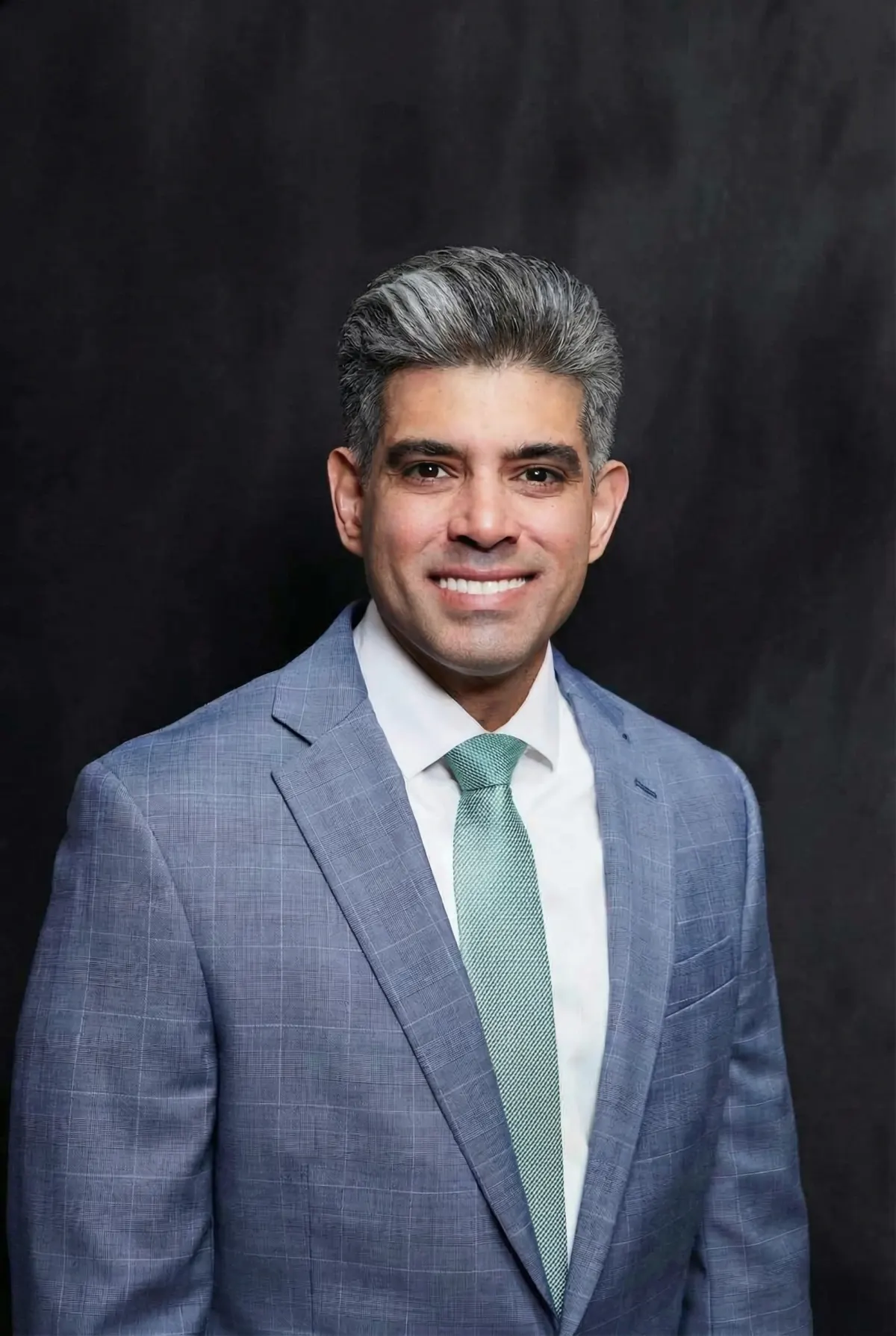
Legally reviewed by Tonmiel Rodriguez, Board Certified Criminal Trial Lawyer — last reviewed June 2026.
I’m Tonmiel Rodriguez, a Board Certified Criminal Trial Lawyer serving Polk, Highlands, and Hardee Counties. The 10th Judicial Circuit’s Veterans Treatment Court is one of the most important programs in the Problem-Solving Courts system. Below is what it is, who qualifies, and how it works.
What Veterans Treatment Court Is — and Why It Exists
Veterans Treatment Court (VTC) is a specialized Problem-Solving Court for military veterans whose criminal charges are connected to service-related conditions: combat PTSD, traumatic brain injury (TBI), substance abuse that developed or worsened during or after service, or other behavioral health conditions rooted in military service.
The data has been clear for years: veterans are overrepresented in the criminal justice system, and their criminal conduct is frequently linked to unaddressed or undertreated service-connected conditions. The VA system exists to treat those conditions. The criminal justice system is not set up to do that. Veterans Treatment Court bridges the two — bringing VA healthcare, veteran peer mentoring, and specialized judicial supervision together into a single court-supervised program.
Florida Statute § 394.47891 specifically authorizes veterans treatment court programs in Florida. This is a dedicated statutory framework, separate from the general drug court authorization under § 397.334, that recognizes the specific needs and circumstances of veteran defendants.
What Service-Connected Issues Qualify
Veterans Treatment Court is designed for veterans whose charges relate to:
- Post-Traumatic Stress Disorder (PTSD) — combat PTSD, military sexual trauma (MST)-related PTSD, and other service-connected trauma responses that affect behavior and judgment
- Traumatic Brain Injury (TBI) — blast-related TBI and other combat or service-related brain injuries that affect impulse control, cognitive function, and behavioral regulation
- Substance abuse from military service — addiction to alcohol or other substances that developed or intensified during service or as a consequence of service-connected trauma
- Combat-related behavioral health conditions — depression, anxiety disorders, and other psychiatric conditions rooted in military service
- Military sexual trauma (MST) — trauma resulting from sexual assault or harassment during military service that produces behavioral health consequences
The common thread is this: the criminal behavior must be connected to something that happened in service. Veterans Treatment Court is not a general-purpose benefit for anyone who has served — it is a specialized program for veterans whose service created the conditions that led to the charge.
Who Qualifies
Eligibility criteria for Veterans Treatment Court in the 10th Circuit:
- Military service: Current or former member of the U.S. Armed Forces, National Guard, or Reserves. Active duty and reserve component veterans may qualify.
- Discharge status: Honorable or general discharge typically required. Other-than-honorable (OTH) discharges are evaluated case-by-case based on their impact on VA benefit eligibility. Dishonorable discharge typically disqualifies.
- Service-connected nexus: The criminal charge must be connected to a service-related condition — PTSD, TBI, substance abuse, behavioral health. The connection must be documented and clinically supported.
- Nonviolent or qualifying charge: Serious violent charges may disqualify. Specific charge eligibility depends on the program and the State Attorney’s review.
- Willingness to participate voluntarily in a multi-phase, supervised treatment program.
- Residency in the 10th Judicial Circuit (Polk, Highlands, or Hardee County).
- VA eligibility — VA healthcare access is often a component of the program, so VA benefit eligibility is considered.
Final admission is determined by the judge based on recommendations from the State Attorney, defense counsel, probation, and the treatment team. Your attorney’s documentation of your service history, service-connected diagnoses, and clinical picture is central to the admission case.
See also: First-Time Offender Defense
VA Healthcare Integration
One of the defining features of Veterans Treatment Court is the integration of VA healthcare services into the treatment plan. Rather than routing the veteran through community-based treatment providers alone, the program coordinates with the VA system — which is designed specifically to treat service-connected conditions.
VA integration means:
- VA mental health services for PTSD, TBI, depression, and other service-connected conditions
- VA substance abuse treatment programs where clinically appropriate
- VA benefits coordination — the program can help veterans access benefits they may not have previously applied for or received
- VA claims support — in some cases, getting a veteran’s service-connected conditions formally recognized through VA can be part of the overall support structure
The interaction between the criminal case and VA benefits is complex. Certain criminal convictions can affect VA benefit eligibility. Your attorney needs to understand this dynamic — not just the criminal defense side — to properly advise you on the full implications of the program and any plea agreement that is part of your program entry.
Veteran-to-Veteran Peer Mentoring
Veterans Treatment Court uses veteran-to-veteran peer mentors — veterans who have been through the program or through comparable recovery pathways, who volunteer to support current participants. This is one of the most meaningful differentiators between VTC and standard drug court.
A veteran mentor who has been in combat, dealt with PTSD, navigated the VA system, and come out the other side provides a form of credible support that no clinician, judge, or attorney can replicate. Peer mentors are not therapists and they are not supervisors. They are fellow veterans who understand the experience from the inside and who have chosen to support others through it.
Program Structure and Phases
Veterans Treatment Court follows the same phased structure as other Problem-Solving Courts, with phases typically spanning 12 to 18 months total. The content of treatment is calibrated to service-connected conditions.
Phase 1 — Assessment, Stabilization, and VA Connection
This is the intensive entry phase, with weekly court appearances and daily color hotline calls to (863) 534-5828. A clinical assessment evaluates service-connected conditions and VA benefit eligibility, treatment begins in coordination with VA services where possible, and a peer mentor is assigned. The entry phase often involves addressing psychiatric stabilization, substance abuse stabilization, or both simultaneously, in coordination with VA providers.
Phase 2 — Treatment Engagement and Skill Rebuilding
Bi-weekly court appearances. Testing continues. PTSD treatment, TBI management, substance abuse treatment, and psychiatric medication management continue. Life skills programming addresses the practical realities of reintegration — employment, housing, relationships, and financial stability. Peer mentoring is active throughout this phase. VA benefits claims, if not already established, are pursued.
Phase 3 — Maintenance, Community Integration, and Graduation
Monthly court appearances. Color hotline continues. Aftercare planning ensures connection to ongoing VA care and community support. Employment or benefits stability is confirmed. Graduation marks formal program completion and triggers the legal outcome specified in the program agreement.
Random Drug Testing — The Color Hotline
Veterans Treatment Court participants call (863) 534-5828 every day. When your assigned color is called, you test that day. Same-day, no exceptions. Positive results and missed tests are program violations. For veterans managing PTSD or TBI, the structure of the testing requirement — its regularity, its non-negotiable nature — is part of the accountability framework that the program is built on.
Treatment Components
Treatment is individualized and coordinated with VA and community providers. Common components include:
- PTSD-specific treatment — evidence-based PTSD therapies including Prolonged Exposure (PE) and Cognitive Processing Therapy (CPT), often through the VA system
- TBI management — neurological evaluation and TBI-specific treatment and accommodations
- Substance abuse treatment — alcohol and drug counseling, medication-assisted treatment (MAT) where appropriate
- Psychiatric medication management — coordinated with VA psychiatry where applicable
- Group therapy — veteran-specific group programming that addresses the unique experiences of military service
- Peer mentoring — veteran-to-veteran mentoring throughout the program
- Reintegration support — employment assistance, housing, financial literacy, and VA benefits navigation
What Successful Completion Can Mean
Graduation from Veterans Treatment Court can result in:
- Charges reduced or dismissed based on the program agreement and the judge’s final order
- Established ongoing VA healthcare connections for continued service-connected treatment
- VA benefits confirmed or expanded through the process
- A documented rehabilitation record relevant to future legal, employment, and benefits proceedings
Frequently Asked Questions
What is Veterans Treatment Court in Polk County?
A specialized Problem-Solving Court for military veterans whose criminal charges relate to service-connected PTSD, TBI, substance abuse, or behavioral health conditions. Integrates VA healthcare, veteran peer mentoring, and court-supervised treatment. Authorized under Florida Statute § 394.47891.
What discharge status is required?
Honorable or general discharge is typically required. OTH discharges are evaluated case-by-case. Dishonorable discharge typically disqualifies. Active duty and reserve may qualify. Your attorney can evaluate discharge status in the context of eligibility.
What law authorizes Veterans Treatment Court in Florida?
Florida Statute § 394.47891 — a dedicated statutory authorization for veterans treatment court programs, separate from the general drug court statute.
How is this different from regular drug court?
VTC integrates VA healthcare, uses veteran-to-veteran peer mentors, and is specifically tailored to combat trauma, TBI, and military service-connected conditions. It is designed for veterans, not the general population, and the treatment approach reflects that specialized focus.
Does a veteran need a lawyer for VTC?
Yes. Defense counsel is a required team member. The interaction between the criminal case, VA benefits, and program terms is complex. You need an attorney who understands all three, not just one.
Related pages: First-Time Offender Defense | All Problem-Solving Courts
How Does Veterans Treatment Court Interact with VA Benefits?
The interaction between Veterans Treatment Court and VA benefits is one of the most important — and most frequently misunderstood — aspects of the program. Getting this right requires an attorney who understands both criminal law and the VA benefits system.
Florida Statute § 394.47891 specifically authorizes Veterans Treatment Court and mandates integration with VA services. This integration is not optional — it is a statutory design element of the program. For veterans with service-connected disability ratings or VA healthcare eligibility, the program coordinates directly with the VA to provide PTSD treatment, TBI management, substance abuse services, and psychiatric care through the VA system rather than routing veterans through community providers who may be less experienced with service-connected conditions.
Service-connected disability ratings: VA disability ratings are not automatically affected by criminal charges or VTC participation. However, certain criminal convictions can affect VA benefit eligibility. A veteran who is convicted of certain crimes may have VA compensation reduced or suspended during incarceration. The interaction between the VTC plea agreement, any conviction that results, and ongoing VA benefit eligibility is a legal question that must be analyzed before entering any plea. Your attorney must understand this interaction.
VA benefits access expansion: For veterans who have not previously applied for VA benefits or who have had claims denied, VTC participation can be an opportunity to pursue or reopen claims with the support of the program team. Some VTC programs have partnerships with Veterans Service Organizations (VSOs) or VA-accredited claims agents who can assist participants with benefits claims as part of the comprehensive support structure.
You served. You deserve a defense that understands that.
Veterans Treatment Court addresses what the standard system doesn’t. Board Certified Criminal Trial Lawyer who knows the 10th Circuit and the VTC program.
Board Certified in Criminal Trial Law by The Florida Bar · Reach Us 24/7 · Hablamos Español
What Evidence-Based PTSD Treatments Are Used in Veterans Treatment Court?
Veterans Treatment Court treatment is coordinated with VA healthcare providers who specialize in combat-related conditions. The VA system employs evidence-based PTSD treatment protocols that differ from the generic trauma therapies available in community settings. For veterans entering VTC, this clinical specificity is one of the program’s most significant advantages over standard drug court or community-based treatment options.
- Prolonged Exposure (PE) therapy: A first-line, evidence-based PTSD treatment in which the veteran gradually confronts trauma-related memories and situations to reduce avoidance and fear responses. Developed specifically for PTSD and validated extensively in veteran populations by VA research.
- Cognitive Processing Therapy (CPT): A cognitive-focused PTSD treatment that addresses trauma-related beliefs and stuck points — distorted thinking patterns that maintain PTSD symptoms. Widely used in VA settings and validated in military veteran populations.
- TBI-specific management: Traumatic brain injury requires neurological evaluation and individualized management — cognitive rehabilitation, medication management for TBI-related symptoms, and accommodations for cognitive processing differences. VA TBI centers provide the specialized assessment and treatment that community providers often cannot.
- Medication-Assisted Treatment (MAT) with VA coordination: For veterans with substance abuse components to their charges, VA-coordinated MAT (Vivitrol, Suboxone, or other approved medications) can be incorporated with VA prescribers rather than community providers.
Military Sexual Trauma (MST) and Veterans Treatment Court
Military sexual trauma — sexual assault or repeated, threatening sexual harassment during military service — is a recognized service-connected condition that can qualify veterans for Veterans Treatment Court. MST produces PTSD, depression, substance abuse, and other behavioral health consequences in both male and female veterans. VA law (38 U.S.C. § 1720D) requires the VA to provide MST-related care to eligible veterans regardless of service-connected disability rating.
For veterans whose criminal charges are connected to MST-related conditions, VTC provides the appropriate treatment framework — VA MST counselors, gender-responsive programming, and trauma-informed judicial supervision — rather than the generic drug court model. MST history is sensitive and legally protected in VA records. Your attorney must handle this aspect of the application with appropriate care, ensuring that VA MST treatment records are accessed only through proper legal channels and that the veteran’s confidentiality interests are protected throughout the process.
Does Veterans Treatment Court require a guilty plea?
Like other Problem-Solving Courts, VTC typically involves a plea as part of the program entry agreement, with sentencing deferred pending program completion. The specific structure depends on whether the program is operating pre-adjudication or post-adjudication in your case. Some VTC programs in Florida operate pre-plea for qualifying defendants, similar to PTI, while others are post-plea. Your attorney must understand the specific structure of the 10th Circuit VTC program and negotiate the entry terms accordingly.
What if I received an Other-Than-Honorable (OTH) discharge?
OTH discharge status is evaluated case-by-case in Veterans Treatment Court eligibility. An OTH discharge affects VA benefit eligibility — the VA applies a “character of discharge” determination that can deny benefits to OTH veterans unless the underlying circumstances justify an upgrade or a favorable determination. However, OTH status does not automatically disqualify a veteran from VTC consideration. The program evaluates the specific circumstances of the discharge, the nature of the service-connected conditions, and the connection between those conditions and the current charges. Veterans with OTH discharges should have their discharge circumstances reviewed by both their defense attorney and a VA-accredited claims agent before concluding that VTC or VA benefits are unavailable.
You Served. You Deserve a Defense That Understands That.
Veterans Treatment Court is a real path to a different outcome — one that addresses what actually happened instead of just processing the charge. I represent veterans in the 10th Judicial Circuit and I know how to make the case for VTC admission.
Board Certified · Reach Us 24/7 · Hablamos Español