
Welcome to the first edition of Florida Courts Watch, our recurring look at recent Florida appellate decisions that matter to people facing criminal charges. Each edition explains what the courts decided and what it changed for defendants here in Central Florida.
Fourth DCA — adults 18 to 20 cannot be barred from carrying concealed firearms
Officers detained Jaylen Eubanks in 2024 and found a concealed firearm during a pat-down. He was 18. The State charged him with carrying a concealed firearm, a third-degree felony under section 790.01, Florida Statutes. This is so because Florida’s permitless-carry law only authorizes a person to carry concealed if he satisfies the license criteria in section 790.06(2) — and subsection (2)(b) requires that he be “21 years of age or older.” Eubanks challenged the age line under the Second Amendment. The trial court rejected the challenge, and he pled no contest while reserving his right to appeal.
On June 17, 2026, the Fourth District Court of Appeal reversed his conviction. Applying the history-and-tradition test from the U.S. Supreme Court’s Bruen decision, the panel held that adults who reached the age of majority hold the same right to public carry as everyone else, and the State produced no historical tradition of stripping that right from 18-to-20-year-olds. Attorney General James Uthmeier agreed with the result and announced the State would not appeal.
Also, one procedural rule makes this decision bigger than one district: absent conflict between districts, a district court of appeal decision binds every trial court in Florida. Pardo v. State, 596 So. 2d 665 (Fla. 1992). That includes the courtrooms in Bartow. We published a full analysis of the ruling and what it meant for pending gun cases.
Florida Supreme Court — no more suppression for knock-and-announce violations
FDLE agents investigating a drug-trafficking organization in Leon County obtained a search warrant for a residence. When they executed it, officers knocked and announced their presence — but announced they had a warrant only seconds before breaching the door with a battering ram. Inside, they found cocaine, more than $23,000 in cash, and two firearms. The trial court found the officers violated section 933.09, Florida Statutes, which requires “due notice of the officer’s authority and purpose” before a forced entry, and it suppressed all of the evidence. The First District affirmed because State v. Cable, 51 So. 3d 434 (Fla. 2010), made suppression the remedy for that violation — but it certified the question to the Florida Supreme Court.
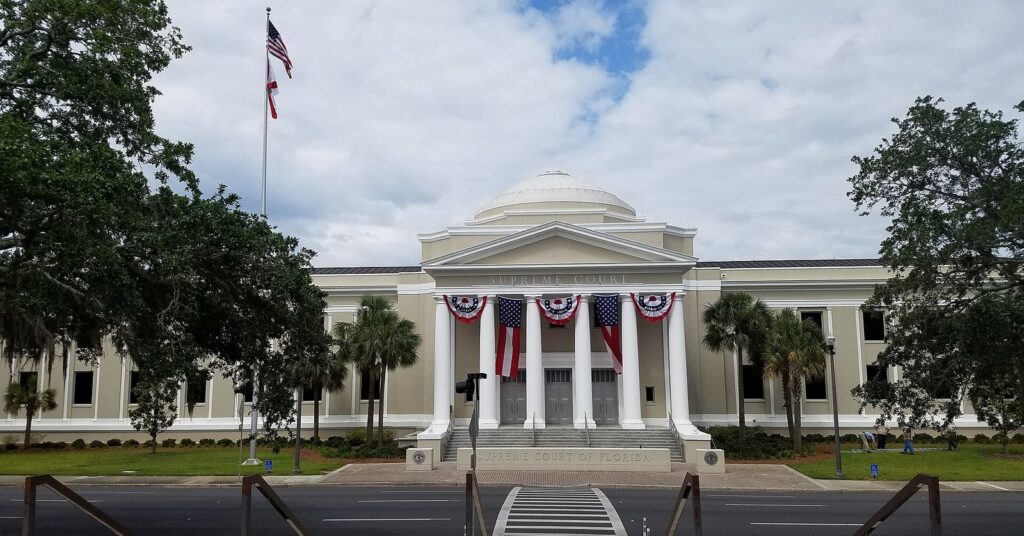
On June 25, 2026, the supreme court answered in State v. Times, No. SC2024-0647: suppression is not the remedy. The court receded from Cable and held that section 933.09 does not authorize courts to exclude evidence obtained under a valid warrant when officers violate the knock-and-announce requirement.
Note what the Times court did not say. It did not say officers may skip the knock-and-announce; the statute still binds them. What changed was the consequence. A defendant attacking a search-warrant raid now has to hit the warrant itself — the probable cause within the four corners of the affidavit — rather than the manner of entry. That door closed.
Sixth DCA — object to the six-person jury now, or lose the issue
Since 1877, Florida has tried non-capital felonies to six-person juries. On June 15, 2026, the U.S. Supreme Court agreed to reconsider that practice: it granted certiorari in Kian v. Florida, No. 25-6623, which asks the Court to overrule Williams v. Florida, 399 U.S. 78 (1970) — the decision that approved Florida’s six-person jury more than fifty years ago.
Two weeks later, the Sixth District Court of Appeal — the court that hears appeals from Polk County — showed what happens when a defendant raises the issue too late. Jordan Rogers appealed his Polk County conviction. After the Kian grant, he asked the Sixth District for supplemental briefing to argue that his six-person jury violated the Sixth Amendment. On June 29, 2026, the court denied the motion. Rogers raised the issue neither at trial nor in his initial brief, and issues not raised in the initial brief are waived or abandoned. The court also called the claim speculative and premature: nobody knows how Kian will come out, and Williams remains binding law until the Supreme Court says otherwise.
This is important because if the Supreme Court overrules Williams, the defendants best positioned to benefit are the ones who put the objection on the record before trial. The objection costs little: a written demand for a 12-person jury, filed and ruled on. Rogers was the warning shot. Preserve the issue in every pending felony case.
Cases & statutes in this edition
- Eubanks v. State (Fla. 4th DCA June 17, 2026) — news coverage at Courthouse News · § 790.01 and § 790.06, Fla. Stat.
- State v. Times, No. SC2024-0647 (Fla. June 25, 2026) — opinion (PDF) · § 933.09, Fla. Stat. · receding from State v. Cable, 51 So. 3d 434 (Fla. 2010)
- Rogers v. State, No. 6D2025-0883 (Fla. 6th DCA June 29, 2026) — opinion at CourtListener
- Kian v. Florida, No. 25-6623 (U.S. — certiorari granted June 15, 2026) — case page at SCOTUSblog
- Williams v. Florida, 399 U.S. 78 (1970) — opinion at CourtListener
- Pardo v. State, 596 So. 2d 665 (Fla. 1992) — opinion at Justia
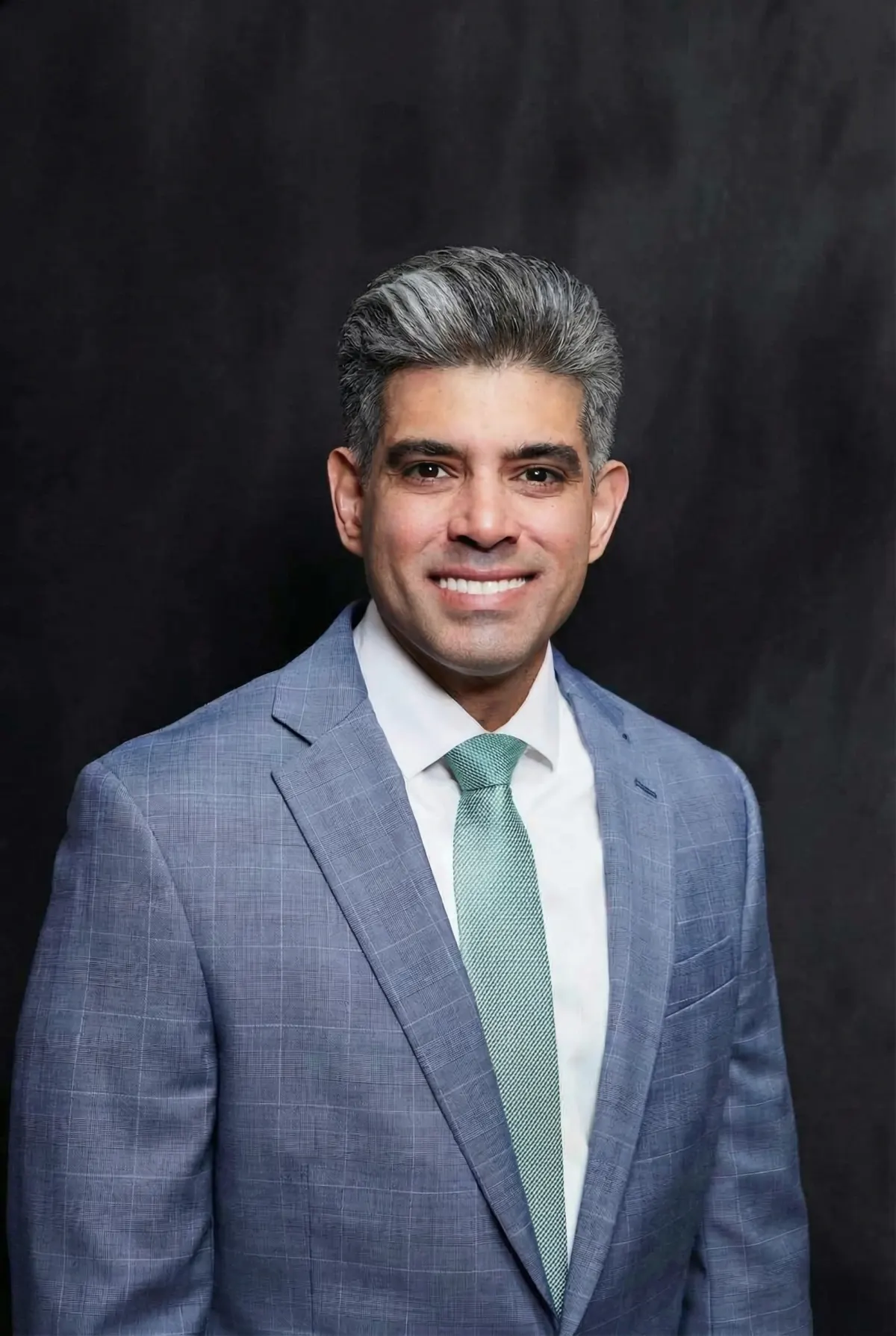
Legally reviewed by Tonmiel Rodriguez · Last reviewed July 2026
Tonmiel Rodriguez is a criminal defense attorney in Bartow, Florida, and is Board Certified in Criminal Trial Law by The Florida Bar. If you have a pending case in Polk County and want to know whether one of these decisions affects it, call The Rodriguez Law Office at (863) 774-4556.