
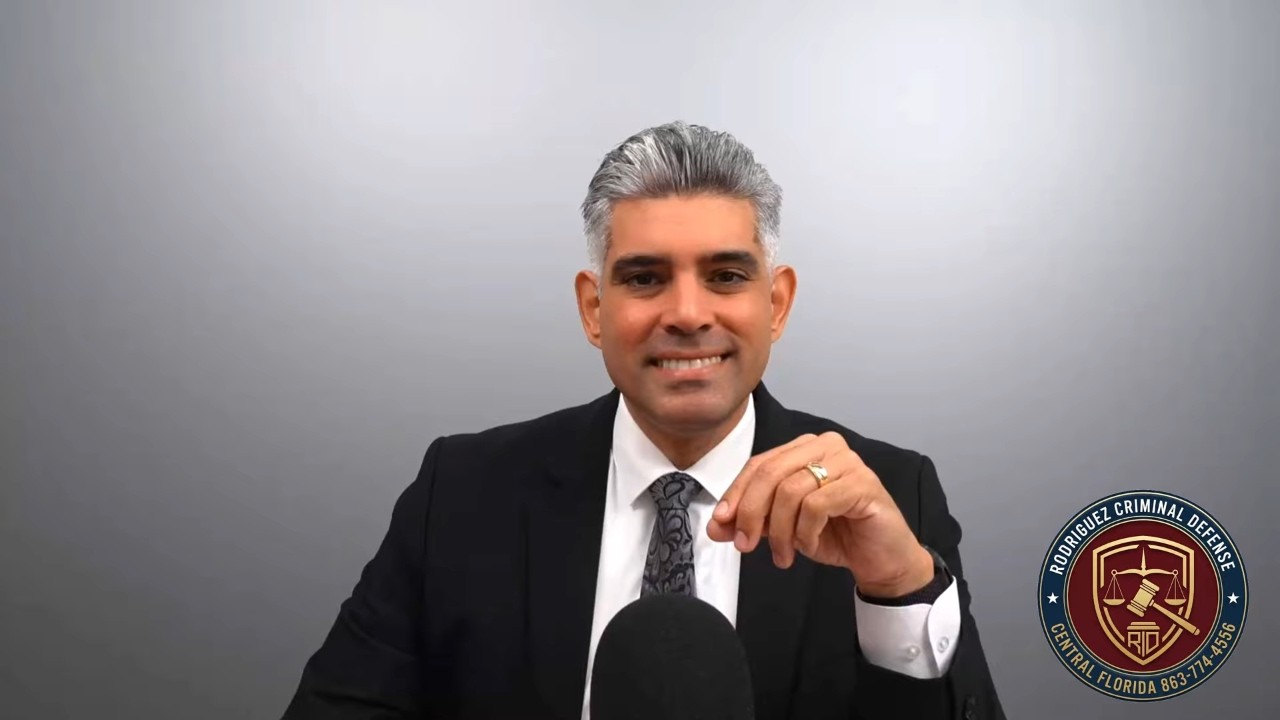
The United States Supreme Court held that using cannabis, by itself, does not take away your Second Amendment right to possess a firearm. Here is what the Court actually said in United States v. Hemani — and the limits it left in place for Florida gun owners.
What did the Supreme Court decide in United States v. Hemani?
On June 18, 2026, the United States Supreme Court decided United States v. Hemani, a case about a federal law many Florida gun owners have never heard of: 18 U.S.C. § 922(g)(3). That statute makes it a federal crime for any person “who is an unlawful user of or addicted to any controlled substance” to possess a firearm. Because cannabis remains a controlled substance under federal law — even in states that allow medical use — the government’s reading of that statute turned every cannabis user who kept a gun at home into a federal criminal. (This is the same rule behind the marijuana question on the federal form every gun buyer completes at a licensed dealer.)
The Supreme Court rejected that reading. The Court held that the government cannot prosecute a person under § 922(g)(3) simply because he possessed a firearm while using cannabis, even when that cannabis use was illegal. Using cannabis, standing alone, did not make the defendant a dangerous person, and it did not erase his Second Amendment rights.
Why did the Court reject the government’s “dangerousness” argument?
The government argued that using an illegal substance was, by itself, proof that a person posed a danger to himself and to society. In other words, the government wanted a per se rule: if you use cannabis, you are dangerous, and the government never has to prove anything more about you.
The Court put it this way: “In saying this much, we do not question that sometimes an individual’s unlawful use of marijuana (or any other controlled substance) may render him a danger to others. But, again, the government disclaims the need to show anything like that in this case. Instead, it asks us to conclude that anyone who regularly uses marijuana is categorically violent and dangerous without any further showing.”
This is important because it tells you exactly how far the decision reaches. The Court did not hold that drug users can never be prosecuted for possessing firearms. It rejected the automatic rule: the government cannot treat cannabis use, without more, as proof of dangerousness. And the Court expressly declined to decide whether a prosecution supported by individualized proof — actual evidence that a particular person’s drug use made him a danger to himself or others — could still go forward under § 922(g)(3). It left that question open.
Also, note what the Court did not say. It did not strike § 922(g)(3) from the United States Code. The statute remains federal law, and the Court did not decide whether a prosecution built on real, individualized evidence of dangerousness could succeed — it refused only to presume dangerousness from cannabis use alone.
What does the Eleventh Circuit’s decision mean for Florida medical marijuana patients?
Hemani followed an important decision from the federal appeals court that covers Florida. On August 20, 2025, the United States Court of Appeals for the Eleventh Circuit decided Florida Commissioner of Agriculture v. Attorney General of the United States. In that case, Florida medical cannabis cardholders challenged the federal laws and regulations that barred them from purchasing firearms because they used cannabis.
The Eleventh Circuit sided with the patients at that stage of the case. It concluded that the federal government “failed to meet its burden of establishing that the challenged laws and regulations as applied to medical marijuana users are consistent with this Nation’s history and tradition of firearm regulation.”
This matters in Florida more than almost anywhere else. Fla. Stat. § 381.986 created a large, regulated medical marijuana program, and hundreds of thousands of Floridians participate in it lawfully under state law. Yet federal law still treated every one of those patients as an “unlawful user” of a controlled substance who could not buy or possess a gun. Read together, Hemani and the Eleventh Circuit’s decision rejected the idea that cannabis use, by itself, automatically disqualifies a person from owning a gun.
Does this mean cannabis users in Florida can now carry guns without any risk?
The answer is “no.” These decisions narrowed how one federal statute can be enforced; they did not make it legal to mix cannabis and firearms.
First, 18 U.S.C. § 922(g)(3) remains in effect. Hemani stopped prosecutions built on cannabis use alone. Whether the government can still prosecute a gun owner using individualized evidence that his drug use made him dangerous is a question the Court expressly left open.
Second, Florida law still criminalizes cannabis outside the medical program. Under Fla. Stat. § 893.13, possession of 20 grams or less of cannabis is a first-degree misdemeanor, and possession of more than 20 grams is a third-degree felony. This is important because a felony conviction brings Fla. Stat. § 790.23 into play — possession of a firearm by a convicted felon — one of the most aggressively prosecuted gun charges in Florida.
Third, Florida’s license-free concealed carry under Fla. Stat. § 790.01 applies only to people who are otherwise eligible to possess a firearm. A drug conviction — state or federal — can make you ineligible.
Also, this area of law kept moving. Hemani was decided in June 2026, and courts were still working out its limits when the video above was recorded. The rule that applies to your situation depends on the current state of the case law, not on a headline.
What should you do if you face a gun or drug charge in Polk County?
Talk to a criminal defense lawyer before you talk to investigators. Cases that mix firearms and cannabis sit at the intersection of federal and state law, and the rules changed twice in less than a year. An argument that did not exist before Hemani may now be available in a § 922(g)(3) case, and whether the government can actually prove dangerousness — or any other element — is a question your lawyer should press from the start.
Key moments
- 0:35 — The “dangerousness” argument the Court rejected
- 1:17 — The Court’s own words in United States v. Hemani
- 2:18 — Medical marijuana patients and the Eleventh Circuit ruling
- 3:14 — The bottom line for gun owners
- 18 U.S.C. § 922(g)(3) — firearm possession by unlawful users of controlled substances
- Fla. Stat. § 381.986 — medical use of marijuana
- Fla. Stat. § 893.13 — drug offenses, including cannabis possession
- Fla. Stat. § 790.01 — carrying concealed weapons and firearms
- Fla. Stat. § 790.23 — possession of a firearm by a convicted felon
- Weapons and gun charges defense — The Rodriguez Law Office
Full video transcript
You do not give up your Second Amendment right to possess firearms even if you smoke cannabis illegally. So says the United States Supreme Court in its most recent decision, United States v. Hemani, decided June 18 of 2026.
The United States Supreme Court said that the federal government cannot prosecute individuals under 18 U.S.C. § 922 — and by implication under any other federal law, for that matter — simply because they happen to possess a firearm while using cannabis, even if that cannabis use is illegal. The use of cannabis in and of itself does not make that person a dangerous individual.
The government tried to argue that the mere use of an illegal substance — in this case, cannabis — was proof that this person posed a danger to himself and to society. The Supreme Court rejected that argument and said that cannabis use in and of itself did not deprive a person of his Second Amendment right. So they could not be prosecuted for possessing a firearm while using an illegal substance, cannabis in this instance.
Now, it is important to note that the United States Supreme Court did say — and I will read from the opinion: “In saying this much, we do not question that sometimes an individual’s unlawful use of cannabis or other controlled substance may render him a danger to others. But again, the government disclaims the need to show anything like that in this case. Instead, it asks us to conclude that anyone who regularly uses cannabis is categorically violent and dangerous without any further showing.”
So this shows that the Supreme Court’s decision is really focused on this per se rule that the government was trying to suggest existed or should be applied — that simply by using cannabis you are dangerous, without the government needing to show that your cannabis use made you violent, or made you risky in some way to yourself or to others.
This decision comes on the heels of another important opinion, this time by the Eleventh Circuit of the United States: Florida Commissioner of Agriculture v. Attorney General of the United States, decided August 20 of 2025, where Florida medical cannabis holders challenged the federal laws and regulations prohibiting them from purchasing firearms because they were cannabis users. In this opinion, the Eleventh Circuit said the following: “We conclude that the federal government has failed to meet its burden of establishing that the challenged laws and regulations, as applied to medical cannabis users, are consistent with this nation’s history and tradition of firearms regulation. Thus, the appellants have plausibly alleged that the challenged statutes and regulations violate the Second Amendment as applied to them.”
So there you have it, folks. The bottom line: you do not give up your Second Amendment rights simply because you decide to use cannabis. Thanks for watching, and I will see you in the next one.
Legally reviewed by Tonmiel Rodriguez · Last reviewed July 2026
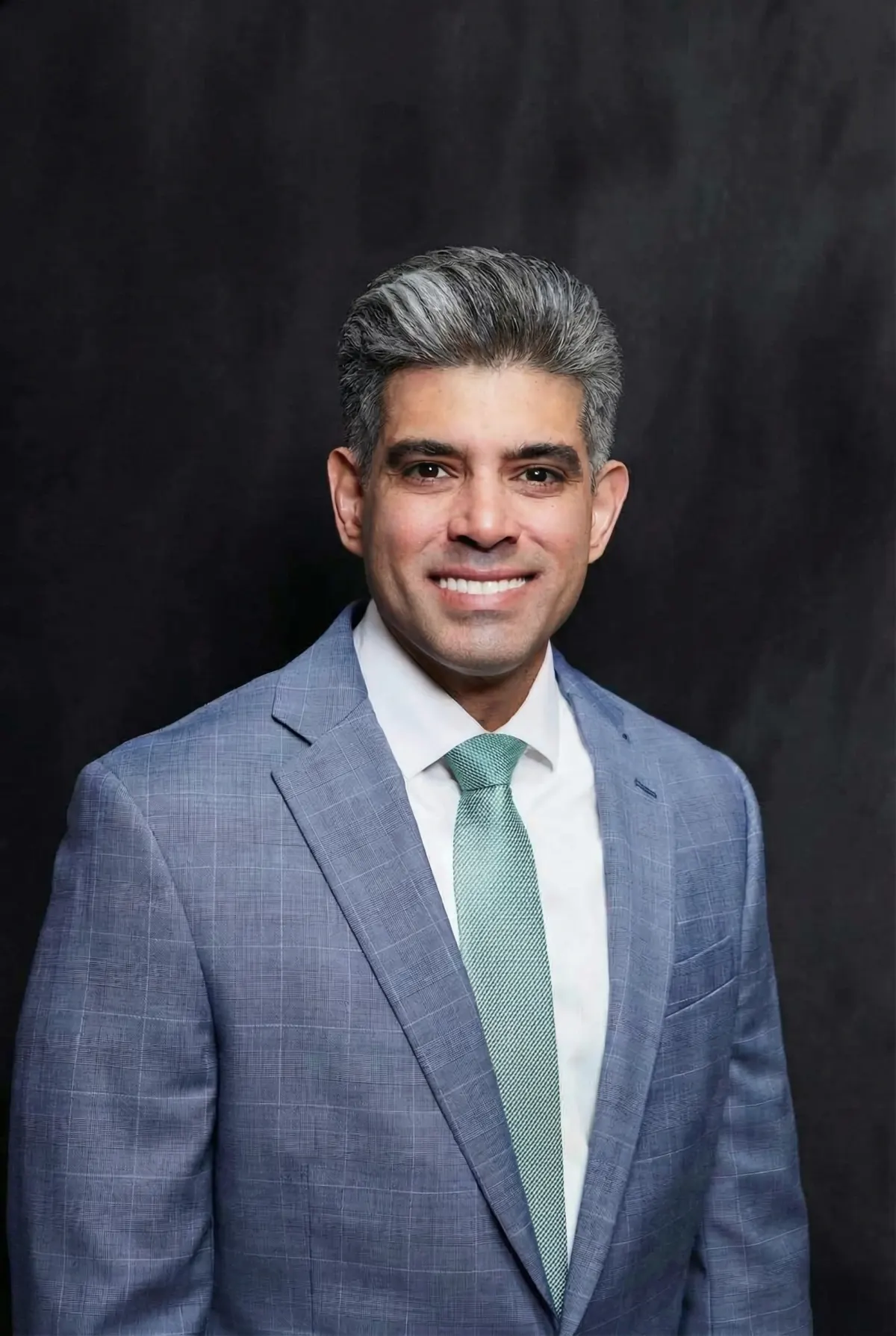
Tonmiel Rodriguez is a criminal defense attorney in Bartow, Florida, and is Board Certified in Criminal Trial Law by The Florida Bar. He defends people charged with firearm, drug, and other criminal offenses in Polk County and throughout Central Florida. If you or a family member faces a weapons or cannabis charge, call The Rodriguez Law Office at (863) 774-4556 to discuss your case.