
In 2024, Florida enacted Section 943.0595, Florida Statutes, creating a new automatic sealing mechanism for certain criminal history records. Unlike standard sealing under Section 943.059, this law requires no petition, no court proceeding, and no FDLE application fee. FDLE identifies qualifying records through database review and seals them automatically. Not all records qualify; the law targets specific older non-violent records meeting defined eligibility criteria. Before you invest time and money in court proceedings, the threshold question is whether your record qualifies for automatic sealing or whether you still need to pursue the standard court-ordered pathway.
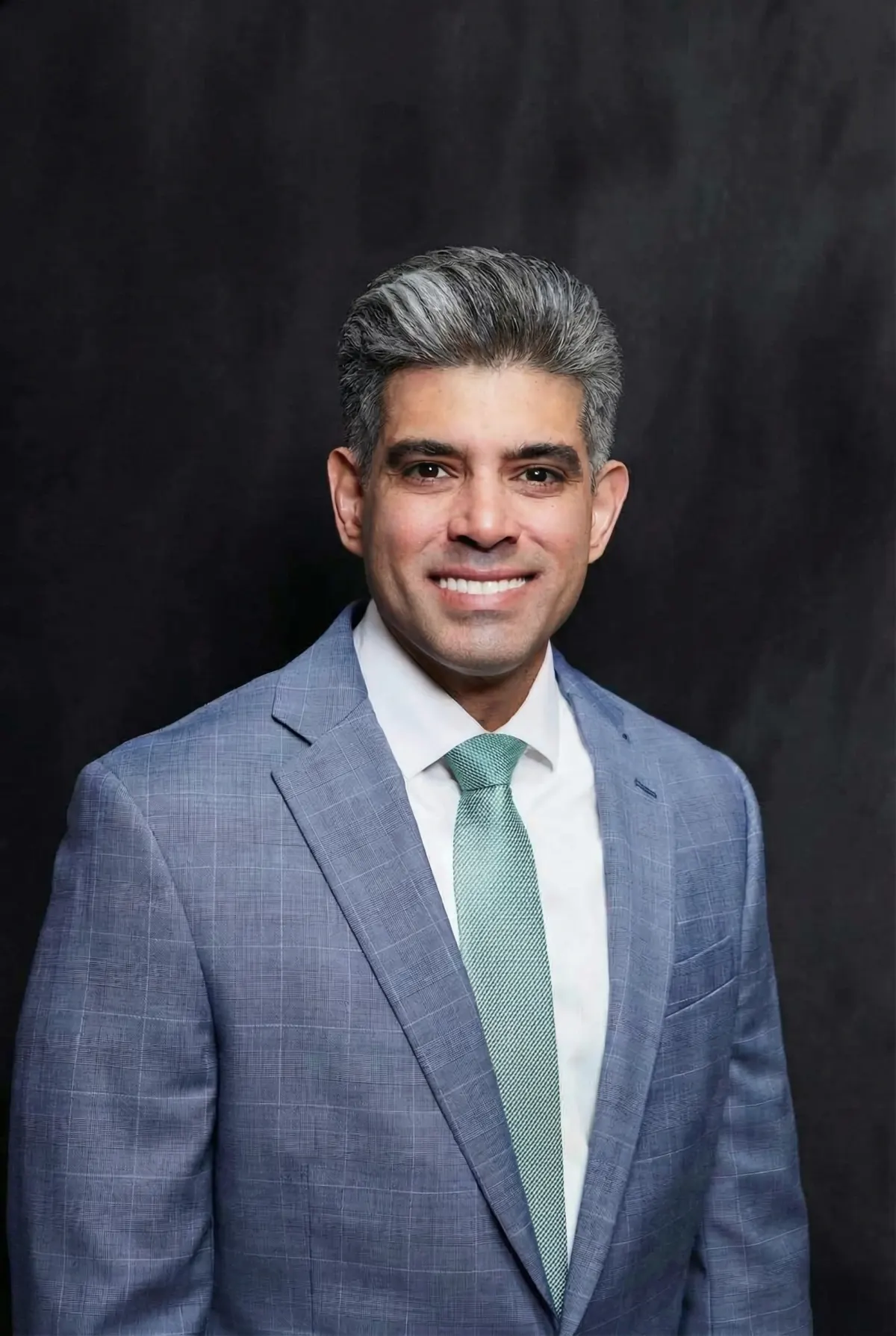
Legally reviewed by Tonmiel Rodriguez, Board Certified Criminal Trial Lawyer — last reviewed June 2026.
Ready to Clear Your Record?
Board Certified in Criminal Trial Law by The Florida Bar · Reach Us 24/7 · Hablamos Español
What Is Automatic Sealing Under Section 943.0595?
Section 943.0595 was enacted as part of Florida’s 2024 legislative session and creates a systemic automatic sealing program administered by FDLE. Rather than requiring individuals to identify themselves as potentially eligible, gather documentation, apply for a Certificate of Eligibility, and file court petitions, the automatic sealing law places the identification burden on FDLE itself. The agency reviews its criminal history database, identifies records that meet the statutory criteria, and seals those records without any action required from the individual.
The public policy rationale: many people with old, non-serious records that would qualify for sealing never pursue the remedy because they are unaware of their eligibility, lack the resources to navigate the court process, or have simply moved on without knowing the record is still visible. The 2024 automatic sealing law addresses this gap by making the most straightforward, clearly eligible cases happen without requiring individual action. It is a reform designed to reduce the burden of old non-serious records on people who have been living clean lives for years.
What Records Qualify for Automatic Sealing Under Section 943.0595?
The automatic sealing law establishes specific eligibility criteria that must all be met for a record to qualify:
- Qualifying offense category: The underlying offense must be among the categories eligible for automatic sealing. The statute generally targets non-violent, lower-level offenses. Violent felonies, sexual offenses, domestic violence offenses, drug trafficking, and other serious crimes are excluded from automatic sealing. The specific list of qualifying offense types is defined in Section 943.0595.
- Sufficient time elapsed: A defined period of time must have passed since the arrest or case closure before the record qualifies. This waiting period ensures the statute operates on genuinely historical records, not recent ones.
- No subsequent disqualifying criminal history: The person must not have subsequent criminal convictions or other disqualifying history. Active or recent criminal history disqualifies a record from automatic sealing regardless of how old the underlying offense is.
- No permanent disqualifying offense type: Certain offense categories are permanently excluded from automatic sealing regardless of age or subsequent history.
Find Out If You Qualify
Board Certified · Reach Us 24/7 · Hablamos Español
How Does FDLE Process Automatic Sealing?
FDLE conducts periodic reviews of its criminal history database to identify records that meet the Section 943.0595 criteria. When a qualifying record is identified, FDLE processes the sealing automatically — updating the database to reflect the sealed status and notifying the relevant agencies. The individual whose record is sealed is notified by FDLE when the automatic sealing is completed.
If you believe your record should qualify for automatic sealing under Section 943.0595 but you have not received notification and the record is still appearing in background checks, you may contact FDLE’s Criminal History Records section to inquire about the status. An attorney can also evaluate whether the specific statutory criteria are met and, if FDLE has not acted, advise on whether to wait for the automatic process or pursue the standard court-ordered sealing pathway instead — which you control directly and do not need to wait on.
How Does Automatic Sealing Compare to Court-Ordered Sealing?
| Feature | Automatic Sealing (Sec. 943.0595) | Court-Ordered Sealing (Sec. 943.059) |
|---|---|---|
| Petition required? | No | Yes |
| FDLE Certificate of Eligibility? | No | Yes |
| $75 FDLE filing fee? | No | Yes |
| Court hearing required? | No | Sometimes |
| Who identifies the record? | FDLE through database review | Individual petitioner |
| Same protections? | Yes | Yes |
| Timeline control? | No — FDLE-dependent | Yes — petitioner controls |
Does Automatic Sealing Provide the Same Protection as Court-Ordered Sealing?
Yes. Records sealed under Section 943.0595 receive the same legal protections as records sealed through the standard court-ordered pathway under Section 943.059. The record is restricted from public access and will not appear on standard commercial background checks. The same statutory exceptions enumerated in Section 943.059(1)(c) — law enforcement access, the Florida Bar, Department of Education for instructional positions, health care licensing, and others — apply equally to automatically sealed records. The protection is equivalent; the path to get there differs.
What If Your Record Does Not Qualify for Automatic Sealing?
If your record does not meet the Section 943.0595 automatic sealing criteria — because of offense type, recency, subsequent history, or other factors — the standard court-ordered sealing pathway under Section 943.059 may still be available if the other eligibility requirements are met. The two pathways operate independently. Being ineligible for automatic sealing does not preclude court-ordered sealing, and the court-ordered pathway has the advantage that you control the timeline — you do not wait for FDLE to identify your record in a periodic review. If you qualify for standard sealing and need the record cleared by a specific date (before a job application, a licensing deadline, or another deadline), the court-ordered pathway is the more reliable option for timing.
What Are the Practical Benefits of the 2024 Automatic Sealing Law?
The 2024 automatic sealing law represents a significant expansion of relief availability for Floridians with old non-serious criminal records. For people who qualified for sealing but never pursued it — because they did not know about the remedy, could not afford the process, or never thought to look into it — the law provides a no-action-required path to record clearing. FDLE does the identification work. The individual simply receives notification that their record has been sealed.
This matters particularly for people who have been living with old minor records on their background checks for years without taking steps to clear them — not because they chose to live with the record, but because they did not know they could do something about it. The 2024 law is designed to reach that population. If you think your record might qualify, it costs nothing to inquire — contact FDLE or consult an attorney about whether your specific record falls within the statute’s coverage.
One Conversation Can Change Everything
Attorney Tonmiel Rodriguez is Board Certified in Criminal Trial Law. Less than 1 percent of Florida lawyers hold that credential.
Board Certified · Reach Us 24/7 · Hablamos Español
Automatic Sealing vs. Court-Ordered Sealing — Making the Right Choice
Many people who qualify for automatic sealing under Section 943.0595 also independently qualify for standard court-ordered sealing under Section 943.059. The practical choice depends on your timeline and circumstances.
Automatic sealing requires no action, no fees, no petition, and no attorney. FDLE identifies qualifying records and seals them without any individual application. The trade-off is timing uncertainty — FDLE does not guarantee when any specific record will be processed. If you have an upcoming deadline — a job application, license renewal, housing application — you cannot wait on an uncertain FDLE timeline.
Court-ordered sealing under Section 943.059 costs money and requires filing a petition and serving the State Attorney. The significant advantage is control: you initiate the process when you choose, and the timeline is predictable. If you need the record cleared by a specific date, the court-ordered pathway lets you plan backwards and execute accordingly. An attorney can assess which approach fits your situation and timeline in a single consultation.
How to Confirm Whether Your Record Has Been Automatically Sealed
Request a certified copy of your Florida criminal history directly from FDLE to check the current status of your records. If automatic sealing has processed your record, the entry will no longer appear or will be flagged as sealed. If the record still appears as an active, unsealed entry, the automatic process has not yet run for your specific record. This check is the right first step before taking any other action. If FDLE already reflects a clean or sealed record, you may not need to do anything further. If not, you can decide whether to wait for the automatic process or initiate the court-ordered pathway.
Does Automatic Sealing Eliminate the Need for Standard Court-Ordered Sealing?
No. Section 943.0595 covers only a defined subset of qualifying records — records meeting specific offense-type, age, and clean-record criteria. Many records that qualify for standard court-ordered sealing under Section 943.059 may not meet the Section 943.0595 criteria. If your record does not qualify for automatic sealing, the standard court-ordered pathway remains fully available. The two statutes are complementary: Section 943.0595 extends relief to people who qualify but would not have petitioned on their own; Section 943.059 remains the affirmative remedy for everyone who meets its independent criteria regardless of whether automatic sealing applies to their record.
Frequently Asked Questions — Automatic Sealing Under Florida’s 2024 Law
What is automatic sealing under Florida’s 2024 law?
Automatic sealing under Section 943.0595 is a 2024 Florida law requiring FDLE to identify certain eligible criminal history records and seal them automatically without requiring a petition or application fee. The law targets specific categories of older non-violent records meeting defined eligibility criteria.
Do I need to apply for automatic sealing?
No. Automatic sealing under Section 943.0595 is FDLE-initiated. You do not need to file a petition or pay a fee. If you believe your record qualifies but has not been sealed, contact FDLE or an attorney to check the status.
Does automatic sealing protect me from background checks?
Yes. Records sealed under Section 943.0595 receive the same protections as court-ordered sealed records — restricted from public access and not visible on standard commercial background checks. The same statutory exceptions that apply to Section 943.059 also apply to automatically sealed records.
What offenses are excluded from automatic sealing in Florida?
Violent felonies, sexual offenses, domestic violence, drug trafficking, and other serious crimes are excluded. The statute targets non-violent, older records. The specific qualifying and disqualifying offense categories are defined in Section 943.0595.
What if I do not want to wait for automatic sealing?
If you qualify for standard court-ordered sealing under Section 943.059 and need the record cleared by a specific date, the court-ordered pathway gives you timeline control. You do not have to wait for FDLE’s automatic review cycle — you can petition the court now and control when the process starts and progresses.
Can an automatically sealed record later be expunged?
Potentially yes. If sufficient time passes after automatic sealing and no new criminal history is incurred, the sealed record may later qualify for expungement under Section 943.0585 subject to all standard expungement criteria. Consult an attorney to evaluate your specific circumstances at that time.
For questions about whether your record qualifies for automatic sealing under Section 943.0595 or whether the standard court-ordered pathway is the right approach, contact Board Certified Criminal Trial Lawyer Tonmiel Rodriguez. Serving Polk, Highlands, Hardee, Osceola, and Hillsborough Counties. Call (863) 774-4556. Reach Us 24/7. Hablamos Español.
To discuss whether your record qualifies for automatic sealing under Section 943.0595 or whether the standard court-ordered sealing pathway is the right approach for your situation and timeline, contact Board Certified Criminal Trial Lawyer Tonmiel Rodriguez at (863) 774-4556. Our office serves Polk, Highlands, and Hardee Counties in Florida’s 10th Judicial Circuit, and we are reach us 24/7 to answer eligibility questions. Initial consultations are free of charge. Hablamos Español.
- Florida Record Sealing and Expungement Overview
- Court-Ordered Sealing Under Section 943.059
- FDLE Certificate of Eligibility Step by Step
- Sealing vs. Expungement Key Differences
The 2024 automatic sealing law represents one of Florida’s most significant expansions of record relief in recent history. By removing the burden of petition from qualifying individuals and placing the identification responsibility on FDLE, Section 943.0595 extends the promise of record clearing to people who might never have navigated the traditional court process on their own. Whether you need to take action or simply wait for FDLE to process your record automatically depends on your specific circumstances — but in either case, the path to a cleaner record exists. Attorney Rodriguez helps clients in Polk, Highlands, Hardee, Osceola, and Hillsborough Counties understand exactly where they stand and what their options are. Call (863) 774-4556 today.