
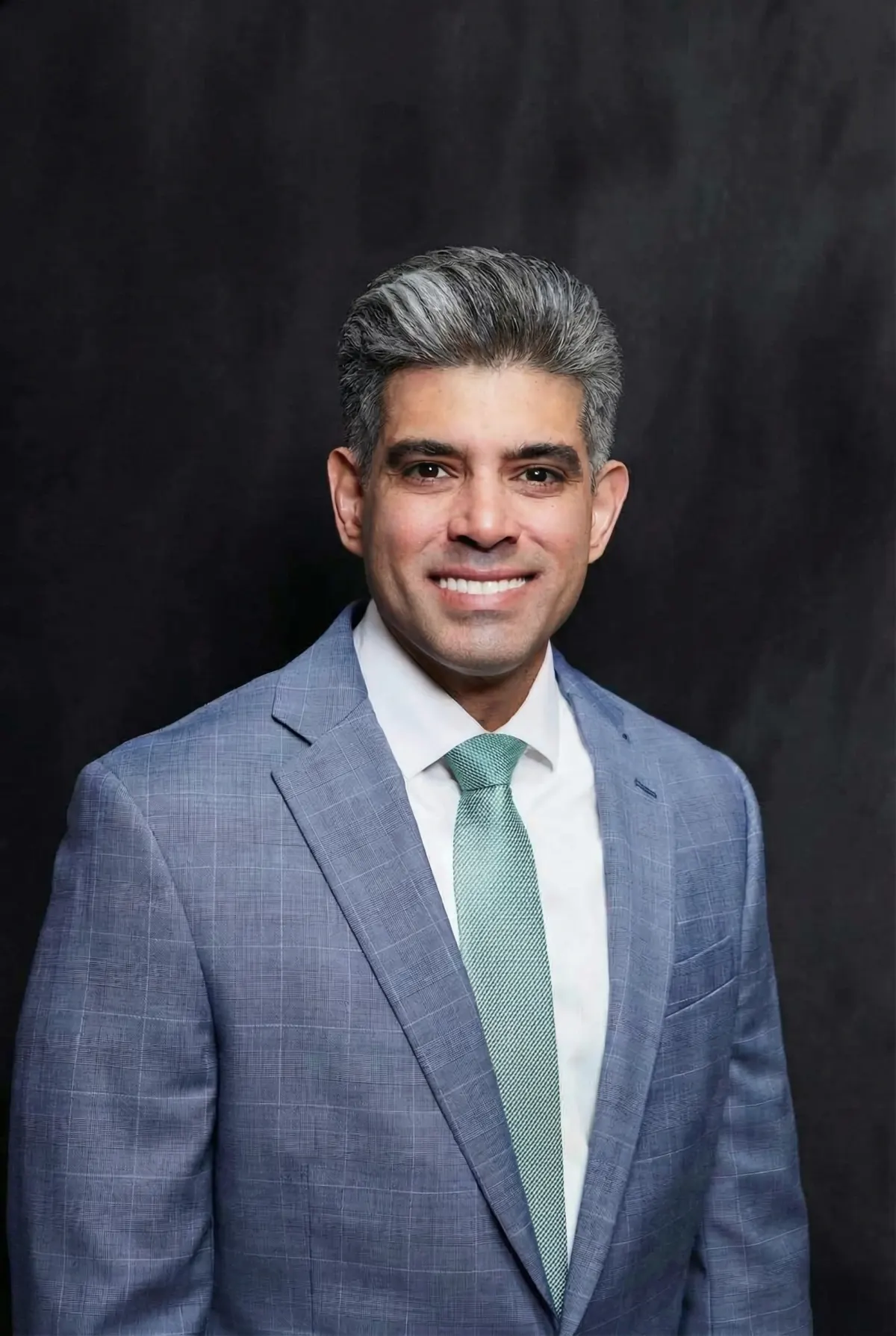
Legally reviewed by Tonmiel Rodriguez, Board Certified Criminal Trial Lawyer — last reviewed June 2026.
Vehicular homicide is one of the most devastating charges a person can face. Someone is dead, and the prosecutor is arguing you killed them by the way you drove. You may not have intended to hurt anyone. You may have been distracted, impaired, or simply driving recklessly in a moment that ended in tragedy. None of that changes the fact that you are now facing a second-degree felony — potentially with up to 15 years in Florida State Prison — and your life will never be the same regardless of what happens next. Attorney Tonmiel Rodriguez is a Board Certified Criminal Trial Lawyer who has defended vehicular homicide cases in Polk County and across the 10th Judicial Circuit. These cases require a lawyer who understands accident reconstruction, forensic pathology, and the specific legal standards that define the crime.
Charged With Vehicular Homicide? Call Now — Reach Us 24/7
Attorney Tonmiel Rodriguez is a Board Certified Criminal Trial Lawyer with over 75 jury trials. He defends vehicular homicide and DUI manslaughter cases throughout Polk, Highlands, Hardee, Osceola, and Hillsborough Counties. Hablamos Español.
Board Certified in Criminal Trial Law by The Florida Bar · Reach Us 24/7 · Hablamos Español
Florida Vehicular Homicide — § 782.071
Florida Statute § 782.071 defines vehicular homicide as the killing of a human being, or the killing of an unborn child by injury to the mother, caused by the operation of a motor vehicle by another in a reckless manner likely to cause the death of, or great bodily harm to, another. The critical elements are:
- Reckless operation — The driving must have been reckless, meaning the driver consciously disregarded a substantial and unjustifiable risk
- Causation — The reckless driving must have caused the death, not merely preceded it
- Death of a human being — Including an unborn child where the mother was injured
Vehicular homicide is a second-degree felony under § 782.071(1)(a), punishable by up to 15 years in Florida State Prison and a $10,000 fine. However, if the driver knew or should have known the accident occurred and failed to stop, render aid, or give information as required by § 316.027, the charge elevates to a first-degree felony under § 782.071(1)(b), carrying up to 30 years in prison.
| Charge | Statute | Degree | Max Prison | Max Fine |
|---|---|---|---|---|
| Vehicular homicide | § 782.071(1)(a) | 2nd Degree Felony | 15 years | $10,000 |
| Vehicular homicide + leaving scene | § 782.071(1)(b) | 1st Degree Felony | 30 years | $10,000 |
| DUI manslaughter (DUI + death) | § 316.193(3)(c)3 | 2nd Degree Felony | 15 years (4-yr mandatory) | $10,000 |
| DUI manslaughter + leaving scene | § 316.193(3)(c)3 | 1st Degree Felony | 30 years | $10,000 |
Vehicular Homicide vs. DUI Manslaughter — Critical Distinction
Vehicular homicide under § 782.071 and DUI manslaughter under § 316.193(3)(c)3 are different charges with different elements, but they are often charged together when the driver may have been impaired. Vehicular homicide requires proof of reckless driving — conscious disregard of a known risk. DUI manslaughter requires proof of impairment by alcohol or controlled substances and causation. A driver can be charged with vehicular homicide without any evidence of impairment, based solely on the manner of driving. A driver can be charged with DUI manslaughter without evidence of reckless driving beyond the impairment itself.
When both charges are filed, the prosecution is pursuing two separate theories of the same death. The defense strategy must address both simultaneously, because the elements, witnesses, and experts can all differ between the two charges. An attorney who understands how the two charges interact — and how to attack the State’s theory under each — is essential when both counts are pending.
Florida courts have addressed the double jeopardy implications of convicting on both vehicular homicide and DUI manslaughter for the same death. The analysis turns on whether each offense requires proof of an element the other does not. This is an area where careful legal analysis, not assumption, determines the outcome.
What Does “Reckless” Mean Under § 782.071?
Recklessness, in Florida law, means consciously disregarding a substantial and unjustifiable risk. It is more than negligence — which is the failure to exercise reasonable care. Negligence is what an objectively reasonable person would not do. Recklessness is knowing that a risk exists and choosing to disregard it anyway.
In vehicular homicide cases, prosecutors argue recklessness from facts like: driving at extreme speeds; running multiple red lights; weaving through traffic; prior incidents or warnings about the dangerous driving; cell phone use immediately before the crash; evidence of road rage behavior; and alcohol or drug impairment. Each of these factual scenarios requires different defensive analysis. Speed alone may support recklessness; distraction may not meet the conscious disregard standard. The distinction matters enormously at trial.
Expert accident reconstruction testimony is the battleground where recklessness is contested. The State will present a reconstructionist who opines that the manner of driving constituted reckless operation. The defense, with its own expert, challenges the methodology, the measurements, the assumptions, and ultimately the conclusion. In high-profile vehicular homicide cases in Polk County, this expert battle is often the heart of the trial.
How Is Vehicular Homicide Investigated in Polk County?
Vehicular homicide investigations in Polk County are handled by the Florida Highway Patrol, the Polk County Sheriff’s Office, or the Bartow Police Department depending on where the crash occurred. Within hours of the accident, law enforcement deploys crash reconstruction units that document skid marks, point of impact, vehicle positions, and roadway conditions. They photograph and measure everything. They often retain an expert crash reconstructionist before you have even spoken to a lawyer.
Investigators also pull data from vehicle event data recorders — commonly called “black boxes” — which can record speed, braking, throttle position, and seatbelt status in the seconds before a crash. Cell phone records are subpoenaed to determine if the driver was texting or talking. Toxicology samples are drawn at the hospital or by warrant if the driver refuses. Surveillance cameras at nearby businesses and traffic cameras are pulled immediately. By the time you are formally charged, the State may have had weeks or months to build its case while you had nothing.
This asymmetry is why early defense involvement matters. Evidence degrades, witnesses forget, and opportunities to conduct independent investigation close. An attorney retained in the first days after a crash — before charges are filed — can commission independent accident reconstruction, preserve critical evidence, and challenge the State’s theory before it hardens.
What Does the Defense Investigate in a Vehicular Homicide Case?
A thorough vehicular homicide defense challenges every link in the prosecution’s chain. The defense investigates: Was the driving actually reckless — or was it momentary inattention, a medical event, a road hazard, or mechanical failure? Was the defendant’s driving actually the cause of death, or did the victim’s own conduct contribute? Were traffic controls functioning properly? Were the roadway conditions properly maintained? Was the vehicle mechanically sound?
Expert witnesses are central to vehicular homicide defense. A qualified accident reconstruction expert can review the State’s reconstruction and identify errors in methodology, measurement, or assumptions. A toxicologist can challenge blood alcohol or drug test results. A medical expert can address whether the manner of death is fully consistent with the prosecution’s theory. Winning these cases turns on the forensic evidence, not just courtroom argument.
Attorney Rodriguez has defended vehicular homicide and DUI manslaughter cases in the 10th Judicial Circuit. He understands how Polk County prosecutors approach these cases, how local judges manage the evidentiary hearings, and what it takes to challenge the State’s technical evidence effectively at trial.
Sentencing Considerations in Florida Vehicular Homicide Cases
Florida’s Criminal Punishment Code scores vehicular homicide under the felony sentencing guidelines. The victim injury points for a death are substantial. A first-time offender charged with a single count of vehicular homicide may score below the mandatory prison threshold — creating sentencing options — while someone with a prior record or multiple victims may score well above it, triggering a guidelines prison recommendation that the judge cannot easily deviate from without findings.
The distinction between second-degree (§ 782.071(1)(a)) and first-degree (§ 782.071(1)(b)) vehicular homicide is enormous. The leaving-the-scene enhancement adds 15 years to the maximum penalty. It also changes the scoring. A charge that was scored as a second-degree felony and might have had options below the prison threshold becomes a first-degree felony with a dramatically different sentencing picture.
Plea negotiations in vehicular homicide cases often involve contested sentencing hearings, character evidence, victim impact statements, and detailed arguments about the scoring under the CPC. An experienced criminal defense attorney who has handled sentencing hearings in Polk County circuit court is not a luxury — it is a necessity.
Don’t Wait — Every Hour Counts After a Fatal Crash
The decisions you make in the first 48 hours after a fatal crash can shape the entire trajectory of your defense. Call Attorney Rodriguez now for a direct, honest assessment of your case. Board Certified. Hablamos Español. Reach Us 24/7.
Board Certified · Reach Us 24/7 · Hablamos Español
Civil vs. Criminal Cases After a Fatal Crash
A vehicular homicide charge is a criminal prosecution brought by the State. It is entirely separate from any civil wrongful death lawsuit that the victim’s family might file against you. The criminal case and the civil case can proceed simultaneously, and evidence developed in one can affect the other. Statements you make — to law enforcement, to insurers, or anywhere on social media — can be used against you in both proceedings.
If you have been involved in a fatal crash, you should not speak to law enforcement without an attorney present, and you should not speak to insurance adjusters about fault or liability without understanding how those statements could affect your criminal case. The Fifth Amendment right to remain silent applies in the criminal context, and protecting yourself in the criminal case takes priority over resolving the civil claim quickly.
Why Choose Attorney Rodriguez for a Vehicular Homicide Defense?
Attorney Tonmiel Rodriguez is a Board Certified Criminal Trial Lawyer by The Florida Bar — a credential held by less than 1 percent of Florida attorneys. Board certification in criminal trial law requires demonstrated trial experience including jury trials, peer evaluation by judges and opposing counsel, and passage of a rigorous written examination. It is not a marketing designation. It is a verifiable indicator of trial experience and legal knowledge in the specific field where your life is at stake.
Attorney Rodriguez has tried over 75 jury trials in Florida courts. He practices from an office at 690 E Davidson St, Bartow — less than one mile from the Polk County Courthouse where vehicular homicide cases are tried. He knows the prosecutors, the judges, and the evidentiary landscape of the 10th Judicial Circuit. Criminal defense is not a sideline — it is the exclusive focus of this practice. If you have been charged with vehicular homicide or DUI manslaughter in Polk County, Highlands County, or Hardee County, call now.
Related Practice Areas
If you are facing vehicular homicide charges in Polk County, you may also want to review information about DUI defense, serious traffic offenses, and felony criminal defense in the 10th Judicial Circuit. Each of these pages addresses related charges and defenses that frequently arise in serious motor vehicle cases.
Your Defense Starts With One Call
The Rodriguez Law Office handles vehicular homicide and serious felony charges throughout Polk, Highlands, Hardee, Osceola, and Hillsborough Counties. Board Certified Criminal Trial Lawyer. 75+ jury trials. Hablamos Español. Reach Us 24/7. Located less than one mile from the Polk County Courthouse.
Board Certified · Reach Us 24/7 · Hablamos Español
Practical Steps After a Fatal Crash Arrest in Polk County
If you have been arrested or expect to be charged with vehicular homicide following a crash in Polk County, there are practical steps that matter immediately. First, invoke your right to remain silent and do not make statements to law enforcement without an attorney. Everything you say at the scene, at the hospital, or in a post-crash interview becomes evidence. The impulse to explain yourself is understandable — and it is almost always harmful to the defense. Exercise your right to remain silent and ask for an attorney.
Second, document everything you remember about the crash while the details are fresh — road conditions, traffic patterns, other drivers, weather, any mechanical issues with the vehicle — and provide that information only to your attorney, who can use it for investigation without creating a statement that can be used against you. Third, preserve physical evidence. Do not repair the vehicle, alter any clothing, or dispose of anything connected to the incident. Your attorney may need to conduct an independent inspection of the vehicle. Fourth, gather contact information for any witnesses who may have observed the crash or the conditions leading up to it. Witnesses disappear quickly; contact information obtained at the scene may be the only way to locate them later.
Fifth, contact an attorney. Not in a few days — now. The time between a fatal crash and formal charges is a critical investigative window. Evidence is being collected. Witnesses are being interviewed. Theories are being formed. Your attorney needs to be in that window with you, not catching up after the State has built its case unopposed.
Vehicular Homicide and the Victim’s Family — What Defendants Need to Know
Vehicular homicide cases carry an emotional weight that most other charges do not. A family has lost someone they loved. The community attention can be significant, particularly if the victim was young or the circumstances were newsworthy. Defendants in these cases sometimes feel the need to express remorse publicly, reach out to the victim’s family, or make statements to the media. All of these impulses — however understandable — can damage the criminal defense.
Any statement expressing remorse, accepting responsibility, or apologizing can be used as evidence of consciousness of guilt. Reaching out to the victim’s family, however well-intentioned, can be misinterpreted, resented, or used against you. Statements to media or on social media are unprotected. The only safe communication during a pending criminal case is through your attorney, and only after advice about what to say and what not to say. This is not about being cold or uncaring about the tragedy — it is about protecting your legal rights while the case is pending.
Attorney Rodriguez handles these sensitive dynamics with his clients in every vehicular homicide case. He understands the human dimension of these cases and can advise on how to navigate the personal and public aspects while protecting the defense. The Rodriguez Law Office is located at 690 E Davidson St, Bartow, FL — call (863) 774-4556 for a direct consultation.