
Candidates for governor are arguing about Flock cameras. Current Florida law already regulates them — but it does not require a warrant, and the constitutional ground is moving faster than the Legislature.
License-plate-reader cameras have become an unlikely campaign issue in Florida’s 2026 governor’s race. As WLRN reported in early August, Republican frontrunner Byron Donalds has called for a full pause on Flock camera contracts, citing constitutional concerns. Republican candidate James Fishback has made opposition to the cameras a signature theme, telling an Orlando rally that Flock must be blocked in Florida now. On the Democratic side, frontrunner David Jolly has proposed keeping the cameras but requiring police to get a search warrant before accessing the data and barring its use for immigration enforcement.
The debate did not come from nowhere. WLRN’s reporting catalogued the incidents that pushed the issue into the race: a Monroe County sheriff’s deputy arrested after allegedly using the system to track a woman he met on a television production set, officers caught using slurs in their database search entries, and schools using plate data to check student residency. Hundreds of the cameras now operate across Miami-Dade, Broward, and Palm Beach counties alone, and civil liberties groups argue the network tracks protesters and innocent drivers alike.
What Florida law requires today
Campaign proposals are not law. Whatever the candidates promise, nothing about plate-reader surveillance changes unless the Legislature enacts it — so it is worth being precise about what current law does and does not require.
Florida regulates automated license plate recognition systems in sections 316.0777 and 316.0778, Florida Statutes (2025). Three features matter most. First, confidentiality: the images, the data, and the personal identifying information generated by the systems are confidential and exempt from public records disclosure, though criminal justice agencies may share them in the performance of official duties. Second, placement: cameras installed in State Highway System rights-of-way require a law enforcement request tied to active criminal intelligence or investigative information, and the systems may not be used to issue traffic citations. Third, retention: records may not be kept beyond the State’s maximum retention schedule, which caps license-plate-recognition records at no more than three anniversary years.
Here is what the statutes do not contain: a warrant requirement, a judicial-approval step, or any express rule excluding evidence when an agency breaks the rules. An officer today can run a historical query on your plate — where your car has been photographed, when, and in which direction it was traveling — without ever presenting anything to a judge. That is the gap Jolly’s warrant proposal targets and the reason the pause proposals resonate with voters across party lines.
The Constitution is moving faster than the Legislature
While the campaign argues, the courts are already at work. In Carpenter v. United States (2018), the U.S. Supreme Court held that government access to historical cell-phone location records is a Fourth Amendment search, because an aggregated record of a person’s movements reveals far more than any single public observation. In June 2026, Chatrie v. United States extended the principle, holding that the government conducts a search when it obtains a person’s location information from a technology company even for a limited period — rejecting the argument that a short window of surveillance is constitutionally free. Florida’s own constitution ties our courts to those decisions: article I, section 12 requires Florida search-and-seizure law to conform to the U.S. Supreme Court’s Fourth Amendment rulings.
No controlling decision has yet held that a routine Flock query is a search, and some federal courts have upheld small, sparse camera systems. But dense, shared, cross-jurisdiction networks that can reconstruct weeks of a driver’s movements present a very different record, and those challenges are working their way up now. In other words: whichever way the election goes, the constitutional question is coming.
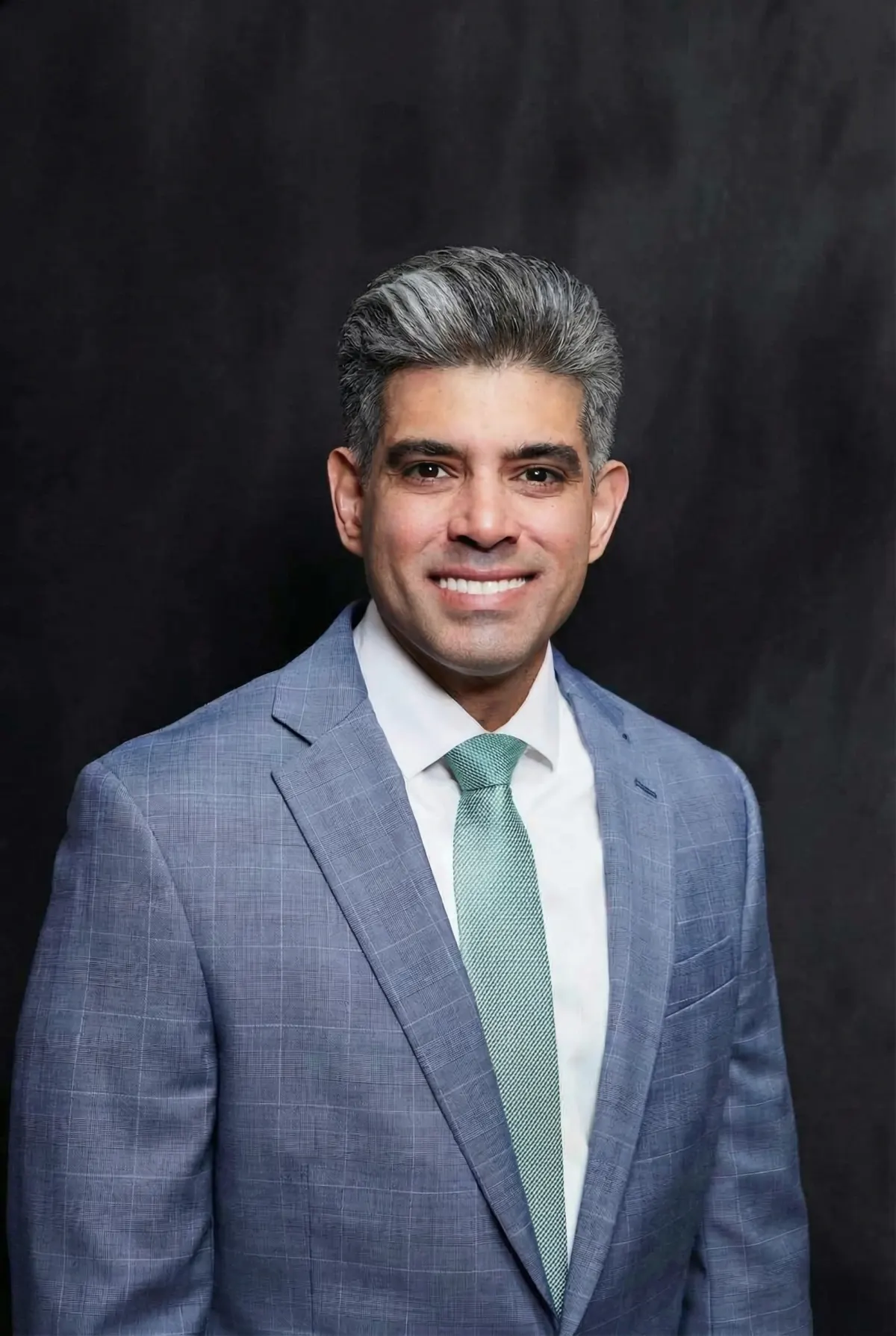
For anyone charged today, the politics matter less than the practice. If a plate-reader query led police to your car, your name, or your door, that query has an audit trail, a stated purpose, and legal limits — and each one can be examined. There is hope: Board Certified Criminal Trial Lawyer Tonmiel Rodriguez stays on top of exactly this fast-moving area of law.
Statutes in this article
- Fla. Stat. § 316.0777 — automated license plate recognition systems — confidentiality and use
- Fla. Stat. § 316.0778 — staged automated license plate recognition systems — retention schedule
Legally reviewed by Tonmiel Rodriguez · Last reviewed August 2026
Tonmiel Rodriguez is a criminal defense attorney in Bartow, Florida. If license-plate-reader evidence is part of a case against you in Polk, Highlands, or Hardee County, call The Rodriguez Law Office at (863) 774-4556.